
On this page
For a SaaS founder, the ability to ship features weekly is a competitive advantage. However, that same speed often becomes the marketing team's biggest liability. When the product evolves faster than the content team can write, a phenomenon known as 'stale content debt' begins to accumulate. Every UI update, feature pivot, or pricing change can render dozens of existing blog posts and tutorials obsolete, creating a growing gap between what the software does and what the blog claims.
Traditional content workflows are fundamentally mismatched with agile software development. While developers push code in minutes, a traditional manual content pipeline—spanning research, drafting, editing, and SEO optimization—often takes days or weeks. This delay results in documentation gaps, frustrated users, and declining search visibility as engines prioritize fresh, accurate information.
Autonomous blogging represents a shift in this paradigm. By leveraging a centralized product knowledge base, SaaS companies can transform their content lifecycle into a self-sustaining loop. This approach ensures that the blog remains a reliable source of truth and a driver for organic growth without requiring the founder to step away from building the product.
The Challenge of Stale Content Debt in High-Growth SaaS
Stale content debt is the cumulative cost of maintaining outdated information on a public-facing blog. For a project management SaaS or a complex developer tool, even a minor change to the navigation menu can make a 'How-To' guide confusing for new users. When a founder is focused on reaching product-market fit or scaling a user base, the blog is often the first thing to fall behind.
This isn't just a matter of editorial pride; it has tangible business consequences. InnovateCo, a hypothetical project management SaaS, serves as a representative example of this struggle. As they added new Gantt chart capabilities and task prioritization logic, their blog remained stuck in the previous year's version of the software. This led to a measurable friction point: users landing on highly-ranked SEO pages were greeted with screenshots and instructions that no longer matched the live app.
Increased Support Burden
When marketing content is outdated, the customer success and support teams pay the price. Users looking for guidance will naturally search the blog or documentation first. If they find conflicting information, their next step is to open a support ticket. This diverts technical resources away from core development and forces support staff to act as a manual bridge between the product and the marketing assets.
SEO and Freshness Decay
Search engine algorithms, particularly Google’s, place a high premium on content accuracy and recent updates. If a tutorial describes a feature set that has been deprecated, the high bounce rates and low engagement signals will eventually tank the page's ranking. For SaaS companies relying on organic traffic to fuel their top-of-funnel growth, losing visibility on key 'how-to' keywords can be catastrophic.
The Solution: Autonomous Workflows and the Knowledge Engine
To solve the content speed bottleneck, SaaS founders are moving toward autonomous blogging platforms like Blogged. The goal is to treat content like code: something that can be version-controlled, updated via a single source of truth, and deployed with minimal manual intervention.
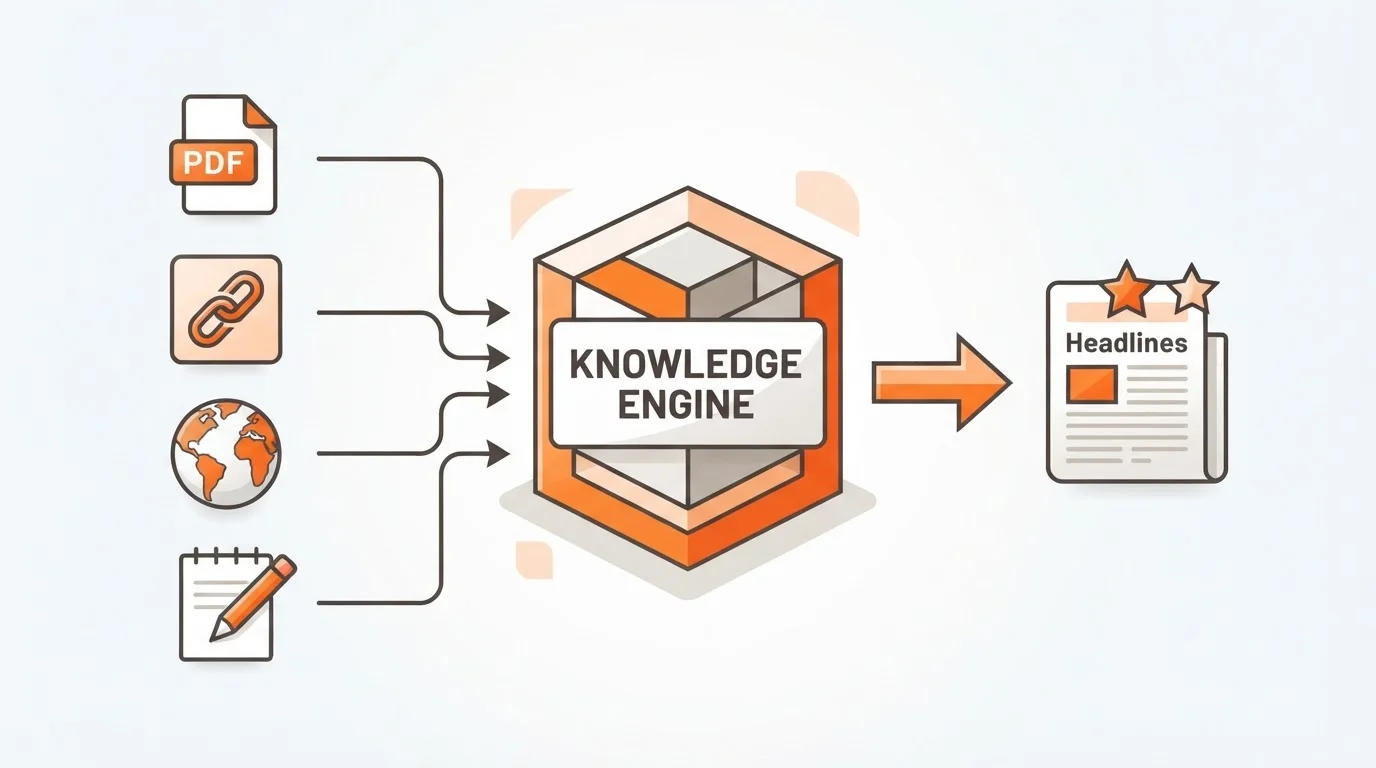
The core of this strategy is the Knowledge Engine. Instead of asking an AI or a writer to guess how a feature works, the founder provides the system with direct product truths. Blogged’s Knowledge Engine allows users to input information through public product sources, uploaded technical documents, pasted links, or written product descriptions. This ensures the content is grounded in the actual functionality of the software, not generic industry filler.
Synchronizing Product and Content
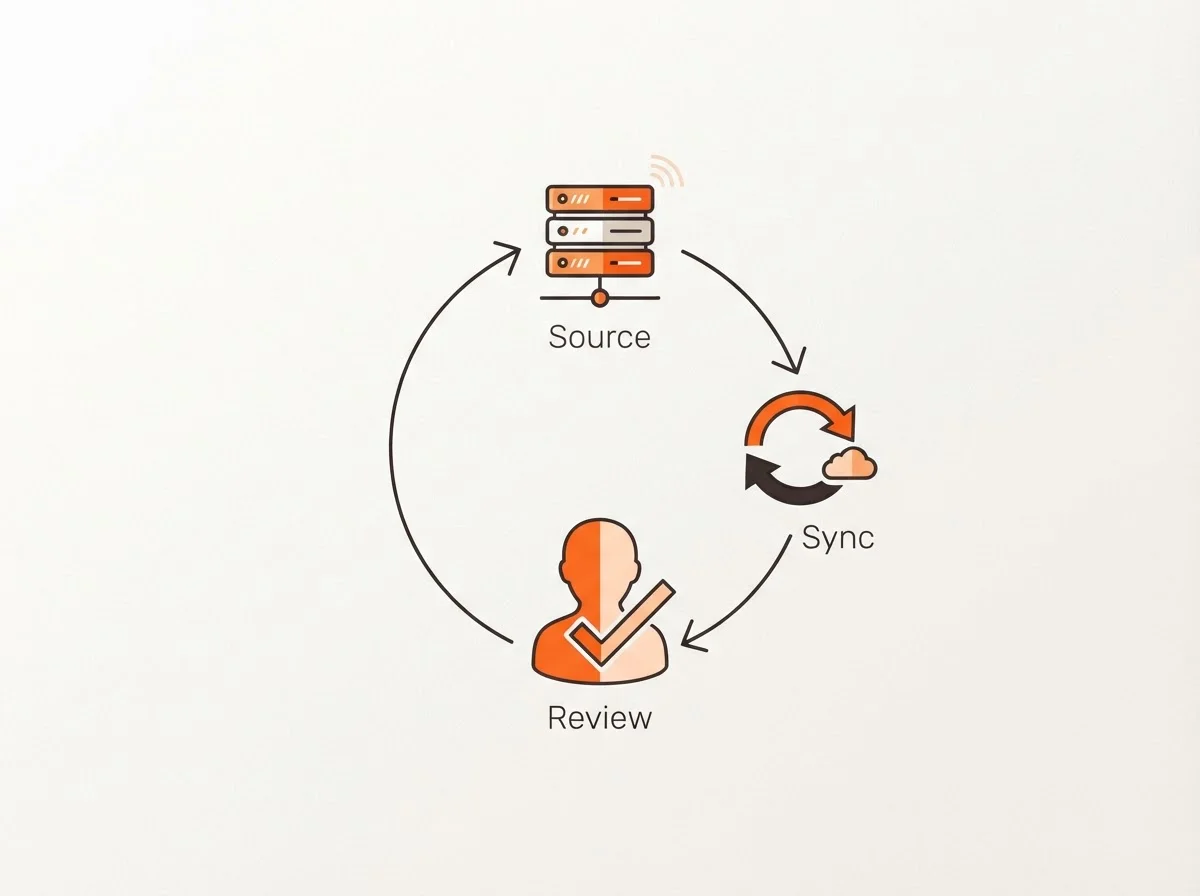
When a product change occurs, the workflow shifts from 're-writing 10 articles' to 'updating the Knowledge Engine once.' The autonomous system identifies which existing blog posts are affected by the new data and facilitates updates. This allows the marketing speed to match the sprint cycle, ensuring that 'product-led' content remains accurate in real-time.
Implementing Autonomous Content Across the Tech Stack
For an autonomous system to be effective, it must integrate seamlessly with the existing SaaS infrastructure. A common barrier for founders is the fear of adding another disconnected tool to their workflow. However, modern autonomous platforms are designed to connect directly to the CMS, acting as a backend engine for content generation and management.
WordPress and Ghost Integrations
For companies using standard CMS platforms, the integration process is straightforward. Blogged’s WordPress integration uses a dedicated publishing plugin and an application password, allowing verified articles to be delivered directly to a self-hosted site. Similarly, the Ghost integration allows founders to create a custom integration in Ghost, copy the Admin API key, and verify the connection in Blogged. This setup allows Ghost to handle the reader experience while the autonomous platform manages the research, creation, and review cycle.
Tracking Conversions in Webflow and Next.js
For more bespoke or headless setups like Webflow and Next.js, the focus shifts toward data and attribution. These integrations allow founders to collect consented visits and track configured conversions for every verified article. This means the founder isn't just publishing content; they are monitoring the exact ROI of their autonomous strategy directly within their dashboard.
The Impact of GEO (Generative Engine Optimization)
Beyond traditional SEO, SaaS founders must now contend with AI-driven discovery. Tools like Perplexity, ChatGPT, and Google’s Search Generative Experience (SGE) aggregate data from across the web to answer user queries. This is known as Generative Engine Optimization (GEO).
If your blog contains conflicting or outdated data about your feature sets, AI discovery engines may misrepresent your product to potential buyers. An autonomous platform that consistently refreshes content based on the latest product documentation ensures that these AI models are being 'fed' the most accurate and up-to-date data. In the GEO era, accuracy is the new ranking signal.
A Blueprint for Autonomous Content Success
Founders looking to implement this model can follow a structured implementation strategy to ensure their content scales alongside their users. The key is to move from a 'Draft-Edit-Publish' loop to a 'Source-Review-Sync' model.
- Seed the Knowledge Engine: Start by uploading your technical documentation, internal wikis, and latest feature release notes. This forms the foundation of all future content.
- Automate Research with Autopilot: Use the Autopilot feature to handle keyword research and topic planning based on your product’s core value propositions. This ensures you are targeting high-intent traffic without manual brainstorming.
- Human-in-the-Loop Review: While the system handles the heavy lifting of drafting and SEO optimization, founders or marketing leads should utilize the review process. Standard plans include 1 revision per article, allowing for brand voice adjustments while the technical details remain verified by the Knowledge Engine.
- Scale with Unlimited Seats: As the team grows, leverage the unlimited team seats available on Blogged plans. This allows product managers and marketers to collaborate on the review and approval process without incurring additional software costs.
Frequently Asked Questions About Autonomous Blogging
Q: How does autonomous blogging differ from generic AI writing tools?
Generic AI tools require manual prompts for every post and often hallucinate details. An autonomous platform like Blogged uses a Knowledge Engine as a 'source of truth' to ensure every article is technically accurate to your specific SaaS product.
Q: Does the founder still need to manage the blog?
The platform handles research, planning, writing, and publishing on autopilot. The founder's role shifts to periodically updating the Knowledge Engine as the product evolves and performing a quick final review of generated drafts.
Q: Can I keep my existing WordPress or Ghost design?
Yes. The autonomous platform handles the content generation and optimization, but it publishes directly to your existing CMS, meaning your reader experience and brand design remain unchanged.
Q: How does this help with AI search tools?
By keeping your content fresh and accurate through autonomous updates, you ensure that Generative Engine Optimization (GEO) tools have the correct data to recommend your product to users.
Get practical updates on saas content update speed case study
Receive new articles and practical insights by email.
In the fast-paced SaaS market, your blog should be a reflection of your current product, not a lagging indicator of where you were six months ago. By adopting an autonomous approach, you remove the content bottleneck that stalls organic growth and diverts focus from development.
Platforms like Blogged allow founders to transform their product knowledge into a self-sustaining marketing engine. Whether you are using WordPress, Ghost, or a custom Next.js build, the shift to autonomous blogging ensures that your marketing assets stay as agile as your code, driving growth through consistent, accurate, and optimized product-led storytelling.