
On this page
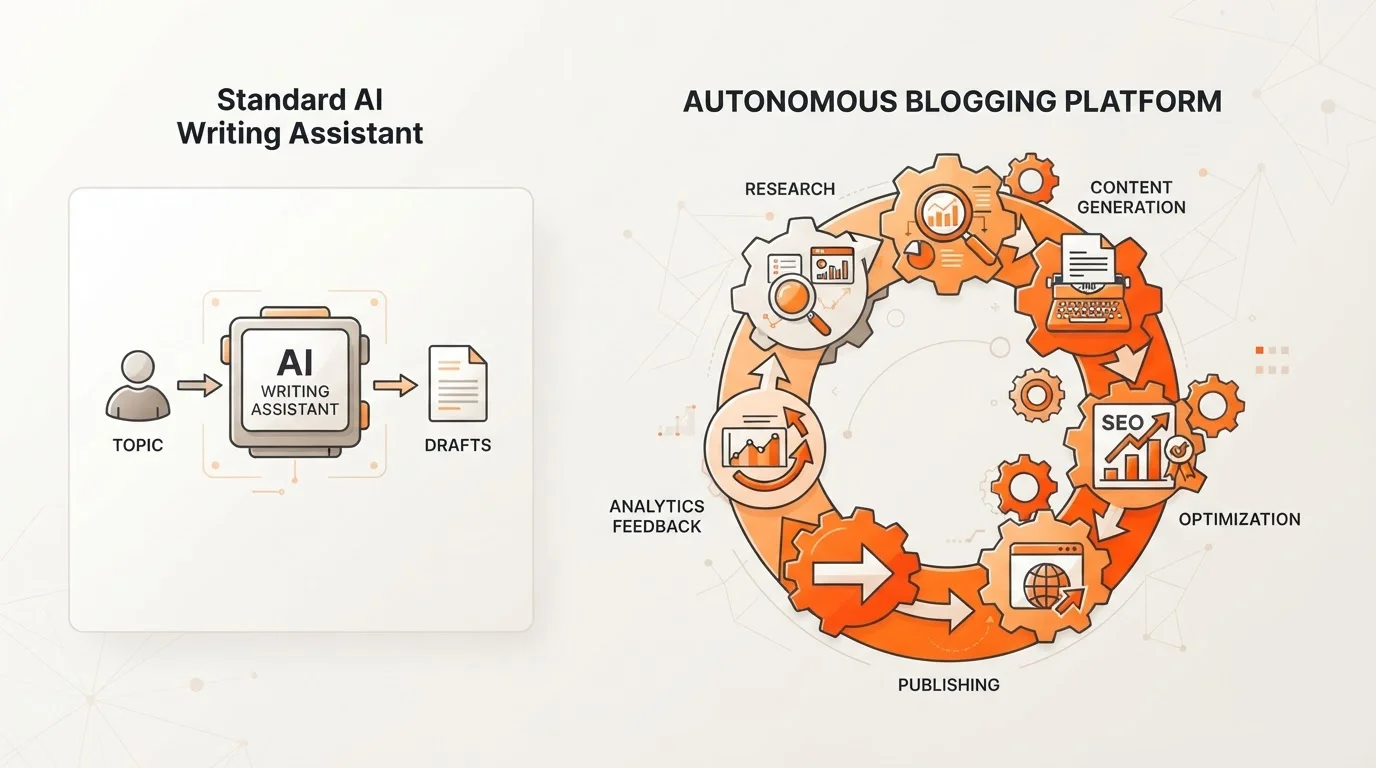
The primary hurdle for SaaS founders looking to scale organic growth is not a lack of expertise, but a lack of time. While standard AI writing assistants generate drafts, an autonomous blogging platform manages the entire content lifecycle—from deep product research and internal linking to SEO/GEO optimization and direct publishing. For founders, the goal is to transform unique product knowledge into discoverable assets without sacrificing engineering resources to manual content management.
Autonomous platforms solve this by employing AI systems that function as dedicated researchers, editors, and SEO managers. By automating the repetitive segments of the content pipeline, you can maintain a high-quality publishing cadence even during intensive development sprints. This guide evaluates five leading solutions—Blogged, Byword, Brandwell, Jasper, and Surfer AI—to help you determine which level of automation best aligns with your growth stage and technical requirements.
The Evolution from AI Writing to Content Autonomy
Traditional content workflows are often fragmented and labor-intensive. A founder might use one tool for keyword research, another for drafting, and a third for SEO analysis, before manually formatting the result in a CMS like Ghost or WordPress. An autonomous blogging platform eliminates these technical hand-offs by creating a unified engine that understands your product and handles the distribution automatically.
These platforms are specifically designed to address SaaS growth challenges. They don't just produce text; they connect product facts to search intent. In the current search environment, simple keyword density is insufficient. Modern SaaS teams are now prioritizing Generative Engine Optimization (GEO), ensuring their content is structured enough to be cited by AI search engines like Perplexity and ChatGPT. A truly autonomous system should be able to take a single product update or a strategic direction and transform it into a live, interlinked asset with minimal human oversight.
1. Blogged: The Autonomous SEO & GEO Engine for SaaS
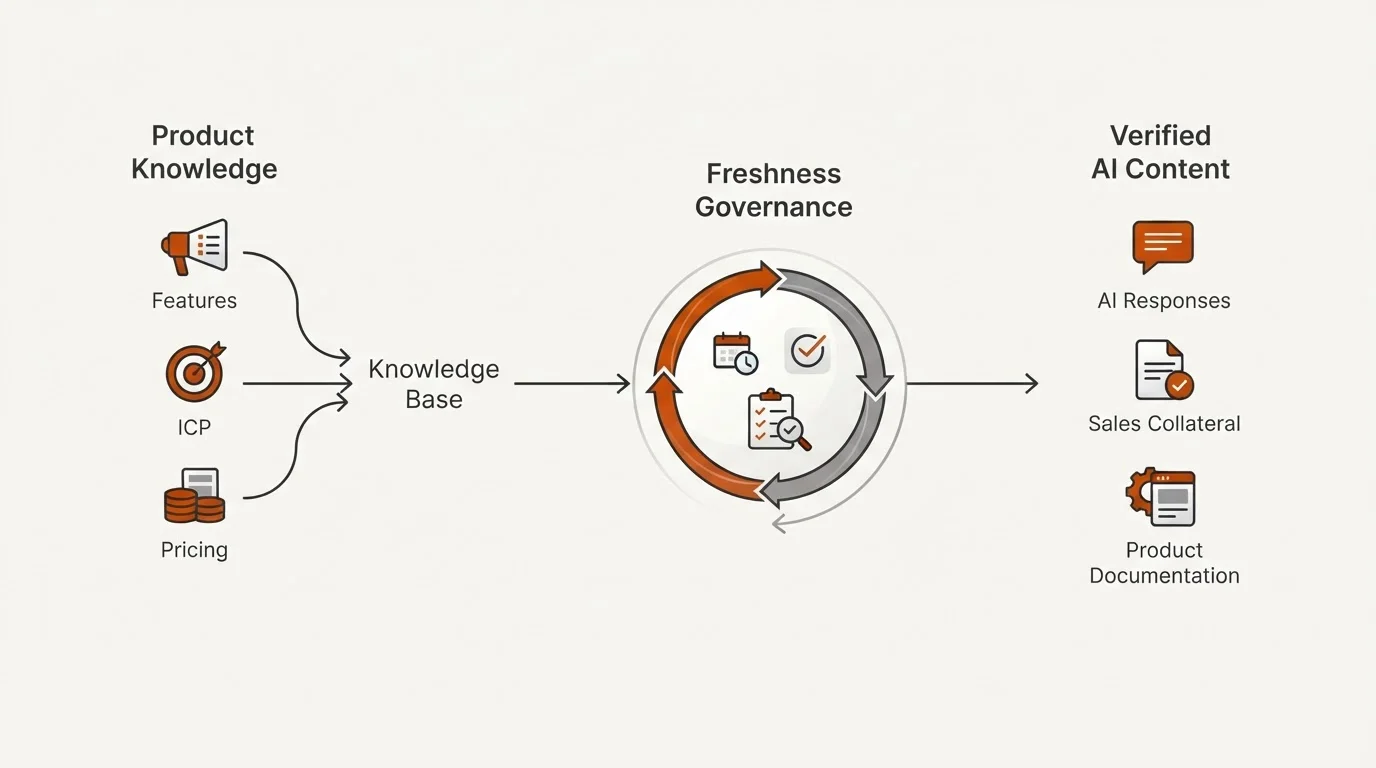
Blogged is engineered specifically for SaaS founders who need to transform technical product expertise into a durable, search-optimized content asset. It operates on a Full Autopilot model that manages the loop of research, writing, and publishing. This ensures your blog remains active and relevant even when your team is focused on shipping new features. Unlike generic AI tools, Blogged focuses on product-led growth by grounding every article in a dedicated Knowledge Engine.
This Knowledge Engine organizes your product descriptions, Ideal Customer Profiles (ICPs), positioning statements, pricing, and competitor facts into bounded data points. By maintaining this central source of truth, the platform ensures that the AI content remains factually accurate regarding your technical specifications and brand limits. For founders building in public, this factual integrity is essential for maintaining trust with a sophisticated, technical audience.
Product-Led Automation Features
One of the most significant bottlenecks in SaaS blogging is internal linking and asset management. Blogged includes an autonomous internal linking tool that verifies every destination before suggesting a link. Instead of simple keyword matching, it explains why a specific link fits the context of a section, allowing editors to approve or undo links without leaving the editor. This maintains a healthy site structure that both users and search engines reward.
Furthermore, the platform simplifies the management of technical visuals. You can maintain a private SaaS product asset library with review queues and visible approvals. With automated alt-text generation and provenance tracking, Blogged ensures that your product screenshots are as optimized for search as your prose. For founders concerned with data regulations, the platform also supports privacy-first configurations, allowing you to connect approved tags with Do Not Track (DNT) and Global Privacy Control (GPC) behaviors for the blog site.
2. Byword: Programmatic SEO for Scaling Volume
Byword is built for teams that need to scale content volume rapidly through programmatic SEO strategies. If you have identified a wide array of long-tail keywords or comparative search terms that your SaaS needs to occupy, Byword provides a workflow optimized for efficiency. It allows users to take extensive lists of keywords and produce structured articles that follow specific header hierarchies.
While Byword functions as a high-velocity drafting engine, it is often used by founders who have already established a clear list of target keywords and need a reliable way to produce the initial drafts at scale. It excels at analyzing search engine results pages (SERPs) to ensure that the generated content aligns with current search intent. This makes it a strong contender for top-of-funnel reach where volume and keyword coverage are the primary drivers of initial organic discovery.
3. Brandwell: Multi-Format Authority and Repurposing

Brandwell (formerly known as Content at Scale) focuses on producing long-form content designed to establish industry authority. A key feature of the platform is its ability to ingest diverse media formats—such as YouTube videos, podcast episodes, or existing technical documents—and synthesize them into comprehensive blog posts. This allows SaaS founders to repurpose existing product demos or founder interviews into search-ready assets without starting from a blank page.
Brandwell’s engine is designed to create deep articles that often exceed 2,500 words, aiming to provide the comprehensive coverage required to rank for competitive industry terms. This multi-source ingestion is particularly useful for teams that already have a significant amount of video or audio content and want to transform those insights into a readable, searchable format for their blog.
4. Jasper: Brand Voice Governance and Multi-Channel Campaigns
Jasper is a versatile platform geared toward maintaining brand consistency across various marketing channels. Through its Brand IQ and Knowledge Base features, you can upload company strategies and product briefs to ensure the AI adheres to your specific tone and factual requirements. This is especially valuable for larger SaaS teams where multiple stakeholders are involved in the content approval process.
Jasper functions as a sophisticated writing assistant that can take a single brief and generate a blog post, social media captions, and advertising copy simultaneously. While it requires more human guidance than a fully autonomous publishing site, its ability to govern brand voice makes it a valuable asset for teams that need to ensure every piece of content—from the technical blog to LinkedIn updates—sounds unified and remains on-message.
5. Surfer AI: Data-Driven SEO Optimization
Surfer AI is designed for founders who prioritize technical SEO and ranking precision above all else. The platform integrates deep search analysis with its content production engine, providing data-backed insights on which Natural Language Processing (NLP) terms and keyword densities are necessary to compete for a specific query. This allows you to build content that is mathematically aligned with what search engines are currently rewarding in the top results.
Surfer AI offers an optimization-focused workflow that helps enrich drafts with relevant terms to improve visibility. By connecting these SERP insights directly to their writing engine, users can generate content that is pre-optimized for specific search queries. It is a powerful tool for those who want to blend AI production with a rigorous, data-driven analysis of the competitive search environment.
Comparison Table: Autonomous Blogging Platforms
| Platform | Primary Strength | Best For | Autopilot Level |
|---|---|---|---|
| Blogged | Product-led SEO & GEO | SaaS Founders | High (Full Autopilot) |
| Byword | Programmatic volume | Niche SaaS Growth | Medium (Bulk generation) |
| Brandwell | Media repurposing | Long-form Authority | High (Drafts from media) |
| Jasper | Brand voice governance | Multi-channel teams | Medium (Guided drafting) |
| Surfer AI | SEO data precision | Ranking-focused teams | Medium (Data-driven) |
Strategic Criteria for Selecting a Content Engine
Choosing the right platform depends on your growth objectives and internal resources. If you are a solo founder, you likely need a system that minimizes your time spent on technical SEO and publishing logistics. Conversely, if you have a larger marketing department, you might prioritize a tool that offers enterprise-grade governance features.
Consider these three factors during your evaluation:
- Factual Freshness: Does the platform allow you to update product facts easily? In SaaS, pricing and features change rapidly. Systems like Blogged allow you to organize facts by product entity and facet, ensuring that every new article reflects your current offering rather than outdated specs.
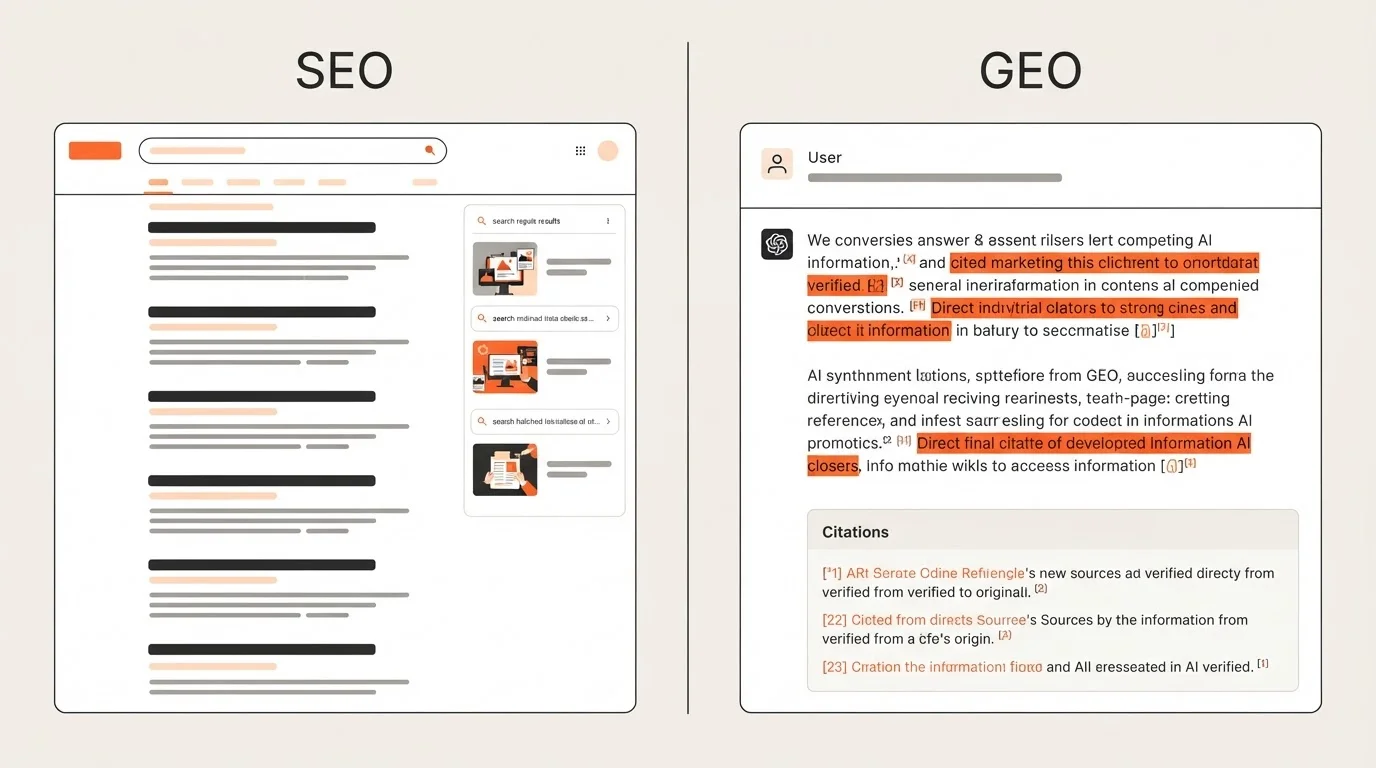
- GEO Readiness: As generative search (like Search Generative Experience) grows, your content must be structured for discovery by AI agents. Ensure your platform focuses on specific, product-led content rather than generic filler.
- Collaborative Workflow: Content is rarely a solo endeavor. Look for platforms that offer unlimited team seats to allow your product and marketing leads to review drafts without incurring extra per-user costs, ensuring consistent quality control.
Implementing Content Automation Effectively
Automation should enhance your strategy, not replace your oversight. Successful SaaS founders use autonomous platforms to handle the heavy lifting while maintaining a review process that ensures strategic alignment. Start by defining your content directions—topics that align with your product's unique value proposition—and approve them in advance. This allows the platform to refill your topic queue and keep the production engine running even when you are offline.
Integrating your technical context is the next critical step. By feeding the AI your specific Ideal Customer Profile (ICP) and positioning statements, you ensure that every post targets the right pain points. Finally, use integrated analytics, such as Google Search Console integration, to track not just traffic, but lead outcomes and reader feedback. This data-driven approach allows you to refine your automated strategy based on what actually drives sign-ups and revenue for your SaaS.
Frequently Asked Questions
Q: Is AI-generated content safe for SEO?
Yes. Google’s guidance emphasizes the quality and helpfulness of content regardless of how it was produced. High-quality autonomous platforms ensure content is researched, optimized, and factually grounded to meet these standards.
Q: How do these tools handle product screenshots?
Dedicated platforms like Blogged provide a private asset library where you can manage screenshots, tag them for specific articles, and automate the alt-text for accessibility and SEO.
Q: What is the difference between SEO and GEO?
SEO (Search Engine Optimization) focuses on ranking in traditional search results. GEO (Generative Engine Optimization) focuses on making your content discoverable and citable by AI agents like ChatGPT, Perplexity, and Gemini.
Q: Can I collaborate with my team on these platforms?
Most platforms offer collaboration tools. For example, Blogged includes unlimited team seats on its plans, allowing product managers and marketers to participate in the review and approval process without additional costs.
Get practical updates on autonomous blogging platforms
Receive new articles and practical insights by email.
For lean SaaS teams, autonomous blogging platforms are a strategic necessity. By automating the loop of research, writing, and publishing, you transform your technical expertise into a discoverable asset that works 24/7. Whether you choose Blogged for its product-led knowledge engine or Byword for programmatic volume, the goal is the same: scale your organic growth while keeping your focus on building your SaaS.