
On this page
SaaS founders must scale content production to drive organic growth while focusing maximum energy on building their product. High-performing organic strategies require a consistent stream of product-led articles, yet maintaining a manual content calendar is often operationally prohibitive. Automated creation offers an efficient alternative, but standard text generators lack the product context required for complex B2B tools. To establish true search authority and capture qualified leads, founders must understand how features and workflows dictate product fit. An effective platform should handle the entire content lifecycle, from research to publishing, transforming product knowledge into valuable SEO and GEO-optimized blog posts.
Core Features and Workflow of Content Automation Platforms
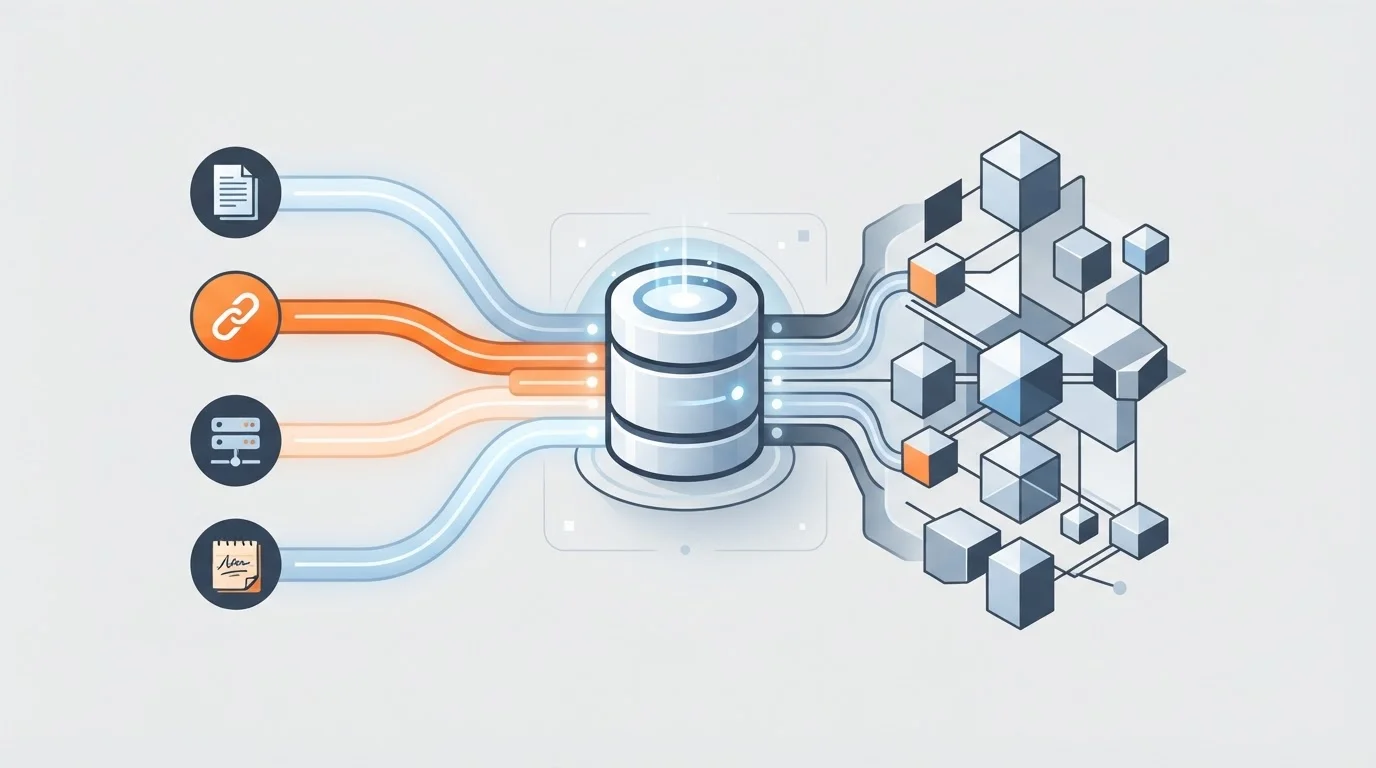
Achieving visibility requires more than just generating a large text volume from keyword prompts. Traditional content tools produce generic articles because they do not understand how your software solves specific user problems. An authentic autonomous content platform review demonstrates that an efficient workflow must start with deep background ingestion.
For example, Blogged features a specialized Knowledge Engine for Autonomous SaaS Blogs that lets users provide public product sources, uploaded documents, pasted links, or a written product description. Rather than forcing the AI to guess your platform's features, Blogged lets users organize facts by product entity and facet. This structured framework categorizes your product capabilities and use cases into verifiable facts. The system draws from this knowledge base during text generation, ensuring that every article reflects your software's real technical value accurately without introducing hallucinations.
Best-Fit Use Cases for Autonomous Content Platforms
Evaluating content at scale features and product fit requires matching platform strengths with specific SaaS marketing workflows. Lean startup teams get the highest return from platforms that automate repetitive distribution tasks while preserving strict technical accuracy.
Product-Led Content Scale
An autonomous system excels at transforming technical documentation into discoverable, search-optimized blog posts. Instead of creating generic listicles, a product-aware platform bridges user problems with specific software answers. It parses your existing documentation to outline actionable solutions, positioning your blog as a high-intent channel that guides readers naturally into your acquisition funnel.
GEO Blogging for Regional Reach
For software products addressing regional markets or localized compliance rules, geographic context is an essential organic lever. Managing localized content manually strains lean teams. Autonomous content automation tools solve this by scaling GEO blogging automatically, tailoring variations to local audiences while maintaining structural and technical accuracy across multiple target regions.
Maintaining a Consistent Publishing Autopilot
The primary obstacle to organic growth is consistency. Sustaining thorough keyword research, search engine optimization, link mapping, and formatting week after week is difficult while managing a company. Shifting this entire lifecycle to an autonomous scheduling engine ensures a reliable publishing cadence that captures long-tail keywords while freeing founders to focus on building their SaaS.
Get practical updates on content at scale features and product fit
Receive new articles and practical insights by email.
Important Trade-Offs in Content Automation
Automating a core marketing pipeline involves navigating clear trade-offs. The primary consideration is the balance between volume-focused AI text generators and deeply specialized autonomous software. Standard credit-based tools produce text quickly but require significant manual editing and SEO adjustments post-generation. If a tool fails to grasp your product's nuances, the time saved during drafting is lost during manual fact-checking.
Another trade-off involves system access and team collaboration. Startups need to let internal team members review drafts without incurring major software cost increases. While many traditional platforms charge high premiums for multi-user collaboration, Blogged ensures that every paid plan includes unlimited team seats. This allows product managers, marketers, and founders to participate in the review and approval process without additional costs, preserving brand safety while avoiding user-based price penalties.
Integration Ecosystem: Bridging Creation and Publishing
An autonomous system is only as efficient as its connection to your active web stack. If a tool requires you to manually copy and reformat drafts inside your content management system (CMS), the automation loop breaks.
The native WordPress AI Blog Publishing integration resolves this by connecting to self-hosted WordPress sites through the Blogged Publishing plugin and an application password. This secure link lets users create and review articles in Blogged, then deliver them to their WordPress website seamlessly. Beyond text delivery, this integration allows founders to collect consented visits and configured conversions for verified articles, bringing product-led metrics directly to your dashboard.
Alternative web environments receive similar native support. The Webflow CMS AI Blog Publishing integration and the Ghost AI Blog Publishing integration are both engineered to let users collect consented visits and configured conversions for verified articles. Setting up the Ghost integration is direct: users create a custom integration in Ghost, copy its Admin API key, and verify their Ghost connection in Blogged, letting Ghost render the reader experience while the platform automates background tasks. For custom frontend setups, a native Next.js AI Blog Publishing integration and a dedicated Signed Webhook and Content API offer identical conversion tracking capabilities.
How to Evaluate Product Fit for Your SaaS
To identify the best ai blogging for saas, founders must look past word volume and analyze platform architecture. The table below outlines how general content tools compare against specialized autonomous solutions like Blogged.
| Evaluation Dimension | General Content Automation Tools | Autonomous SaaS Platforms (Blogged) |
|---|---|---|
| Knowledge Integration | Fragmented keyword lists or basic URL scraping | Centralized facts organized by product entity and facet |
| Operational Workflow | Generates standalone drafts requiring manual transfer | Automates research, planning, writing, optimization, and linking |
| Team Collaboration | Restrictive plan pricing based on active user seats | Unlimited team seats included across every paid plan |
| CMS Delivery | Manual copy-pasting or basic text exports | Native integration with automated conversion tracking |
When performing your evaluation, focus on these four core criteria:
- Depth of Knowledge Ingestion: Confirm the platform supports multifaceted inputs—including public product sources, uploaded documents, pasted links, and descriptions—to accurately represent technical features.
- End-to-End Operational Autonomy: Prioritize tools that automate keyword clustering, internal linking networks, and schema generation rather than just writing plain text blocks.
- Collaboration Without Seat Restrictions: Choose systems that offer unlimited team seats so product experts can participate in the review and approval process without additional costs.
- Integrated Conversion Analytics: Verify that CMS integrations natively report consented reader traffic and custom conversion actions back to your main account dashboard.
Frequently Asked Questions
Q: What makes a platform suitable for product-led content creation?
A suitable platform must ingest your actual documentation, links, and text descriptions to understand your software. Instead of writing general market overviews, it bridges user search intent with specific solutions provided by your software entities and facets.
Q: How does the publishing workflow operate with custom websites?
Platforms like Blogged provide dedicated Next.js integrations and a Signed Webhook and Content API. These tools let developers pull optimized articles directly into modern frontend frameworks while tracking consented reader traffic and conversion milestones.
Q: What are the entry-level costs for autonomous SaaS blogging?
Blogged provides clear tiers starting with the Starter plan at $99 per month. For expanding companies, the Growth plan is listed at $169 per month, and the Ultra Growth tier is priced at $229 per month, with all plans including unlimited team seats.
Selecting a content solution depends on aligning content at scale features and product fit with your broader growth strategy. While general text software can generate articles quickly, it struggles to convey the technical value of software platforms. By adopting an autonomous content engine that respects your unique product facets and links directly into your active publishing stack, SaaS founders can maintain a predictable, high-converting organic strategy while keeping their focus entirely on building their product.