
On this page
For SaaS founders, the challenge of organic growth is rarely a lack of ideas—it is a lack of time. Sustaining a high-quality blog requires a constant cycle of research, writing, SEO optimization, and publishing that often competes with core product development. Autonomous SEO platforms aim to bridge this gap by transforming product knowledge into discoverable content on autopilot. To determine the right fit for your stack, you must evaluate how a platform handles internal product data, manages digital assets, and tracks actual business outcomes like lead growth rather than just vanity metrics.
The SaaS Knowledge Engine: Bridging the Depth Gap

The primary failure of generic AI writing tools is a lack of context. They often produce "fluff" because they lack access to your specific product nuances. An autonomous platform like Blogged solves this through a dedicated Knowledge Engine for Autonomous SaaS Blogs. This feature allows founders to feed the system with public product sources, uploaded documents, pasted links, or custom written descriptions.
By grounding the AI in your actual documentation and live URLs, the platform ensures that generated content remains factually accurate and aligned with your unique value proposition. When evaluating a solution like bloq ink, look for this ability to ingest structured and unstructured data, as it directly impacts whether the content will resonate with technical users or simply clutter your domain with generic advice.
Operational Workflow and Asset Management
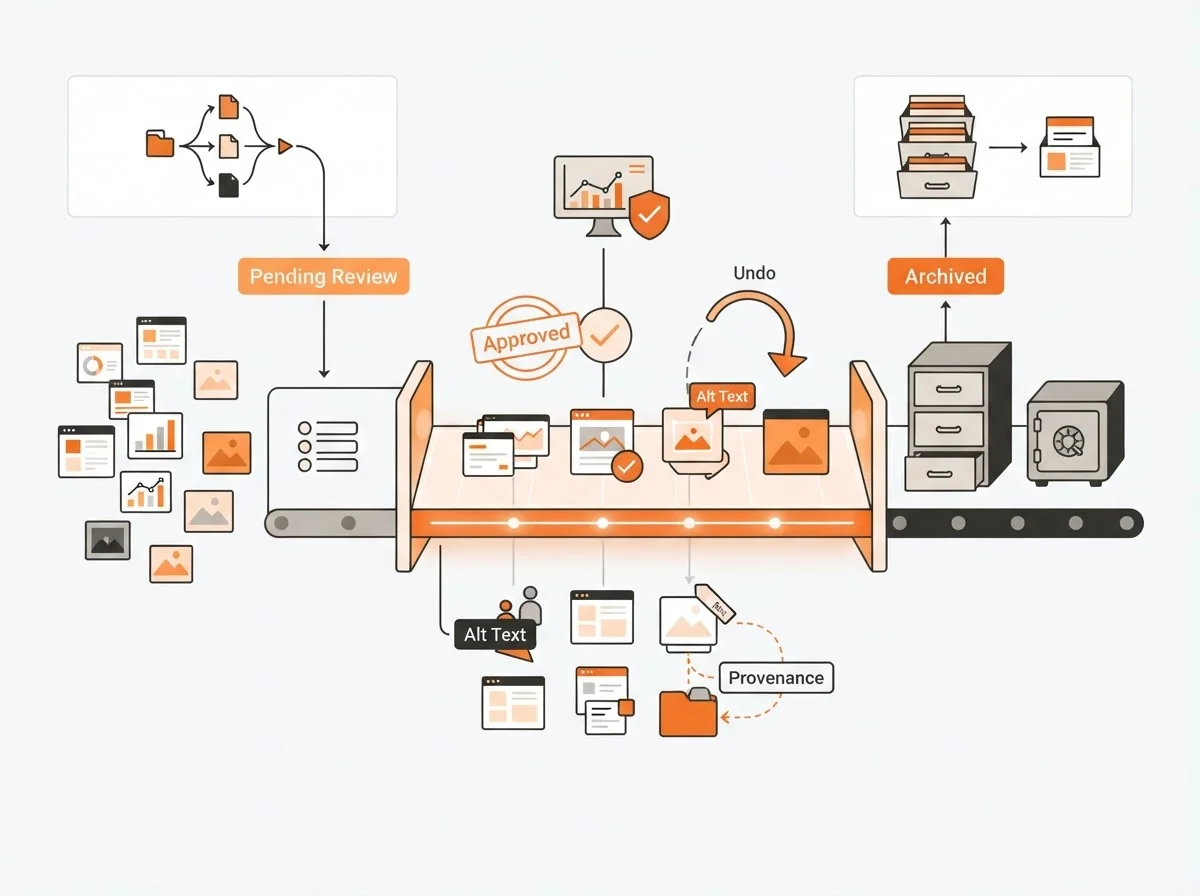
A blog is more than text; it is a repository of brand assets, screenshots, and internal links. Managing these manually at scale is a significant operational burden. Modern autonomous platforms include a private SaaS product asset library that supports sophisticated editorial controls. This includes review queues, visible approvals, undo functions, and bulk decisions, ensuring that every image or technical diagram meets brand standards before it goes live.
Furthermore, accessibility and SEO hygiene are automated through features like auto-generated alt text and provenance tracking. This level of organization is critical for teams that need to maintain a professional appearance without a dedicated content manager. If your current workflow involves messy folders or manual alt-text entry, moving to a system with safe archiving and structured approvals can save dozens of hours per month.
Performance Tracking: From Clicks to Lead Growth
Success in SaaS SEO is measured in trials and signups, not just impressions. While many tools stop at keyword tracking, advanced platforms provide a direct window into the bottom-of-the-funnel impact. For example, Blogged allows users to track Search Console performance, homepage engagement, and on-site searches directly within the dashboard.
More importantly, it quantifies CTA and lead outcomes, providing data on lead growth and direct reader feedback. This allows founders to see which product-led articles are actually converting visitors into users. When assessing the fit for your business, prioritize platforms that connect content performance to your CRM or lead generation goals, as this data is essential for justifying the investment in automation.
Get practical updates on bloq ink features and product fit
Receive new articles and practical insights by email.
Evaluating Product Fit and Platform Comparison
Choosing between an autonomous platform and a manual content operation depends on your growth stage and technical stack. SaaS founders typically benefit from high-autonomy tools that integrate natively with their existing CMS.
| Feature | Blogged (Autonomous) | Generalist AI Tools |
|---|---|---|
| SaaS Knowledge Ingestion | Documents, URLs, & Product Specs | Prompt-based only |
| Team Collaboration | Unlimited seats for all paid plans | Often per-user pricing |
| CMS Integrations | WordPress, Webflow, Ghost, Next.js | Manual Export/Copy-Paste |
| Editorial Control | 1 to 3 Revisions per article | Unlimited (Manual) |
| SEO/GEO Optimization | Fully Autonomous | Human-led optimization |
Blogged is a strong fit for teams using WordPress, as it connects via a dedicated publishing plugin and application password to deliver reviewed articles directly to the site. Similarly, for Webflow and Ghost users, it offers API-driven publishing that manages the reader experience while automating the background research and writing.
Frequently Asked Questions
Q: How much human oversight is required for autonomous content?
While platforms like Blogged automate research and drafting, human review is recommended to ensure brand voice. Features like review queues and approval stages are built-in to facilitate this quickly.
Q: Can I integrate these tools with my existing tech stack?
Yes. Blogged supports native integrations for WordPress, Webflow, Ghost, and Next.js, and offers a content API and webhooks for custom applications.
Q: Does the platform handle internal linking and SEO optimization?
Yes, autonomous platforms handle internal link building, SEO, and GEO (Generative Engine Optimization) to ensure content is discoverable by both traditional search engines and AI interfaces.
Q: How do team seats work for growing SaaS companies?
Unlike many SaaS tools that charge per user, Blogged includes unlimited team seats on its paid plans, allowing your entire marketing and product team to collaborate on reviews.
Evaluating a platform like bloq ink requires looking past the surface of AI writing and into the mechanics of product knowledge and workflow integration. For SaaS founders, the highest ROI comes from systems that turn documentation into lead-generating assets with minimal manual intervention. By focusing on a structured Knowledge Engine, robust asset management, and lead-focused analytics, you can build a content engine that grows alongside your product.