
On this page
SaaS founders often face a binary choice: focus on building the product or spend hours managing a content engine. Traditional on-page SEO is notorious for being a manual bottleneck, requiring constant keyword research, metadata tweaks, and internal link audits. However, the emergence of autonomous platforms has shifted the focus from how you do SEO to how SEO fits your product.
To drive sustainable organic growth, you need a workflow that transforms product knowledge into discoverable content without hijacking your development roadmap. This article evaluates core on-page features, the efficiency of different workflows, and how to determine the right product fit for your SaaS.
Core On-Page Features for the Modern SaaS Stack
On-page SEO involves more than just placing keywords in headers. For a SaaS business, it is about creating a technical and semantic environment where your product’s value proposition is clear to both search engines and users.
Modern autonomous platforms have moved beyond simple scoring systems. Instead of just telling you what is wrong, they handle the execution. Key features that founders should prioritize include:
- Semantic Structure: Automated generation of H1-H4 hierarchies, schema markup, and meta descriptions that align with search intent.
- Knowledge-Led Optimization: The ability to ingest specific product documentation to ensure content is accurate and authoritative, rather than generic.
- Compliance and Privacy: Advanced platforms integrate technical on-page requirements such as Do Not Track (DNT) and Global Privacy Control (GPC) directly into the blog's behavior to maintain SaaS-grade compliance.
- Internal Link Automation: Dynamically connecting new articles to existing high-value product pages to distribute authority and guide users toward conversion.
Comparing Workflows: Diagnostic vs. Autonomous
The product fit of an SEO platform is defined by its workflow. Most tools fall into two categories: diagnostic utilities and autonomous pilots. Understanding the difference is critical for resource allocation.
The Diagnostic Workflow
Tools like OnPage.ai function primarily as a diagnostic suite. These are built for SEO specialists who want to crawl a site, identify missing entities, or analyze SERP clusters. The workflow typically involves running a report, identifying a "gap," and then manually writing or editing content to "turn the score green."
While effective for granular control, this workflow often costs a founder 10–15 hours per week in manual oversight. It is a utility for people whose job is SEO, rather than a solution for founders whose job is building a company.
The Autonomous Workflow
An autonomous platform like Blogged reverses the burden. Instead of waiting for a diagnostic report, the platform handles the research, planning, writing, and publishing on autopilot. For example, Blogged's Knowledge Engine allows you to provide public product sources, uploaded documents, or pasted links to ground the AI in your actual product facts.
In this workflow, the founder’s role shifts from operator to editor, reviewing finished articles rather than building them from scratch. This allows for a product-led content strategy that stays fresh as your software evolves.
Product Fit and Feature Comparison

Choosing a platform depends on whether you need a toolkit to help you work or a system to do the work for you. Below is a comparison of how these approaches align with SaaS needs.
| Feature | Diagnostic Tools (e.g., OnPage.ai) | Autonomous Platforms (e.g., Blogged) |
|---|---|---|
| Primary Use Case | SEO Audits & Keyword Gaps | End-to-End Content Growth |
| Knowledge Input | Generic SERP Data | Custom Product Docs & Links |
| Publishing | Manual or Plugin-based | Native CMS Integrations |
| Team Model | Per-User Seats | Unlimited Team Seats |
| Ideal User | SEO Specialists / Agencies | SaaS Founders & Product Teams |
| Setup Time | High (Audit-by-Audit) | Low (Knowledge Engine Sync) |
Get practical updates on on page features and product fit
Receive new articles and practical insights by email.
Maintaining Content Freshness for SEO and GEO
Search engines (SEO) and Generative Engine Optimization (GEO) both reward content freshness. In a competitive SaaS niche, a "set it and forget it" approach leads to decaying rankings as your competitors update their features and pricing.
Autonomous platforms solve this through scheduled review cycles and recursive internal linking. When your product launches a new feature, a platform like Blogged can integrate that knowledge into future articles automatically. This ensures your blog remains a living extension of your product rather than a static archive of old marketing copy.
How to Evaluate the Best Fit for Your Business
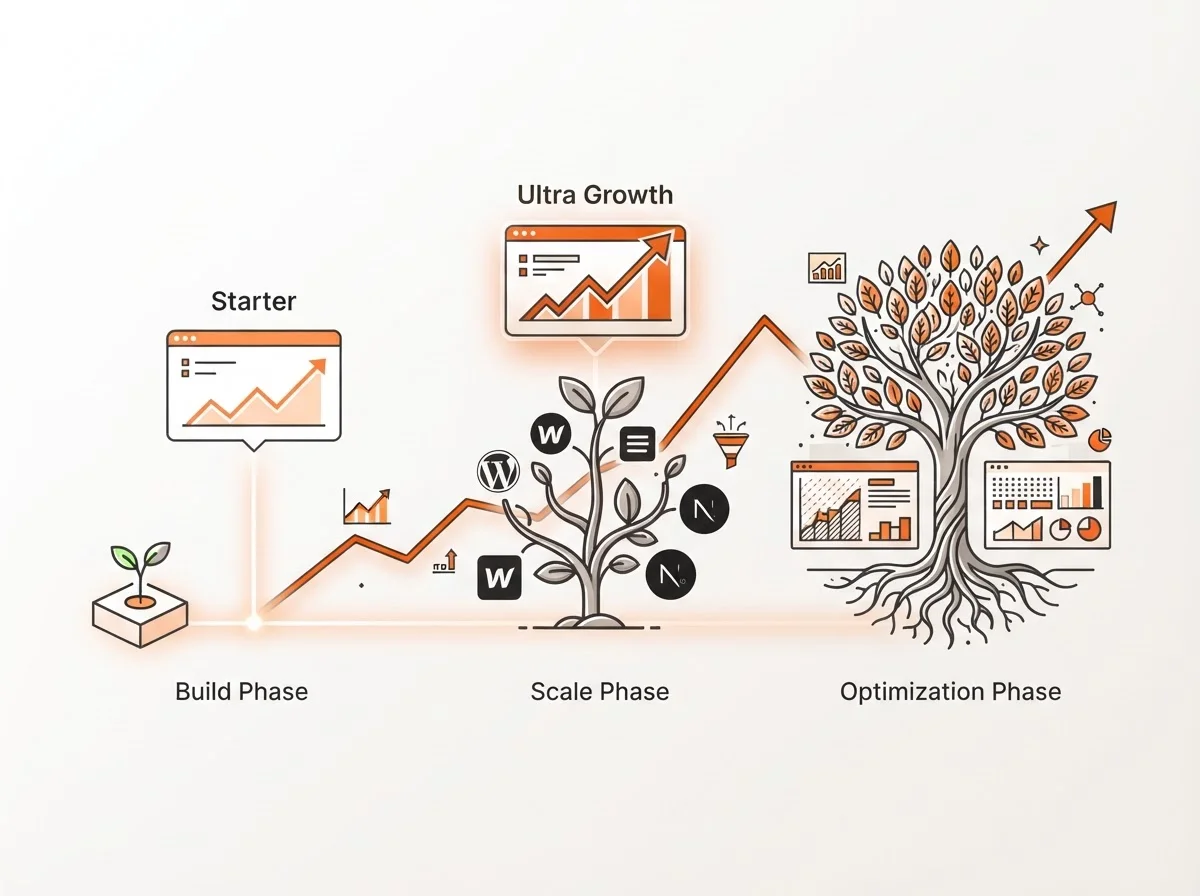
To find the right product fit, assess your current growth stage and bottleneck:
- The Build Phase: If you have zero organic traffic and no time, an autonomous platform is the only way to build a foundation while you focus on the MVP.
- The Scale Phase: If you have a marketing hire but they are overwhelmed by technical SEO, look for a platform that integrates with your existing CMS (WordPress, Webflow, Ghost, or Next.js) to amplify their output.
- The Optimization Phase: If you have a dedicated SEO team, diagnostic tools may provide the granular control they crave for high-competition keywords.
For most SaaS founders, the goal is time-to-value. Blogged Starter is listed at $99 per month and Blogged Ultra Growth is listed at $229 per month, both designed to deliver that value by removing manual labor from the SEO equation.
Frequently Asked Questions
Q: Can I use my own product documentation to guide the AI?
Yes. Blogged's Knowledge Engine supports public product sources, uploaded documents, pasted links, or written descriptions to ensure content is product-led.
Q: Does an autonomous platform replace my CMS?
Not necessarily. While Blogged can host a blog site, it also offers native publishing integrations for WordPress, Webflow, Ghost, and Next.js, as well as a signed Webhook and Content API.
Q: How many team members can participate in the review process?
Every paid Blogged plan includes unlimited team seats, allowing founders, marketers, and product managers to collaborate without extra costs.
Q: How does the platform handle privacy compliance?
Blogged allows users to connect approved tags with Do Not Track, Global Privacy Control, and specific consent behaviors to ensure the blog remains compliant.
The Verdict on Product Fit
The right on-page features and workflow should simplify your life, not add another dashboard to monitor. If you are a SaaS founder looking to turn product knowledge into organic growth without the manual grind of traditional SEO, an autonomous platform is the superior fit. By shifting from diagnostic audits to an autopilot workflow, you can ensure your content remains fresh, relevant, and discoverable while you focus on building the future of your software.