
On this page
Product-led content for organic growth is a strategy where your software is the central vehicle for solving a reader’s problem within the narrative itself. By 2027, the traditional marketing blog that waits until the final paragraph to mention a product has become obsolete. Modern search environments—increasingly influenced by Generative Engine Optimization (GEO) and AI-driven discovery—reward content that provides immediate, verifiable utility.
For SaaS founders, this shift means moving away from generic industry observations toward discoverable product knowledge that demonstrates value before a user ever signs up. This guide provides a framework for transforming your technical details into a high-performance acquisition engine. We explore how to map features to pain points, optimize for AI search, and scale output without sacrificing focus on building your product.
Why Product-Led Content is the Default for SaaS Growth
The economics of SaaS acquisition have shifted as paid channels face increasing saturation and rising costs. Organic search remains a vital lifeline, but the definition of success has evolved. Buyers now frequently rely on AI assistants and generative search summaries to research software solutions.
To be cited by these engines, your content must be authoritative and deeply rooted in your product’s unique functionality. Product-led content (PLC) bridges the gap between high-level awareness and product adoption. By embedding specific workflows and features into your articles, you create a show-don't-tell experience that generates Product Qualified Leads (PQLs)—users who already understand your tool’s value because they have seen it solve a problem in the content.
The Pillars of a High-Performance PLC Strategy
A successful product-led strategy requires more than a list of features. It demands alignment between user intent and product utility. Founders who win at organic growth typically focus on three core pillars: utility, discoverability, and technical authority.
1. Feature-to-Problem Mapping
Every piece of content should start with a specific user challenge rather than just a keyword. Create a matrix that lists your core features and the exact frustrations they alleviate. If your SaaS offers an internal linking tool, your content should not just discuss general SEO; it should be a guide on how to fix decaying organic traffic using automated internal links.
Framing the feature as the solution to a documented pain point captures high-intent demand. These readers are not just looking for information; they are looking for a way to solve a problem that your product is purpose-built to handle.
2. Optimizing for GEO (Generative Engine Optimization)
AI search engines prioritize content that is clear, structured, and factually dense. To remain visible, your product-led content must be discovery-ready. This involves providing specific, citable evidence of how your product performs tasks.
Generative engines look for authoritative sources to summarize in their answers. When your blog provides a step-by-step tutorial or a comparison of workflows, you increase the likelihood that an AI assistant will recommend your SaaS by name as the optimal solution for a user query.
3. Scaling Through Product Knowledge Integration
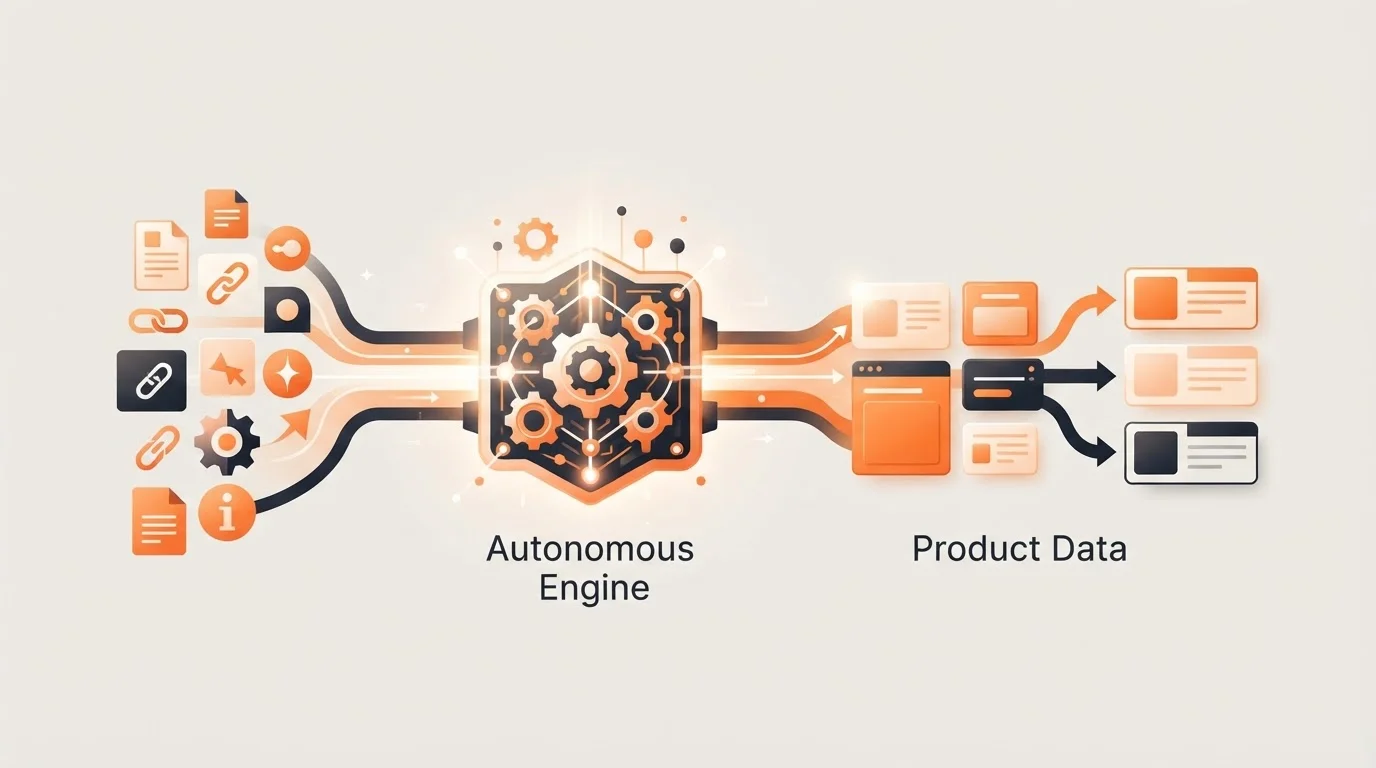
The biggest bottleneck for founders is finding the time to translate technical knowledge into a consistent publishing schedule. This is where autonomous blogging platforms become essential. Systems that can ingest your existing product documentation and technical descriptions maintain founder-level quality while removing the manual labor of writing.
Blogged’s Knowledge Engine allows founders to provide public product sources or uploaded documents. The platform uses this data to research, plan, and write content that is technically accurate and aligned with the product’s actual capabilities. This ensures the blog remains a genuine extension of the product itself.
The Strategic Execution Framework
Scaling a blog is a systematic process. For founders looking to build a compounding organic channel, this three-step framework ensures every article contributes to user acquisition.
Stay updated on autonomous blogging for SaaS
Get insights and strategies on transforming product knowledge into discoverable content. Learn how to drive organic growth for your SaaS.
Step 1: Define User Success States
Identify the specific points where a user realizes the value of your software. Your content strategy should work backward from these moments. If a user’s success state is generating an audit in under a minute, your content should target keywords related to speeding up audits or automated reporting.
Step 2: Consolidate Product Knowledge
Gather your product specs, roadmaps, and documentation. This raw data is the fuel for your content engine. Founders can use autonomous platforms to process these sources. Blogged simplifies this by handling planning and optimization automatically, ensuring product-specific details are interlinked across your entire blog to build topical authority.
Step 3: Automate the Content Lifecycle
Consistency is required for compounding growth. Automating research, writing, and internal linking allows you to maintain a high-frequency schedule while you focus on building. Integrating your content engine with your existing stack is also critical.
Whether you use Ghost, WordPress, Webflow, or Next.js, your publishing workflow should be seamless. For instance, the Blogged integration for Ghost manages the creation and review process inside the platform while Ghost handles the final reader experience. This keeps the founder in control of the narrative without the burden of manual drafting.
Measuring the ROI of Product-Led Content
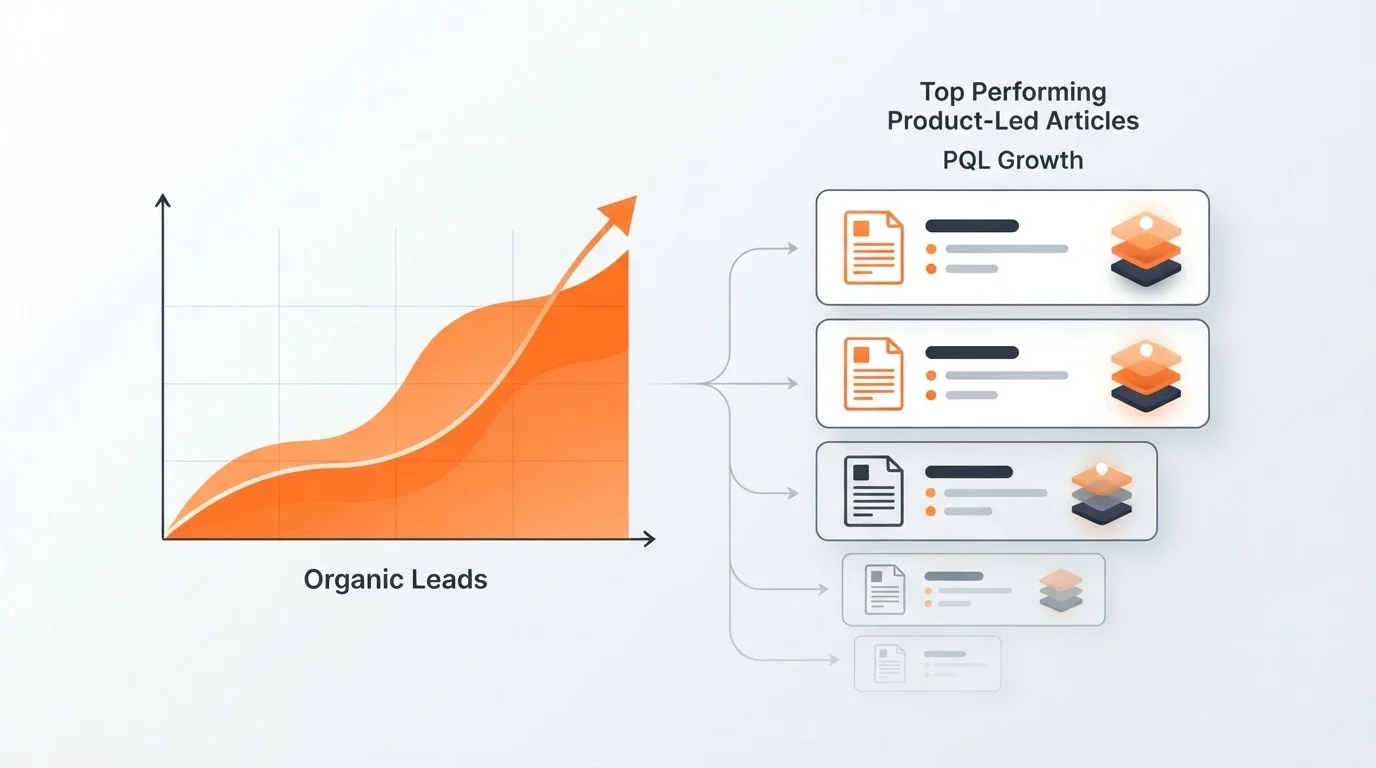
Traffic is a vanity metric if it does not lead to adoption. To measure the success of product-led content, founders must look at how content influences the journey toward paid subscriptions. Key indicators include Search Console performance for high-intent keywords and lead outcomes from specific articles.
Tracking which articles drive the most trial sign-ups or demo requests is essential. Blogged provides tracking for Search Console performance and lead growth, allowing founders to see exactly how the autonomous blog contributes to the bottom line. It also helps monitor whether your brand is being mentioned in AI-generated summaries for relevant category searches.
Frequently Asked Questions
Q: What is the main difference between SEO and GEO?
SEO focuses on ranking in traditional search engine results like Google. GEO (Generative Engine Optimization) focuses on getting your content cited and recommended by AI assistants.
Q: Can I maintain quality while using automation for content?
Yes, provided the system is grounded in your specific product knowledge. By providing actual documentation and links, the output remains technically accurate and unique to your SaaS.
Q: Which platforms can I use for my autonomous blog?
You can integrate with major platforms like Ghost, WordPress, Webflow, and Next.js, or use a Content API for custom setups.
Q: How do I handle team collaboration in an automated setup?
Modern platforms like Blogged include unlimited team seats, allowing product managers and marketers to participate in the review and approval process as the content is generated.
In 2027, the gap between your product and your content should be non-existent. Product-led content for organic growth is about creating a discoverable resource that solves problems and introduces your SaaS as the solution. By leveraging autonomous tools to handle the heavy lifting of research and publishing, founders can build a compounding acquisition channel that runs on autopilot.
If you are ready to transform your product knowledge into a high-growth blog, explore how Blogged can automate your entire content lifecycle today.