
On this page
For SaaS companies, a capable content strategy requires more than just creating blog posts; it demands a systematic approach to planning, execution, and optimization. Traditional content planning methods often struggle to keep pace with the dynamic nature of software-as-a-service products and shifting market demands. As discovery moves from traditional search rankings toward AI-driven citations and answer engines, founders are finding that volume alone is no longer a viable strategy. The modern SaaS content strategy must now encompass SEO (Search Engine Optimization), GEO (Generative Engine Optimization), and AEO (Answer Engine Optimization) to maintain visibility. By moving from manual content calendars to an autonomous blog layer, founders can focus on building their product while AI handles the deep research, strategic planning, and performance optimization. This transformation isn't just about speed; it's about grounding your marketing in your product's specific knowledge to drive organic, product-led growth.
The SaaS Content Paradox: Why Founders Struggle with Strategic Planning
Manual content planning for SaaS companies presents a series of complex challenges that can hinder effective market penetration and audience engagement. Founders and their core teams possess deep product expertise, but the sheer volume of information that needs to be processed—from rapid feature releases to shifting competitive landscapes—often creates a strategic bottleneck. Without automated assistance, content teams become overwhelmed trying to synthesize technical data into actionable, high-intent content ideas. Another common issue is maintaining consistency and quality across a growing content library. As a SaaS product evolves, so too must its supporting documentation and marketing materials. Stale articles and outdated tutorials create a growing gap between what the software does and what the blog claims, leading to frustrated users and an increased support burden. When marketing content is outdated, the customer success teams pay the price, acting as a manual bridge for information that should have been discoverable on the blog. Furthermore, aligning content efforts with SEO best practices and user intent from the outset is often an afterthought in manual planning. The iterative process of keyword research, topic clustering, and content mapping becomes a significant time sink. For a high-growth SaaS, the cost of inaction is clear: declining search visibility and a failure to capture prospects at the moment of intent. Strategic content planning requires a move away from intuition toward an autonomous SEO workflow that grounds every post in verified product facts.
The Cost of the Information Silo
In many SaaS organizations, product knowledge is trapped within the minds of developers or buried in internal communication channels. This information silo prevents the marketing engine from accurately reflecting the product's true value. When planning is manual, these insights are rarely translated into search-optimized content effectively. Blogged bridges this gap by acting as a persistent listener, turning technical nuances into discoverable assets that educate the market without taxing your engineering team.
The Knowledge Engine: Grounding Content in Product Truth
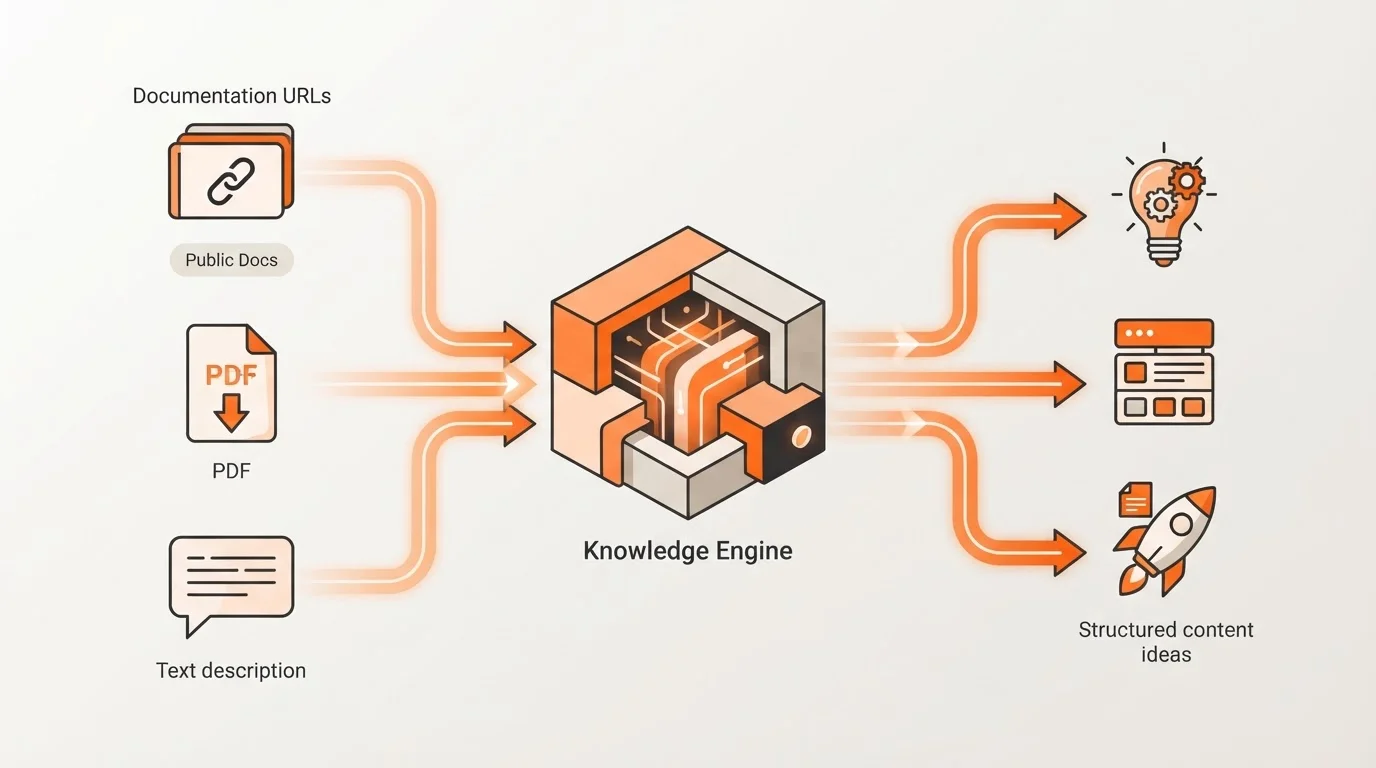
Blogged redefines content planning for SaaS companies by integrating artificial intelligence throughout the strategy development process. Unlike generic AI writing tools that rely on manual prompts and often produce inaccurate technical details, Blogged utilizes a Knowledge Engine to ensure accuracy. This AI-driven approach moves beyond simple keyword suggestions, aiming to build a comprehensive content ecosystem that reflects the nuances of your specific product. Instead of relying on manual input for every detail, the platform's AI learns directly about your product. This foundational step ensures that all generated content ideas and strategies are deeply rooted in what your SaaS actually offers. Blogged's Knowledge Engine allows users to provide public product sources, uploaded documents, pasted links, or a written product description. This flexibility means that whether your product information resides in public documentation, internal files, or even a simple written description, the system can leverage it to inform the entire content strategy.
From Public Docs to Internal Specs: Diversified Data Ingestion
To build a strategy that resonates, the AI must understand the 'why' behind your features. By ingesting public product sources and internal documentation, the planning layer identifies specific user pain points and maps them to your product's solutions. This eliminates the risk of treating a complex software solution like a generic commodity. Instead, the AI plans content that acts as an expert advisor, guiding users through complex workflows and demonstrating value early in the reader's journey. This ensures every piece of content published is factually sound and aligned with your current product version.
Architecting for the Future: GEO and AEO Optimization
Translating raw product knowledge into a structured, cohesive content calendar is a critical step for any SaaS. In the current search climate, your content must do more than rank; it must be the source of truth that AI models and generative engines cite. Blogged assists in structuring topics into a logical flow that guides users from awareness to decision-making. The content calendar is not just a list of dates; it is a strategic map that incorporates Generative Engine Optimization (GEO). By focusing on fact density and E-E-A-T signals (Experience, Expertise, Authoritativeness, and Trustworthiness), the platform plans content that AI systems are likely to cite. This ensures your brand remains influential in AI-driven search results, building 'share of model' alongside traditional search visibility. By proactively optimizing for user intent, the platform saves time that would otherwise be spent on retrofitting SEO into existing content.
Building Share of Model, Not Just Share of Search
Traditional SEO focuses on page-one rankings, but the future of discovery is citation-based. Blogged's planning layer analyzes how AI models summarize information, ensuring your content contains the semantic richness and factual accuracy required to be featured in AI overviews. This strategic planning ensures that when a user asks an AI about a problem your SaaS solves, your product is the recommended solution. This shift from keyword density to factual authority is the core of Generative Engine Optimization.
Solving the Visual Bottleneck: Asset Management for SaaS
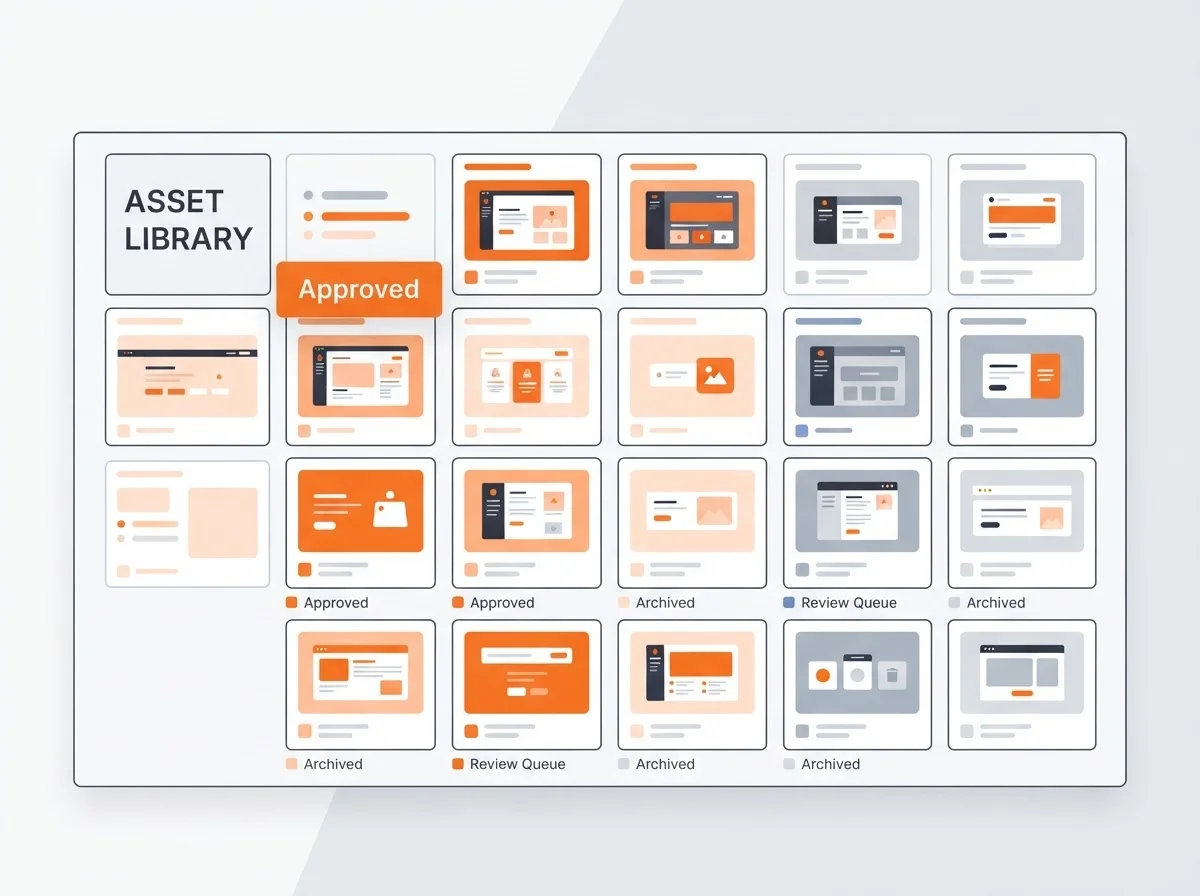
Managing the visual assets associated with content adds another layer of complexity to SaaS planning. Without a centralized system, teams struggle with version control, accessibility, and ensuring all assets meet brand guidelines. Blogged solves this by letting users manage a private SaaS product asset library with review queues, visible approvals, and safe archiving. This capability allows for structured management of visual and multimedia elements, including bulk decisions and alt text provenance. Consider the number of manual checks involved in approving a new product screenshot for a blog post. A high number of steps indicates a need for the streamlined, autonomous management that Blogged provides. By integrating asset management directly into the content planning and creation workflow, teams ensure that every piece of content is visually consistent and technically accurate.
Autonomous Distribution: Seamless CMS Integration
Once content is planned and created, the next step is getting it live on your platform. This often involves manual transfers and formatting adjustments that divert resources from core development. Blogged's WordPress AI Blog Publishing integration lets users create and review articles in the platform, then deliver them directly to their WordPress website. For those using other ecosystems, Blogged connects to self-hosted WordPress through a dedicated publishing plugin and an application password. Similarly, the platform supports dedicated integrations for Ghost and Webflow. The Ghost AI Blog Publishing integration manages content creation and review while Ghost renders the reader experience. For teams building their own front ends, a REST API, npm package, and signed webhooks provide a flexible way to deliver verified articles to platforms like Next.js, Shopify, or Wix. This integrated approach ensures that the journey from initial ideation to live publication is seamless, allowing founders to focus on building their SaaS rather than managing technical blog logistics.
Measuring the Impact: Performance-Driven Strategy Refinement
An important aspect of building a cohesive calendar is the ability to track performance and adapt the strategy based on real-world data. Blogged lets users track Search Console performance, homepage engagement, on-site searches, and CTA outcomes. This comprehensive tracking allows teams to see the direct impact of their content efforts, from search visibility to lead growth. This data-driven feedback loop is vital for refining the content calendar. If certain topics are underperforming, the AI can help identify alternative angles or suggest content gaps. If others are excelling, the system can recommend creating more content around those successful themes. This iterative process ensures that the content calendar remains dynamic and responsive to market trends, maximizing the ROI of content marketing efforts. By scaling organic growth autonomously, SaaS founders can ensure their product remains visible in an increasingly competitive search environment.
Frequently Asked Questions
Q: How does Blogged ensure the AI content is accurate for a complex SaaS product?
Blogged utilizes a Knowledge Engine that grounds every article in your specific product facts. By ingesting your documentation, links, and descriptions, it avoids the errors common in generic AI writers and maintains technical accuracy.
Q: Can my team collaborate on the content review process?
Yes. Blogged includes unlimited team seats on all paid plans. This allows product managers, marketers, and subject matter experts to participate in the review and approval process without additional licensing costs.
Q: What CMS platforms does Blogged support for publishing?
Blogged integrates natively with WordPress, Ghost, and Webflow. It also supports Next.js, Shopify, Wix, Framer, and custom front ends via a REST API and signed webhooks.
Q: Does the platform handle image alt text and SEO metadata?
Yes. The autonomous workflow manages SEO, GEO, and AEO optimization, including internal linking, metadata, and asset management with alt text and provenance tracking.
Q: How do I connect Blogged to my self-hosted WordPress site?
Blogged connects to self-hosted WordPress through the dedicated Blogged Publishing plugin and an application password, ensuring secure and seamless content delivery.
Transforming raw product information into a cohesive, SEO-optimized content calendar empowers SaaS businesses to create more impactful content with greater efficiency. By leveraging an autonomous blog layer, founders can bridge the gap between building a product and marketing it effectively. The integration of AI throughout the planning, creation, and distribution phases not only streamlines internal workflows but also accelerates growth by ensuring content consistently aligns with user intent and the evolving demands of AI-driven discovery. Moving forward, the focus for SaaS marketing must remain on accuracy and authority, two pillars that Blogged is uniquely designed to support.
Get practical updates on ai content planning saas
Receive new articles and practical insights by email.