
On this page
For SaaS founders, the bottleneck in organic growth is rarely a lack of ideas—it is a lack of time. Operating as the CEO, product lead, and head of sales leaves little room to produce the weekly content required to rank in Google or earn citations in AI engines like Perplexity and ChatGPT. This is why autonomous GTM platforms like mergeflo have emerged to handle research, writing, and publishing on autopilot.
Understanding the specific features and product fit of mergeflo is essential for determining if it aligns with your current growth stage. This evaluation explores its autonomous workflow and compares its capabilities with specialized alternatives to help you choose the right execution model for your SaaS. Whether you need a broad GTM pipeline or a dedicated engine for product-led content, the decision hinges on how effectively a platform transforms your internal knowledge into public discoverability.
Core Features of mergeflo
mergeflo is positioned as an autonomous GTM platform designed for startups that need discoverability without the overhead of an agency or a dedicated content team. Unlike simple AI writing assistants, it manages the full lifecycle of a post, from keyword discovery to live publishing via CMS APIs. The platform focuses heavily on AI search visibility, specifically tracking how often a brand is cited in generative engines.
Autonomous SEO and GEO Optimization
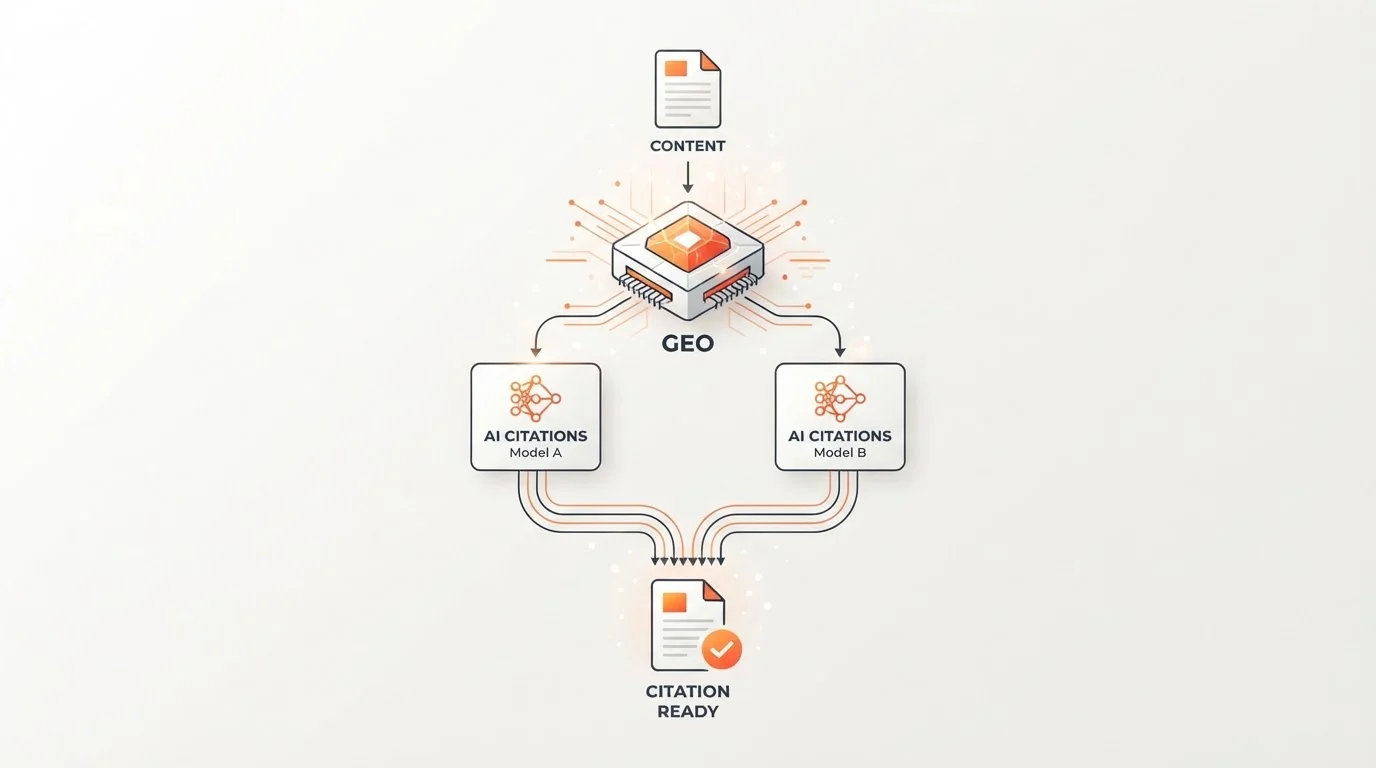
A primary differentiator for mergeflo is its focus on Generative Engine Optimization (GEO) and Answer Engine Optimization (AEO). The system doesn't just write for Google rankings; it structures content to be citation-ready for AI models. It probes engines like Perplexity, Gemini, and ChatGPT to identify gaps where competitors are winning citations and then generates content to close those specific gaps. This shift from simple keywords to intent-based clusters allows founders to capture traffic from the growing segment of users who use AI for product discovery.
The Elara and Kael Agents
The platform utilizes specific autonomous agents to divide the labor of growth. Elara focuses on demand discovery, scanning search trends and competitor activity to find high-impact topics that align with the startup's value proposition. Kael acts as the creative and technical engine, drafting content and optimizing it within user-defined guardrails. By using Kael to handle the technical heavy lifting—like schema markup and internal linking—founders can ensure their brand consistency remains intact while the agents scale production volume.
The mergeflo Workflow
The mergeflo workflow is built to replace the heavy lifting of research, editing, and CMS management. The process starts by ingesting a startup's cluster plan or product context. From there, the platform automates keyword research and generates briefs that align with live search engine results page (SERP) data. This ensures that every piece of content is backed by real-time demand rather than outdated static keyword lists.
Once a brief is approved, the platform generates a brand-voice draft complete with external citations and schema markup. Users can choose their level of control, ranging from manual review of every draft to completely autonomous execution where the system publishes directly to Webflow or WordPress once quality checks are met. This flexibility is critical for founders who want to stay involved in the voice but not the mechanics, allowing the blog to remain active even during heavy development sprints.
Evaluating Product Fit for Your SaaS
Determining if mergeflo is the right fit depends on your current headcount and growth objectives. The platform is purpose-built for teams that need higher velocity than manual AI prompting can provide and want to link content directly to a broader GTM pipeline. If your goal is to win share-of-voice in AI engines and you need a platform that connects content production directly to revenue measurement, mergeflo is a strong contender.
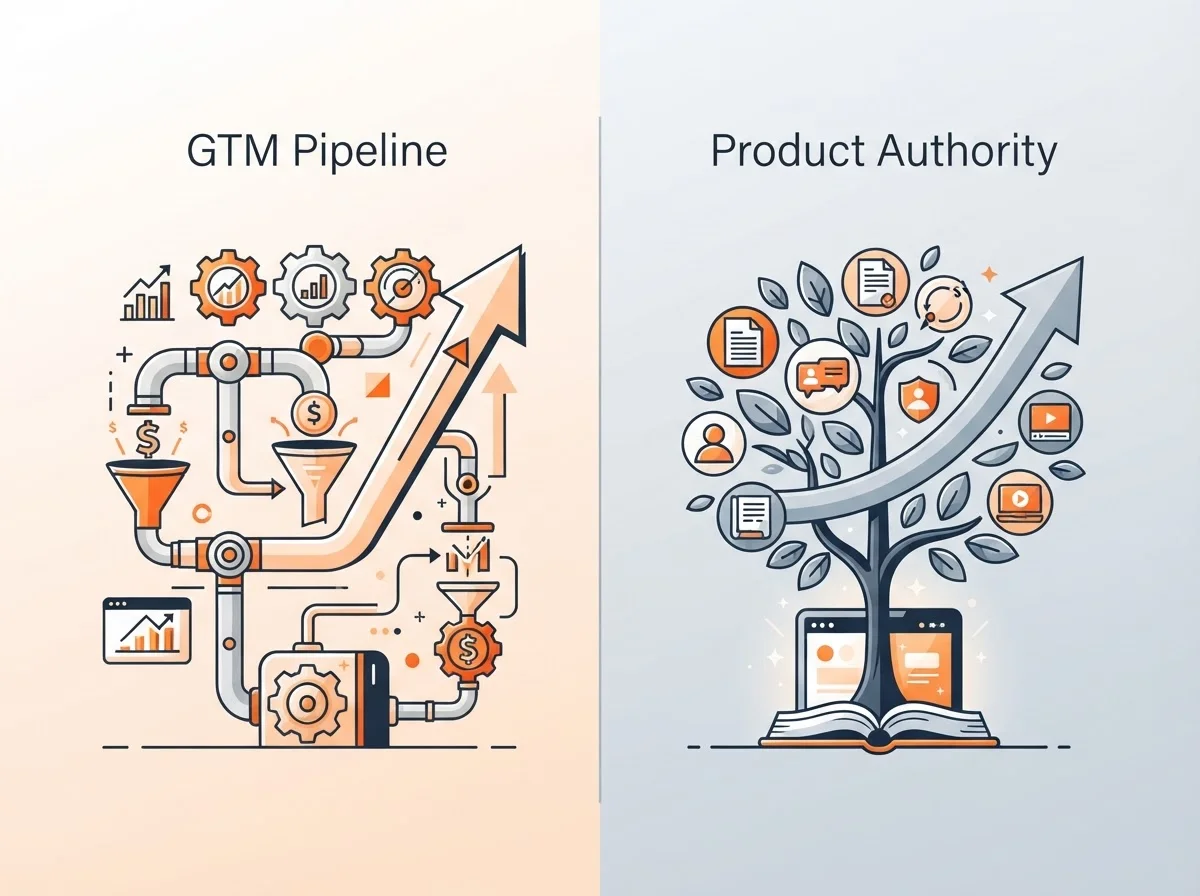
However, for founders specifically focused on product-led growth, specialized platforms like Blogged offer a different approach. Blogged provides a specialized Knowledge Engine that transforms existing documentation, URLs, and product facts into discoverable content. While mergeflo excels at broad GTM clusters, Blogged is designed to turn your specific product expertise into high-ranking assets. For early-stage teams, Blogged Starter is listed at $99 per month, making it a focused alternative for those prioritizing SEO and GEO growth through deep product context.
Comparison Table: Automation for SaaS Founders
| Feature | mergeflo | Blogged |
|---|---|---|
| Primary Focus | Autonomous GTM & Pipeline | Autonomous SEO & Product-Led Content |
| Knowledge Source | Search Trends & Cluster Plans | Docs, URLs, & Product Knowledge Base |
| Team Access | Tiered by Plan | Unlimited seats on every paid plan |
| CMS Destinations | Webflow, WordPress | WP, Ghost, Webflow, Next.js, API |
| Pricing (Entry) | Volume-based | Blogged Starter: $99/mo |
Why Autonomy Matters for Organic Scaling
For most startups, the real cost of evaluating content tools is not the subscription fee—it is the delay in building domain authority. Search and AI discovery reward consistency over volume. If your current process relies on finding time on a weekend to write a post, your organic growth will likely stall. Consistency build trust with both search algorithms and answer engines, which require a steady stream of fresh, relevant data to maintain your citations.
Autonomous platforms solve this by decoupling your time from your publishing cadence. By moving to a system that handles the research, internal linking, and technical optimization, you ensure that your blog continues to grow even when you are focused on a product launch or a fundraising round. This Autopilot approach allows founders to shift from being content creators to being content editors, maintaining high quality without the associated time sink.
Frequently Asked Questions
Q: Can I use my existing technical documentation to guide the AI?
Yes. While mergeflo uses cluster plans to find demand, Blogged’s Knowledge Engine specifically allows you to provide public product sources, upload documents, or paste links to ensure the AI has deep product context.
Q: Do these platforms work with self-hosted websites?
Both platforms support major CMS integrations. Blogged, for example, connects to self-hosted WordPress through the Blogged Publishing plugin and an application password. It also supports Ghost, Webflow, and Next.js.
Q: Is the content actually citable by AI engines like Perplexity?
Yes. Both platforms focus on structured content and schema markup, which increases the likelihood of being cited in AI Overviews and answer engines. The focus on GEO ensures that the output is formatted for AI readability.
Q: Can I review the content before it goes live?
Both tools offer tiered control levels. You can set them to require manual approval for every draft or move to supervised and autonomous modes as you build trust in the output. Blogged also includes unlimited team seats on its plans, allowing multiple team members to participate in the review process.
Conclusion
mergeflo presents a robust option for startups looking to operationalize a full GTM pipeline with autonomous agents. Its focus on AI citation tracking and revenue connection makes it a powerful choice for growth teams seeking an all-in-one system that links content to lead generation.
However, for founders seeking a highly specialized, product-led approach to blogging, Blogged offers a dedicated Knowledge Engine that bridges the gap between technical documentation and SEO-ready content. By evaluating whether you need broad GTM integration or specialized product-led SEO, you can choose the platform that best scales your organic discoverability. The key is to start automating early to build the domain authority your SaaS needs to win.
Get practical updates on mergeflo features and product fit
Receive new articles and practical insights by email.