
On this page
SaaS founders frequently hit a growth ceiling when their product-led vision outpaces their ability to market it. For many, organic search remains the most desirable acquisition channel, yet sustaining the research, writing, and optimization required for growth is nearly impossible while building a product. This gap has led to the rise of autonomous blogging, a strategy that utilizes AI-driven systems to handle the heavy lifting of SEO and content production. In this case study, we explore the hypothetical journey of InnovateHub, a SaaS company that leveraged the Blogged platform to scale its content engine. By automating the conversion of technical product knowledge into discoverable content, they transformed their blog into a self-sustaining growth driver.
The Challenge: The SaaS Founder's Content Bottleneck
For many early-stage SaaS teams, the priority is always the product roadmap. However, once a viable solution is built, the focus must shift to customer acquisition. Organic search is often viewed as the gold standard for growth because it offers a compounding ROI that paid acquisition cannot match. Unlike ads, where traffic stops the moment you stop paying, search traffic builds on itself over time. Yet, achieving these results manually requires a level of consistency that lean teams struggle to maintain.\n\nInnovateHub faced the classic 'Founder's Trap.' Their team was forced to choose between shipping new features and maintaining a marketing presence. When they did manage to publish, the output was sporadic—a deep-dive tutorial one week, followed by a month of silence. This lack of cadence is a primary reason why many SaaS blogs fail to gain traction. To compete with established players, they needed a way to produce product-led content at a high volume without hiring an expensive editorial department or managing a rotating door of freelance writers.
Why InnovateHub Chose Autonomous Blogging for Growth
Traditional outsourcing models often fail SaaS founders because external writers frequently lack the deep product expertise required to write authoritative content. Managing freelancers also requires significant time for briefing, editing, and fact-checking. InnovateHub needed a solution that was product-led by design, capable of learning the specific nuances of their software and translating them into search-optimized assets.\n\nThey chose an autonomous blogging strategy to achieve three goals: scalability, technical authority, and economic efficiency. By implementing an autonomous platform, they could increase their publishing frequency significantly without increasing headcount. Furthermore, the shift was driven by the changing nature of search. As AI-driven search results and Generative Engine Optimization (GEO) become more prevalent, SaaS brands need content that is structured specifically for discovery by both humans and AI models.
Implementing Blogged: From Product Knowledge to Live Content
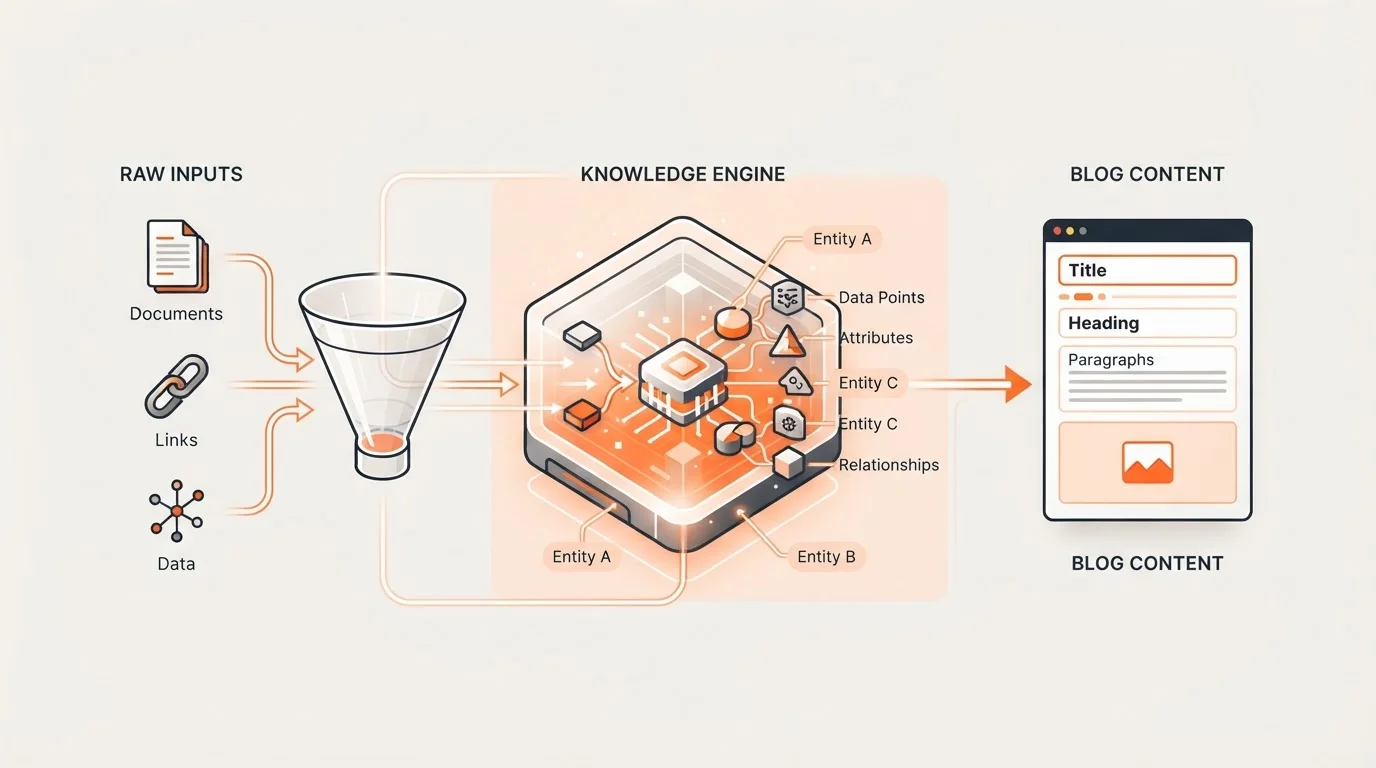
The implementation process for InnovateHub began with the Blogged Knowledge Engine. Instead of starting every article from a blank page, they treated their existing documentation as the raw fuel for their content engine. The Knowledge Engine allows founders to organize product facts by entity and facet, ensuring that every piece of content is grounded in reality. By providing public product sources, uploaded technical documents, and pasted links, the team created a centralized source of truth for the AI to reference.\n\nThis 'knowledge-first' approach solves the common problem of AI content feeling generic or hallucinating features. The platform uses this data library to target specific user pain points and technical use cases, effectively turning a dry product manual into a series of discoverable 'how-to' guides. This ensures that the blog remains a reflection of the actual product, building trust with readers who are looking for specific solutions to their technical problems.
Autonomous Asset Management and Brand Integrity
A primary concern for founders adopting automation is maintaining brand consistency, especially regarding visual assets. InnovateHub addressed this by leveraging Blogged’s private SaaS product asset library. This feature allows the team to manage screenshots, diagrams, and videos with full review queues and visible approvals. This ensures that every visual included in a post is accurate and professionally presented.\n\nThe system manages the technical details, such as alt text and provenance, while allowing founders to maintain human-in-the-loop oversight. If a product UI changes, the team can use bulk decisions to replace or update assets across multiple posts simultaneously. This balance of automation and control ensures that the blog stays 'on-brand' while the AI handles the repetitive task of placing those assets within the context of the written articles.
Seamless Publishing via WordPress and Ghost
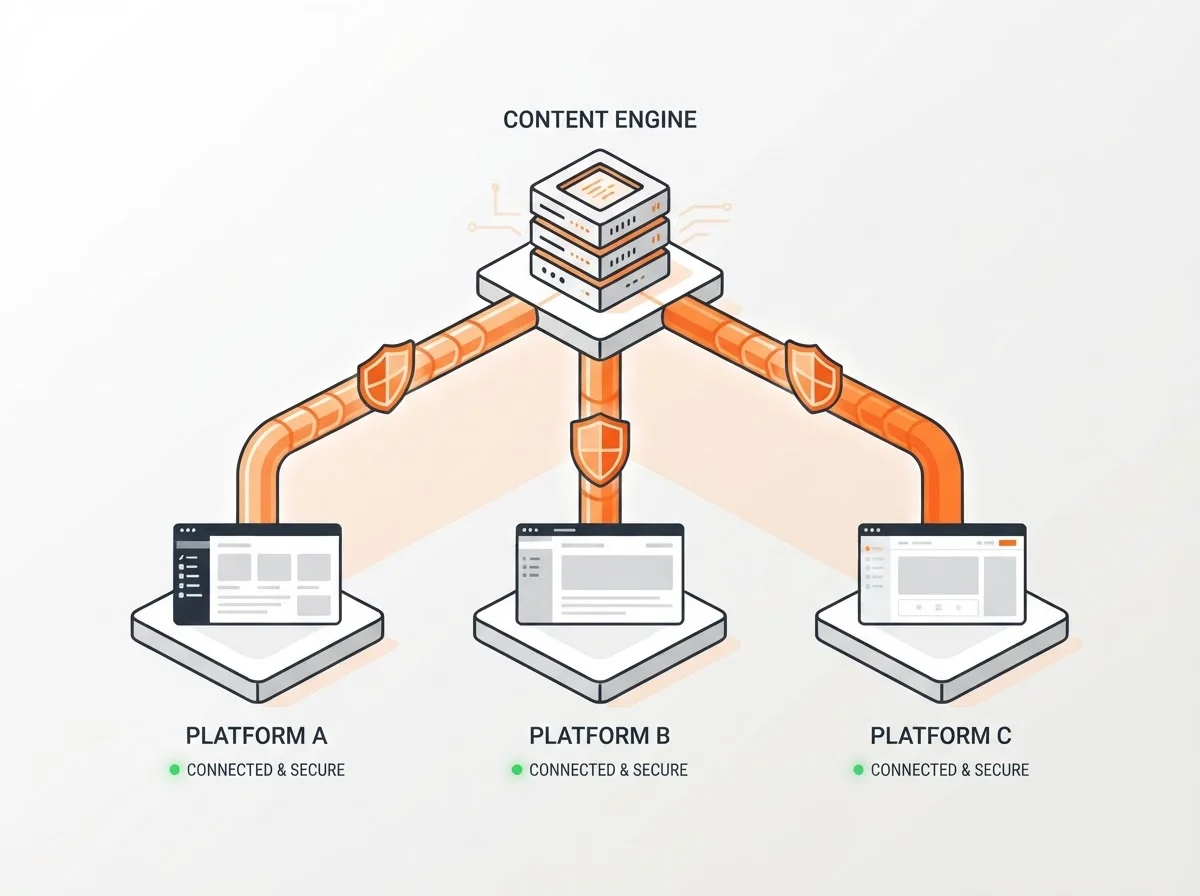
Technical friction often stalls marketing efforts. To avoid this, InnovateHub utilized the WordPress AI Blog Publishing integration. By using the Blogged Publishing plugin and an application password, they established a direct connection between the content engine and their self-hosted website. This allowed them to review articles in the Blogged dashboard and deliver them to their site with a single click.\n\nFor SaaS companies using different stacks, the platform offers significant flexibility. The Ghost AI Blog Publishing integration allows the system to manage content creation while Ghost renders the reader experience. Meanwhile, the Webflow CMS integration and Next.js connections allow founders to collect consented visits and configured conversions for every verified article. This technical agility ensures that a content strategy can scale across whatever tech stack best serves the company's growth goals.
Strategies for Sustainable Organic Traffic Growth
InnovateHub’s growth was driven by a strategic application of autonomous tools rather than random volume. They focused on three specific pillars: long-tail saturation, topical authority clusters, and frequency-driven discovery. By targeting niche, long-tail keywords, they captured high-intent traffic from users looking for specific technical solutions that broader competitors ignored.\n\nThey also used the autonomous engine to build topical clusters. Instead of writing a single generic article, they produced groups of articles covering every sub-facet of a topic. This deep coverage signals to search engines that the brand is a comprehensive authority. This structural relevance is a key driver for appearing in AI overviews and modern discovery engines, which reward sites that provide exhaustive, fact-grounded information on a specific subject.
Beyond Traffic: Impact on Lead Generation and Conversions
Traffic is only valuable if it converts into users. InnovateHub's autonomous strategy was designed to drive Product-Qualified Leads (PQLs). Because the content was built directly from the product's Knowledge Engine, every article naturally led the reader toward relevant features. Each autonomously generated post included calls-to-action (CTAs) that prompted users to explore the exact functionality discussed in the text.\n\nTo measure this impact, the team used the integrated tracking tools within Blogged. They monitored Search Console performance, lead outcomes, and overall lead growth directly from their dashboard. This visibility allowed them to identify which content clusters were driving the most conversions, enabling them to refine their strategy and double down on high-performing topics. By treating their blog as a conversion tool rather than just a traffic source, they maximized the ROI of their content efforts.
Frequently Asked Questions
Q: How much human time is required to manage an autonomous blog?\nA: The initial setup typically takes a few hours to populate the Knowledge Engine. After that, most founders spend 30 to 60 minutes per week reviewing and approving the content queue. Blogged includes unlimited team seats on paid plans, allowing product managers or marketers to assist in the review process.\n\nQ: Will search engines penalize me for using autonomous blogging?\nA: No. Search engines prioritize content that is helpful, accurate, and provides a good user experience. By grounding the AI in actual product facts via the Knowledge Engine, you ensure high-quality output that meets expertise and trustworthiness standards.\n\nQ: Can I integrate this with my existing tech stack?\nA: Yes. Blogged offers integrations for WordPress (via plugin and application password), Ghost (via Admin API key), Webflow, and Next.js, allowing you to publish directly to your current blog environment.\n\nQ: How are images and product screenshots handled?\nA: You can upload your screenshots and videos to a private asset library. The system allows for review queues and approvals to ensure every visual meets your brand standards before publishing.
The hypothetical success of InnovateHub serves as a blueprint for SaaS founders who feel trapped between building their product and marketing it. Organic growth no longer requires a massive editorial team or a heavy monthly spend on external writers. By adopting an autonomous blogging platform, founders can transform their existing product knowledge into a high-frequency growth engine. Whether you are aiming to dominate niche search terms or prepare for the era of AI-driven discovery, automation provides the scalability and technical precision needed to compete. The most efficient way to scale is to let your content work as hard as your code.
Get practical updates on saas founder organic traffic growth with autonomous blogging
Receive new articles and practical insights by email.