On this page
For SaaS founders, driving organic growth is a constant balancing act between building a product and sustaining a content engine that actually ranks. While most focus on high-volume publishing, a critical competitive advantage often lies in a technical detail that is frequently neglected: strategic internal linking. Internal links connect pages within your own website, guiding search engine crawlers and keeping users engaged with your brand story. Without a coherent internal link structure, even high-quality content can remain "orphaned," invisible to search engines and disconnected from the user journey.
Blogged's autonomous interlinking engine solves this by automating the discovery and implementation of these connections. By leveraging a deep understanding of your product through its Knowledge Engine, Blogged ensures your content is well-connected, making it easier for search engines to crawl and rank your site while simultaneously guiding users toward conversion. This transition from manual keyword-chasing to autonomous, semantic connection transforms a blog from a collection of articles into a unified authority on your industry niche.
The Evolution from Keyword Matching to Semantic Knowledge
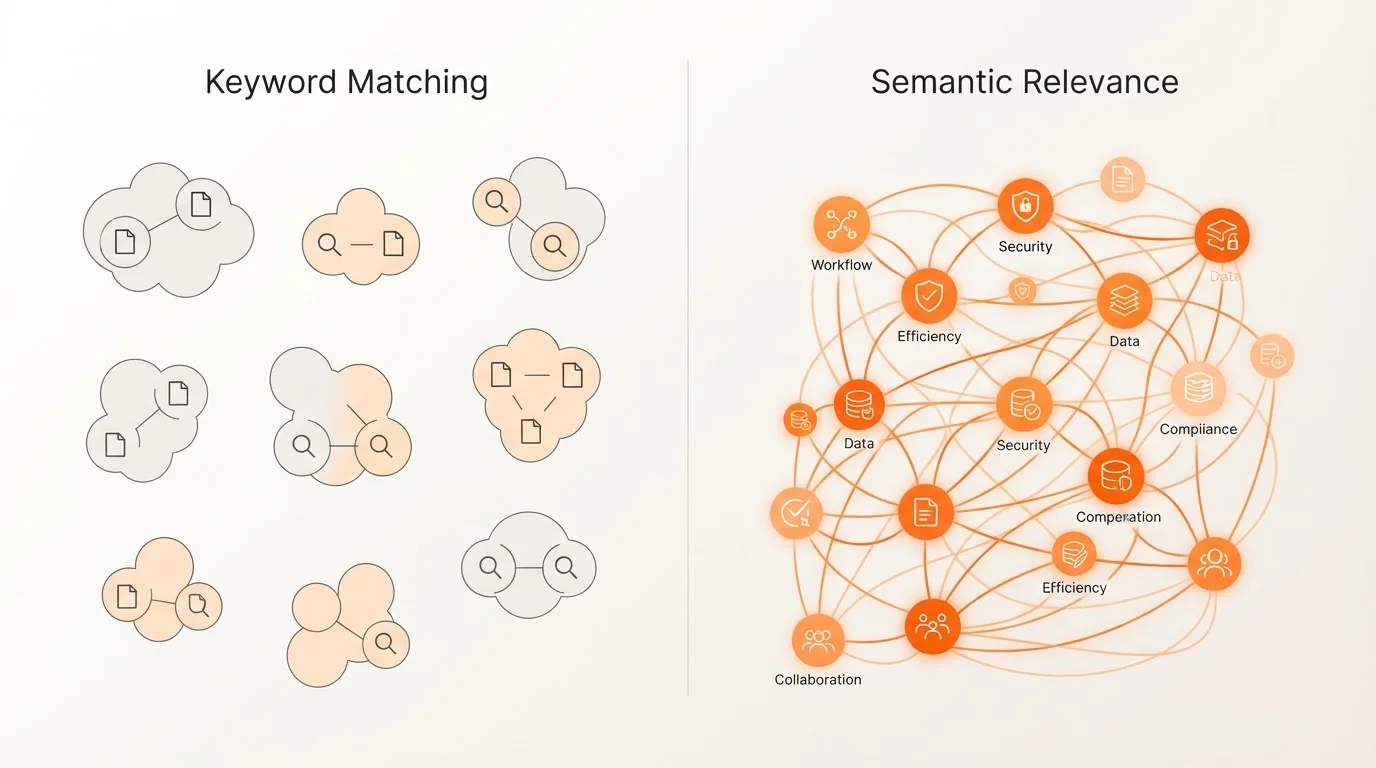
Traditional internal linking tools often rely on simple keyword matching. If the word "automation" appears in two separate posts, these legacy systems suggest a link regardless of the underlying context. However, this mechanical approach often misses the nuance of the reader's intent and can lead to a cluttered, irrelevant user experience that frustrates readers. Blogged takes a fundamentally different approach by prioritizing the context and relationship between ideas, ensuring that every link serves a specific educational or conversion-focused purpose.
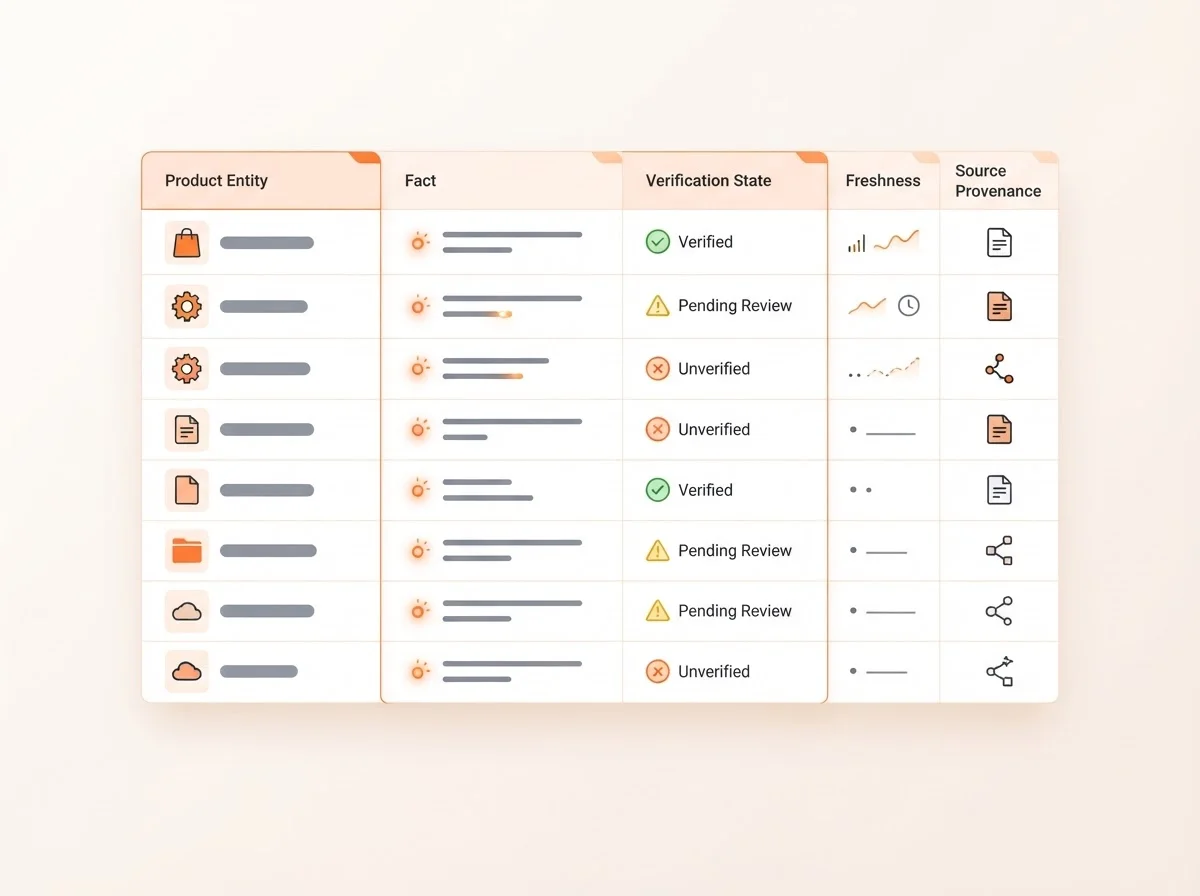
Unlike traditional methods, this engine leverages the Knowledge Engine for Autonomous SaaS Blogs, which organizes product, competitor, keyword, and source knowledge into bounded facts. These facts include provenance, verification state, and freshness controls to ensure that your links point to the most accurate and up-to-date information. By understanding the semantic meaning and factual context of your articles, the system identifies links based on conceptual relevance rather than mere word repetition. This ensures every link adds genuine value to the reader's journey by pointing them to a logical next step in their learning process.
Leveraging Bounded Facts for Strategic Connections
The engine allows founders to organize facts by product entity and facet, meaning the system can reuse specific context across all SaaS content. For example, if your SaaS offers a security feature, Blogged doesn't just link to every instance of the word "security." Instead, it identifies specific sections where a deeper dive into identity management or encryption adds value based on your documented product knowledge.
This system organizes your product description, ICP, and positioning so the engine can look for opportunities to strengthen clusters as your library grows. By grounding every link in a Fact Ledger, the platform ensures that your internal navigation reflects your actual product capabilities. This prevents the common problem of linking to outdated features or misaligned use cases, maintaining a high standard of editorial integrity even as your content scales.
Boosting Page Authority and Organic Rankings
In the eyes of search algorithms, an internal link is more than just a navigational shortcut; it is a signal of importance and hierarchy. When a page receives multiple internal links from other high-authority pages on your site, it indicates to search engines that the target page is a cornerstone of your expertise. This distribution of link equity is critical for SaaS companies competing for competitive industry keywords in crowded markets where every technical advantage counts.
By intelligently linking from a high-traffic tutorial to a lower-traffic feature page, Blogged helps elevate the visibility of your entire site structure. This prevents your most valuable product pages from being buried deep in your site's architecture where they might otherwise go unindexed. Key SEO benefits include improved topical authority, where connecting related articles demonstrates your comprehensive expertise in a specific niche to Google’s crawlers, proving that your site is a deep resource rather than a shallow collection of keywords.
Implementing the Pillar-Cluster Model on Autopilot
Most SEO experts recommend a pillar-cluster architecture, where one comprehensive "pillar" page links out to multiple specific "cluster" articles that explore sub-topics. Maintaining this manually is a logistical nightmare for a busy founder as the content library expands to hundreds of posts. Blogged's engine automates this structure by identifying your core product pillars and ensuring that every new piece of cluster content points back to the main authority piece.
Because the Autonomous Blog Publishing feature allows Full Autopilot to refill your topic queue from approved Content Directions, the interlinking engine is always working with fresh content. It ensures that as soon as a new article is published, it is immediately integrated into the existing internal link network. This creates a durable SaaS content plan that maintains its technical integrity and link-equity flow even as you scale your publishing frequency to several posts per week.
Improving User Experience and Dwell Time
While SEO is the primary driver for many founders, the impact on user engagement is equally significant for building a brand. Strategic internal linking is one of the most effective ways to keep readers on your site longer, effectively moving them through the marketing funnel. When readers find relevant, well-placed links within an article, they are more likely to explore further rather than bouncing back to the search results page.
Imagine a user reading about a specific pain point in their workflow. A well-timed link to a related use case or a technical deep dive keeps them on your site longer, transitioning them from a casual reader to an informed prospect. This direct navigation reduces bounce rates and signals to search engines that your content is satisfying user intent. Blogged focuses on contextual placement to ensure these links never feel intrusive or distracting, mimicking the touch of an expert human editor who knows exactly what the reader needs next.
Get practical updates on autonomous interlinking engine
Receive new articles and practical insights by email.
The Autonomous Interlinking Workflow
For many SaaS teams, the content bottleneck isn't just writing—it's the manual labor of SEO optimization and the fear of missing internal linking opportunities. Blogged removes this friction by making interlinking a native part of the creation process rather than an afterthought. The system scans your entire library of published content and product facts to find relevant connection points as it writes or optimizes an article.
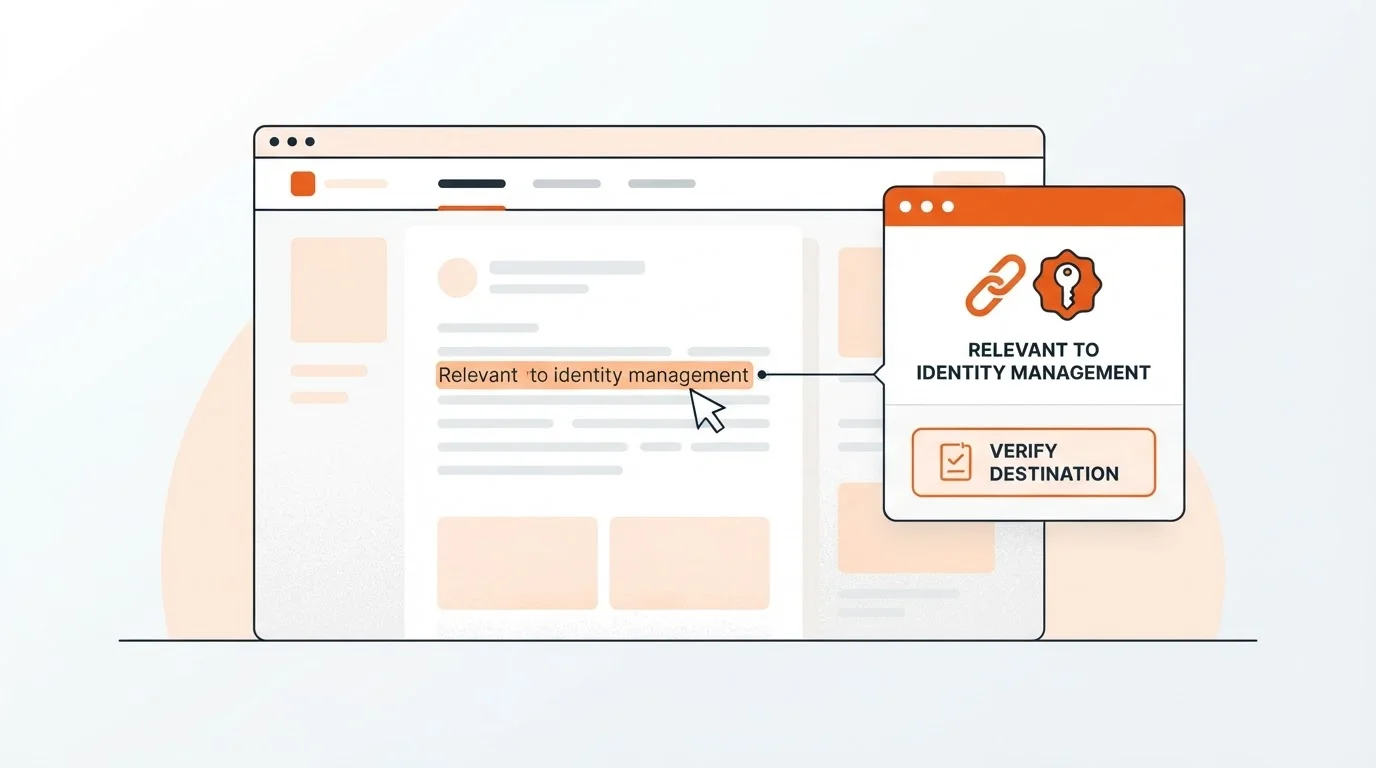
This ensures that the "brain" of your interlinking strategy is always synchronized with your latest product updates. During the editing phase, the platform presents you with verified destination links. It doesn't just suggest a URL; it highlights the anchor text and provides a logical reason for the connection. This process is supported by a collaborative environment that includes unlimited team seats on its plans, allowing product managers, marketers, and founders to participate in the review and approval process without friction.
Maintaining Full Editorial Control and Transparency
Even with high-level automation, control remains essential for maintaining a specific brand voice and strategy. Blogged verifies the destination, shows why it fits a specific section, and lets the editor insert or undo the link without leaving the post. This transparency ensures that you can always audit the logic behind a connection and ensure it aligns with your internal priorities.
If a suggested link doesn't align with your current marketing focus—perhaps it links to a feature you are currently sunsetting—removing it takes only a single click. This balance of autonomous suggestion and manual oversight keeps your editorial voice intact while removing the tedious hunting for relevant URLs. The result is a highly polished, interconnected blog that looks and feels like it was curated by a dedicated content strategist.
Integrations That Deliver Search Results
An interlinking engine is only as effective as its ability to sync with your live site. Blogged offers deep integrations with popular SaaS blogging platforms to ensure these links are published correctly every time. The WordPress AI Blog Publishing integration lets you create and review articles in Blogged, then deliver them to your self-hosted site through the Blogged Publishing plugin and an application password.
For teams using Ghost, the integration manages content creation and review by letting you create a custom integration in Ghost, copy the Admin API key, and verify the connection in Blogged. If you are building a custom frontend, the Next.js integration provides the same capability to collect engagement data. These integrations allow you to collect consented visits and configured conversions for verified articles, helping you track exactly how your internal links are driving traffic to your sign-up pages and core product features.
Frequently Asked Questions
Q: How many internal links should be in each blog post?
While there is no hard rule, many specialists recommend 3 to 5 contextual internal links per 1000 words. Blogged’s engine prioritizes quality and relevance over quantity, ensuring links are added only where they provide genuine value to the reader's understanding.
Q: Does automated interlinking risk a Google penalty?
No. Google rewards a well-structured site that helps users find information. Blogged's engine uses semantic relevance to mimic high-quality manual editing rather than spammy, repetitive link schemes.
Q: Can I edit the links the autonomous engine suggests?
Yes. Blogged provides full control. You can see why a link was suggested, verify the destination, and choose to insert, modify, or undo any suggestion directly within the platform's editor.
Q: Does the interlinking engine work with old content?
Yes. The system scans your existing knowledge base and published library. When you publish new content, it looks for opportunities to link from that new post back to your older cornerstone pieces and vice versa, keeping your entire library fresh.
Q: Does the platform support custom blogging platforms?
Yes. Beyond WordPress and Ghost, Blogged offers a Next.js integration and API options for teams building custom frontends who still want to leverage autonomous interlinking and content data collection.
In the competitive SaaS landscape, you cannot afford to have your best content sitting in silos. Strategic interlinking is the "force multiplier" that transforms individual blog posts into a high-authority content network. By automating this process through Blogged’s autonomous engine, you free your team from tedious manual SEO tasks while significantly improving crawlability and user engagement. If you are looking to scale your organic growth without sacrificing technical quality, it is time to move beyond manual keyword matching and embrace a knowledge-first approach to SEO. By turning your product knowledge into an interconnected web of authority, you ensure that every visitor—and every search engine crawler—understands the full depth of your solution.