
On this page
Building a SaaS product is a full-time commitment, yet organic growth remains a non-negotiable requirement for long-term success. For many founders, the content engine starts strong but quickly becomes a maintenance nightmare as the library grows. While writing is a significant hurdle, keeping that content connected and discoverable through strategic internal links is often what separates a high-ranking blog from a collection of forgotten pages. Automated content interlinking saas strategies remove the manual labor of SEO, ensuring your product-led content works as a unified system to capture search traffic and convert readers into users.
Why Internal Linking is the Foundation of Search Authority
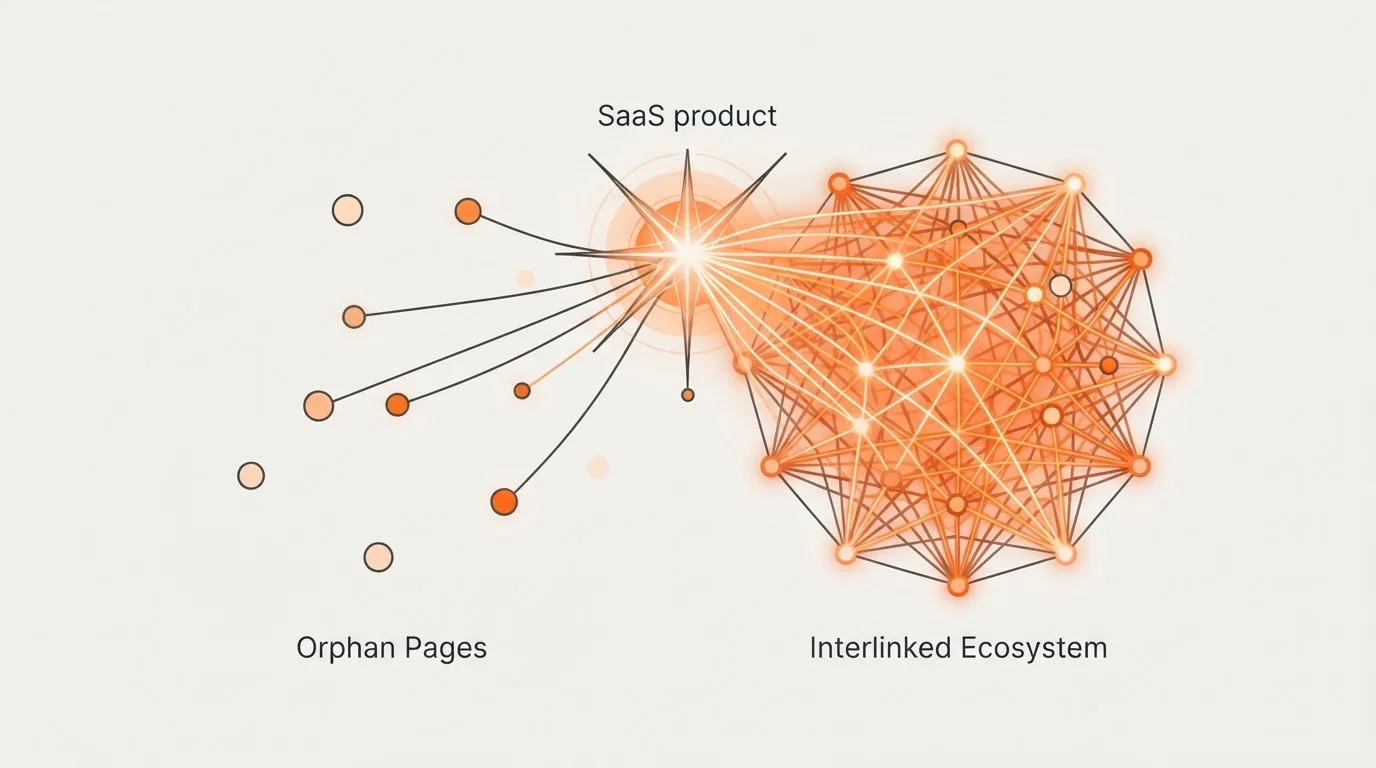
Interlinking is the process of connecting one page on your website to another, creating a roadmap for both users and search engines. In the context of SaaS SEO, these links serve as the infrastructure that search engines use to navigate your expertise and understand your site structure. Without a robust interlinking strategy, even your most valuable feature guides can become orphan pages—content with no internal links that search engine bots struggle to find, index, and rank.
Internal links distribute link equity across your domain. When a high-performing educational article links to a specific product feature page, it signals to search engines that the feature page is authoritative. Furthermore, interlinking improves the user journey by guiding prospects from top-of-funnel educational posts to bottom-of-funnel documentation, effectively shortening the path to conversion.
The Scalability Wall: Why Manual Interlinking Fails Growing Blogs
For a lean SaaS team, manual interlinking is an invisible time sink that scales poorly. As your library grows from 10 to 100 articles, the complexity of maintaining these connections increases exponentially. Every time you publish a new post, you must theoretically revisit dozens of old posts to see where a link to the new content might fit.
This creates several operational bottlenecks that hinder growth. Human editors often miss high-value anchor text opportunities or use generic phrases like "click here," which provide no SEO value for target keywords. Additionally, manual linking relies entirely on human memory; you cannot expect a small team to remember every relevant paragraph in a 200-post archive. Static manual links also lead to technical debt, as product features change or pages are retired, leaving your site with broken links that hurt your on-page seo efficiency.
Shifting to Autonomous SEO and Automated Interlinking
Automation transforms interlinking from a manual chore into a data-driven background process. Modern platforms like Blogged handle the entire lifecycle of a SaaS blog—from research and planning to autonomous optimization and publishing. By using an autonomous system, founders can ensure their blog maintains a logical structure without constant oversight.
These systems use semantic analysis to understand the relationship between different topics rather than just searching for exact keyword matches. AI-powered interlinking identifies conceptual connections, ensuring that a guide on "reducing churn" is automatically linked to a post about "customer success automation" even if the specific phrasing varies. This creates a semantic web that search engines favor, increasing the discoverability of your entire content library.
Leveraging a Knowledge Engine for Accuracy
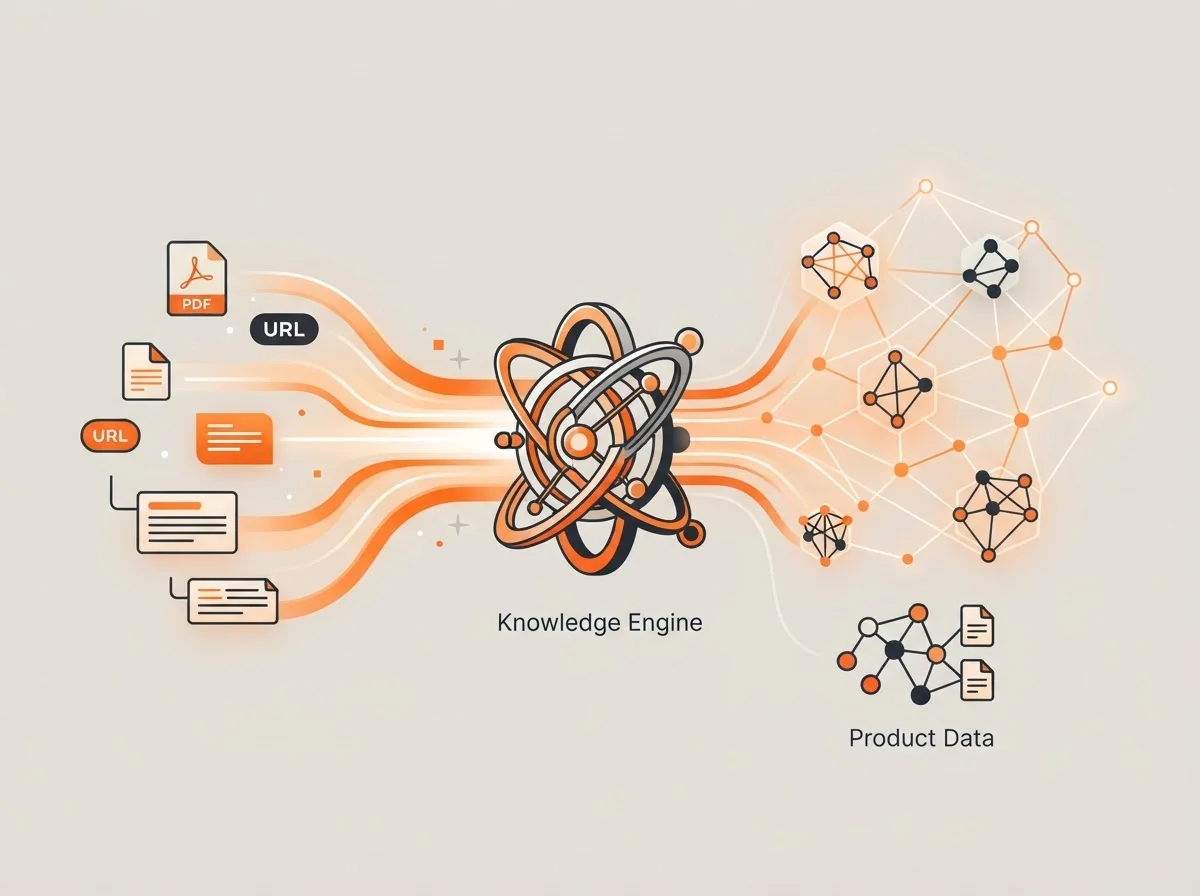
To automate SEO effectively, the system must understand your product deeply. Blogged's Knowledge Engine allows founders to feed the platform public product sources, uploaded documents, pasted links, or written product descriptions. This ensures that every automated link is contextually accurate and product-led.
When the system understands your product's unique value proposition, it can intelligently link problem-solution articles directly to the specific features that solve those problems. This creates a seamless bridge between educational content and product utility, ensuring your interlinking strategy automation actually drives business outcomes.
Manual vs. Automated Interlinking: A SaaS Comparison
Choosing between manual management and automation depends on your growth stage and available resources. Below is a comparison of how these two approaches impact your SEO operations and team efficiency.
Get practical updates on automated content interlinking saas
Receive new articles and practical insights by email.
| Feature | Manual Interlinking | Automated Interlinking (Blogged) |
|---|---|---|
| Setup Efficiency | High (recurring per post) | One-time Knowledge Engine setup |
| Scalability | Linear (gets harder as you grow) | Infinite (scales with content volume) |
| Accuracy | Subject to human memory error | Consistent semantic matching |
| Maintenance | Manual link audits required | Dynamic updates and self-healing |
| Team Access | Often limited by per-seat costs | Unlimited team seats included |
| CMS Support | Manual copy-pasting required | Native WordPress, Ghost, and Webflow |
Strategic Implementation: Maximizing Your Connected Ecosystem
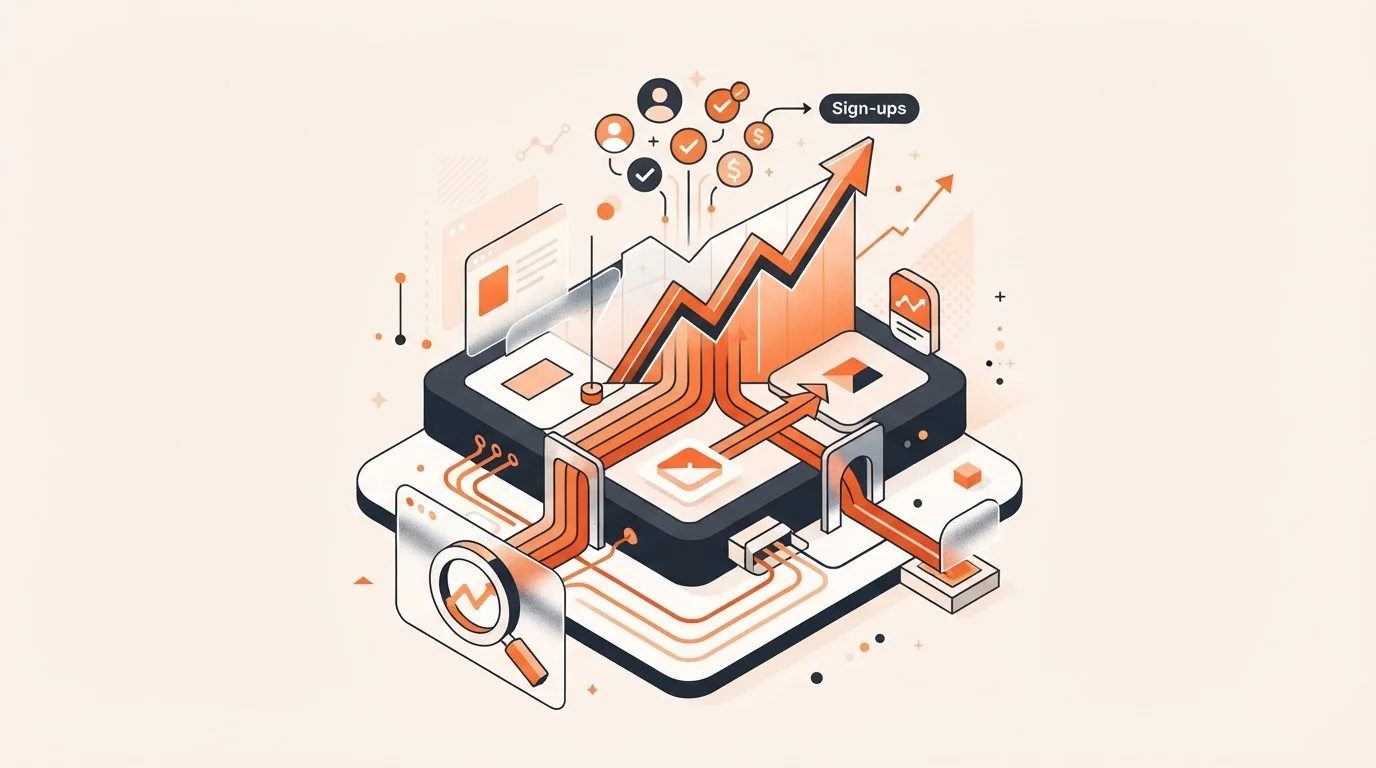
Automation works best when it follows a strategic framework. To maximize the impact of your seo automation for saas, prioritize links to your "money pages"—the feature descriptions and pricing guides that drive sign-ups. Ensure your automation uses descriptive, keyword-rich anchor text that tells search engines exactly what the destination page covers.
Beyond the links themselves, tracking performance is critical for refining your strategy. Blogged allows users to track Search Console performance, lead growth, and CTA outcomes directly within the platform. By monitoring these metrics, you can verify that your automated content ecosystem is successfully funneling traffic toward high-conversion pages.
Frequently Asked Questions
Q: How does automated interlinking affect my search rankings?
It improves rankings by ensuring search engine bots can easily crawl all your pages and by distributing link authority from high-performing posts to newer or more specific product content.
Q: Will automated links look natural to my readers?
Yes. Advanced platforms use semantic understanding to place links within relevant context, making them helpful for the reader rather than intrusive or spammy.
Q: Can I use automated interlinking with my existing CMS?
Yes. Blogged offers integrations for WordPress, Ghost, Webflow, and Next.js, allowing you to sync optimized, interlinked content directly to your current site via plugins or API keys.
Q: What is the cost of implementing this automation?
Blogged is listed at $99 per month, which includes the autonomous engine that handles research, writing, optimization, and interlinking.
For a SaaS founder, efficiency is the only way to compete. You cannot afford to spend hours on manual SEO tasks that can be handled more accurately by a machine. By adopting an automated content interlinking saas strategy, you ensure your blog remains a powerful organic growth engine that scales alongside your product. This blueprint allows you to move beyond the maintenance of broken links and orphan pages, letting you focus on building an exceptional product while your content works autonomously to drive growth.