
On this page
Bootstrapped SaaS founders face a persistent paradox: you need organic growth to survive, but the labor required to generate that growth often drains the very time you need to build the product. For many, the content marketing 'treadmill'—researching keywords, drafting articles, and managing publishing schedules—becomes a bottleneck that slows technical velocity. The traditional path involves either hiring expensive agencies or sacrificing weekends to write, neither of which is sustainable for a lean team.
However, a new model of growth has emerged. By shifting from manual content production to autonomous blogging, startups are now transforming their internal product knowledge into discoverable, high-conversion content. This approach doesn't just increase volume; it creates a durable search engine presence that reflects the founder's expertise without requiring their daily manual input. The result is a repeatable system that drives organic traffic while keeping the founding team focused on their core mission: building a world-class product.
The Founder’s Dilemma: The Hidden Cost of Manual Content
In the early stages of a bootstrapped SaaS, every hour has a high opportunity cost. When a founder spends five hours writing a single blog post, that is time stolen from feature development, customer success, or strategic pivots. This is the hidden cost of manual growth: it scales linearly with effort, creating a ceiling on how much visibility a startup can actually achieve.
Most founders start with a burst of enthusiasm, publishing several high-quality articles. Then, the 'content cliff' hits. Feature bugs arise, a key customer needs a demo, or technical debt requires a week-long sprint. The blog goes silent. In the eyes of search engines, this inconsistency is a signal of stagnation, leading to decaying rankings and lost momentum. The challenge isn't just writing; it's the sustained research, optimization, and internal linking required to compete in a crowded market.
What is Autonomous Blogging for SaaS?
Autonomous blogging is not merely generic AI writing. It is a structured system that uses product-led content strategies to drive organic growth through both SEO (Search Engine Optimization) and GEO (Generative Engine Optimization). Instead of starting with a blank page, an autonomous platform like Blogged uses your actual product data, documentation, and unique insights to generate articles that are technically accurate and contextually relevant.
This shift moves the founder from the role of 'Writer' to 'Editor-in-Chief.' The platform handles the heavy lifting of keyword research, topic planning, and SEO optimization, while the founder provides the high-level knowledge and performs the final review. This ensures that every piece of content published is a true reflection of the brand's expertise, designed to capture traffic from both traditional search engines and AI-driven discovery tools like Perplexity or ChatGPT.
Why Traditional Outsourcing Fails Bootstrapped Teams
Many founders attempt to solve this by hiring freelance writers. However, generic freelancers often lack the deep technical context of the product. The resulting content is often surface-level advice that fails to demonstrate product value or solve specific user pain points. For a bootstrapped startup, paying for content that doesn't convert is a luxury they cannot afford. Furthermore, managing writers requires its own form of labor: briefing, editing, and fact-checking, which often takes as much time as writing the piece yourself.
Building the Knowledge Engine for Product-Led Content
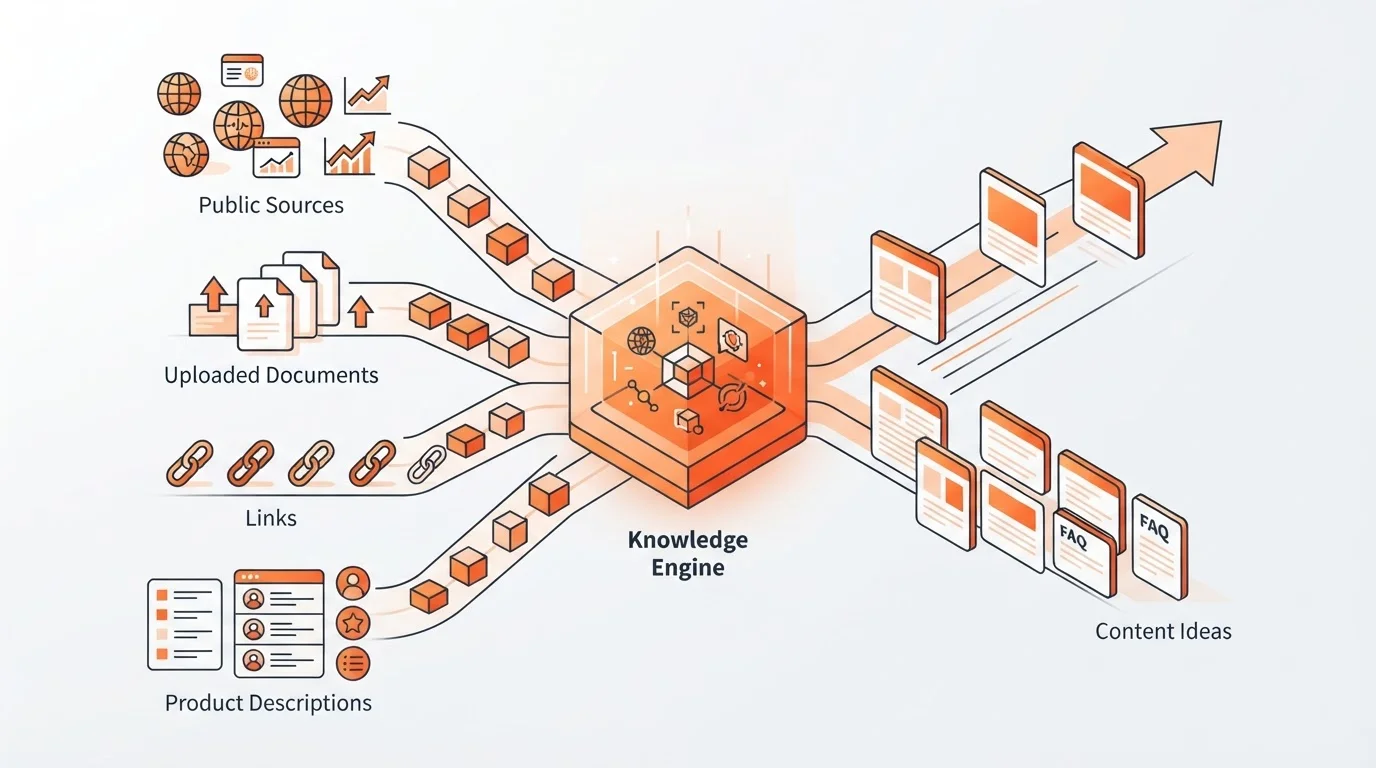
The foundation of a successful autonomous content strategy is a robust Knowledge Engine. For a bootstrapped startup to achieve significant growth, content must be deeply rooted in the product's unique value proposition. Blogged’s Knowledge Engine for Autonomous SaaS Blogs lets founders provide product information through multiple channels, including public sources, uploaded documents, pasted links, or a written product description.
By centralizing this data, the platform understands the 'why' behind your features. Instead of writing generic posts, the system can generate specific articles that address how your product solves native integration problems or automates complex workflows. This product-led approach ensures that the traffic you attract is high-intent and ready to convert because it is based on the reality of your software.
Organizing Facts for Technical Accuracy
To maintain high quality, Blogged lets users organize facts by product entity and facet. This level of structure prevents the AI from generating 'fluff' or making inaccurate claims. By defining specific facets—such as pricing models, technical limitations, or core user benefits—you ensure that every generated article adheres to your actual business reality. This is critical for building trust with sophisticated B2B buyers who can spot inaccurate or generic claims from a mile away.
Establishing Consistency with Autopilot Planning
Consistency is a primary driver of organic growth. Search engines reward domains that publish high-quality content on a predictable schedule. However, for a small team, planning a three-month editorial calendar is a daunting task. This is where autonomous planning changes the game.
Blogged lets users build a durable SaaS content plan, publish on their cadence, and let Full Autopilot refill a short Topic queue from approved Content Directions. This means you only need to define your strategic themes, and the system takes care of the rest. If you want to own a specific niche, the Autopilot identifies relevant, low-competition keywords and adds them to your publishing queue automatically.
Get practical updates on saas founder bootstrapped organic growth
Receive new articles and practical insights by email.
Seamless Integration and Automated Distribution
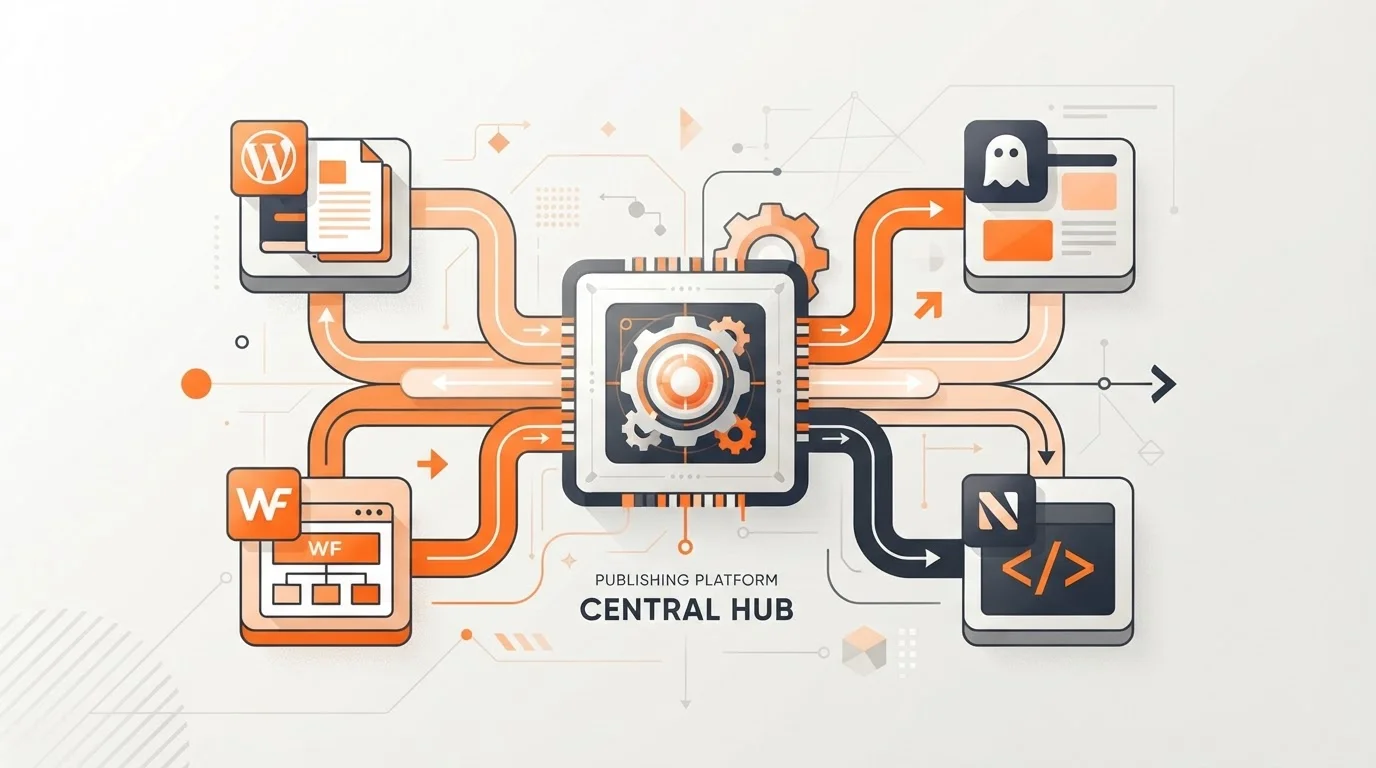
A content strategy is only as good as its delivery. For a bootstrapped founder, setting up a complex CMS or manually formatting articles is another time-sink. Autonomous blogging platforms solve this by integrating directly into your existing stack. Whether you use WordPress, Ghost, or a modern headless setup, the publishing process should be a one-click affair.
Blogged's WordPress AI Blog Publishing integration lets users create and review articles in Blogged, then deliver them to their WordPress website. For founders who prefer a more minimalist experience, Blogged's Ghost AI Blog Publishing integration manages content creation and review while Ghost renders the reader experience. These integrations ensure that your blog looks professional and stays updated without manual CSS tweaking or formatting headaches.
Extending Visibility to Custom Frameworks
For startups building on modern stacks, Blogged’s Next.js AI Blog Publishing integration and Webflow CMS integration allow founders to collect consented visits and configured conversions for verified articles. This ensures that your content is not just living on a subdomain, but is a fully integrated part of your marketing site, contributing directly to your SEO authority and lead generation goals. You can even connect to self-hosted WordPress through the Blogged Publishing plugin and an application password for secure, automated delivery.
Measuring Impact: Beyond Pageviews
While traffic growth is important, the true value of autonomous blogging lies in lead generation and customer acquisition. By tracking Search Console performance, homepage engagement, and CTA outcomes directly within the platform, founders can see exactly which articles are driving sign-ups, not just pageviews.
For a bootstrapped startup, this data is gold. It allows you to refine your product roadmap based on what your potential customers are searching for. The autonomous system creates a feedback loop between marketing and product development that manual blogging rarely achieves. Blogged tracks on-site searches, lead growth, and reader feedback to ensure every post contributes to the bottom line.
Frequently Asked Questions
Q: How does autonomous blogging handle SEO and GEO differently?
SEO focuses on traditional search engine rankings through keywords and links, while GEO (Generative Engine Optimization) optimizes content to be cited by AI tools. Blogged handles both by creating structured, fact-rich content that these engines prefer.
Q: Does an autonomous blog mean I never have to write again?
The system handles research, drafting, and optimization. However, a review phase ensures the tone matches your brand and the technical details are accurate. You become the editor rather than the primary writer.
Q: How many team members can use the platform?
Blogged includes unlimited team seats on its paid plans, allowing product managers, marketers, and founders to collaborate on the review process without additional costs.
Q: Can I integrate this with my existing site?
Yes. Blogged connects to WordPress, Ghost, Webflow, and Next.js, and offers a signed Webhook and Content API for custom implementations.
Conclusion
Achieving sustainable organic growth as a bootstrapped founder requires working smarter. By leveraging autonomous blogging, you transform your product knowledge into a continuous engine for customer acquisition. This approach solves the consistency problem, reduces the cost of growth, and gives you back the time to build the product your customers love. The future of SaaS marketing is product-led and autonomous; embracing this shift allows you to compete with larger teams without the overhead.