
On this page
For SaaS founders, the path to organic growth often feels like an uphill battle against established giants. The traditional approach involves competing for high-volume keywords like "project management software" or "CRM tools," where incumbents have spent a decade building backlink profiles that are nearly impossible to match on a startup budget. This competitive arena is what strategists call a "red ocean"—a space where high competition and thin margins make it difficult for new products to gain visibility. However, the real opportunity for sustainable growth often lies in underserved niche clusters where competition is low and buyer intent is exceptionally high.
Dominating these specific keywords requires more than just high-frequency publishing; it requires a systematic approach to competitive intelligence. You must identify exactly where your rivals are falling short and capitalize on those content gaps in real-time. This is the strategic shift that allowed a hypothetical SaaS startup, InnovateCo, to transform their blog from a stagnant expense into a self-sustaining discovery engine. By moving away from manual content production and leveraging autonomous tools, they were able to secure market leadership in highly specific technical segments.
InnovateCo journey illustrates how the combination of autonomous blogging and advanced competitor monitoring can bridge the gap between product innovation and market discovery. Instead of spending their limited time writing blog posts, the founders focused on building their product while an autonomous system handled the research, planning, optimization, and publishing. This article explores the mechanics of that success and provides a blueprint for founders seeking to replicate these results through a product-led content strategy.
The Strategic Hurdle: Why Traditional SaaS Content Fails
Many SaaS founders fall into the "volume trap," believing that simply publishing more content will eventually lead to organic success. While consistency is vital, the burden of sustaining a high-frequency, high-quality content schedule is often insurmountable for lean product teams. When founders try to manage content manually, they frequently face a recurring set of bottlenecks that stall growth and waste resources.
First, there is the challenge of manual research. Identifying keywords that actually convert requires deep analysis of search intent, which is often missed by generic SEO tools. Traditional tools frequently report "zero search volume" for highly specific B2B queries, leading teams to ignore the very terms that their ideal customers are using to find solutions. Second, the cost of high-quality content is substantial. Hiring specialized technical writers who understand your product nuance is both expensive and time-consuming, often requiring multiple rounds of revisions to ensure technical accuracy.
Finally, there is the issue of content relevance. Generic AI-generated content often lacks the product-led depth required to convert a reader into a trial user. For a blog to drive revenue, it must demonstrate a deep understanding of the user pain points and how the specific product solves them. Without an autonomous system that can ingest your product documentation and competitive data, maintaining this level of depth at scale is nearly impossible while also building the product itself.
Autonomous Intelligence: The Core of Niche Keyword Dominance

To overcome these challenges, InnovateCo adopted Blogged, an autonomous SEO and GEO platform designed specifically for the SaaS ecosystem. The goal was to move beyond the manual grind and create a content pipeline that was both technically accurate and strategically targeted. The foundation of this new strategy was the Competitor Blog Watch feature.
Competitor Blog Watch acts as a persistent scout, systematically monitoring rival blogs to identify the topics they are discussing—and, more importantly, the topics they are ignoring. For SaaS companies, competitive gaps are often found in semantic clusters. For example, while a competitor might write extensively about "team collaboration," they may completely ignore the technical challenges of "integrating real-time data sync for renewable energy sensors." These semantic gaps represent low-competition, high-intent opportunities for a focused SaaS product.
By leveraging the Knowledge Engine, InnovateCo was able to provide the autonomous platform with public product sources, uploaded documentation, and specific product descriptions. This ensured that every article generated was deeply rooted in their unique value proposition rather than generic industry filler. The result was a content strategy that was technically authoritative enough to satisfy developers and strategic enough to capture underserved search traffic.
A Hypothetical Workflow for Dominating Niche Segments
The success of InnovateCo serves as a model for how a three-phase autonomous workflow can replace a manual content operations team. This process allows founders to maintain a dominant presence in search results with minimal ongoing effort.
Identifying Content Blind Spots
Using Competitor Blog Watch, the system identifies specific problems and pain points that rivals are discussing. It analyzes the actual semantic content of their blogs rather than just historical keyword data, which often lags in the fast-moving SaaS sector. This allows the platform to identify high-intent "zero volume" keywords before they appear in standard SEO databases. By flagging these gaps, the system suggests targeted articles that address specific vertical needs the competition has overlooked.
Synthesizing Technical Product Knowledge
Once a gap is identified, the platform uses the Knowledge Engine to generate a draft that is product-led. Instead of hiring a generalist freelancer who might struggle with technical nuance, the platform synthesizes data directly from your API documentation and feature release notes. This ensures that the content provides genuine value to the reader, explaining exactly how your product solves their technical problem. This approach satisfies both traditional search engine algorithms and modern AI discovery tools, which reward specific, useful information over generic volume.
Autonomous Publishing and Integration
The final phase involves seamless delivery to the reader. Blogged supports native integrations for several popular CMS platforms, allowing the content to be published without manual copy-pasting. For example, the WordPress AI Blog Publishing integration connects through a dedicated plugin and application password. This allows founders to review, optimize, and publish content directly from the Blogged dashboard, maintaining a consistent publishing frequency even during heavy product development cycles.
Get practical updates on saas competitor blog watch niche keywords
Receive new articles and practical insights by email.
Strategic Comparison: Traditional vs. Autonomous Content Operations
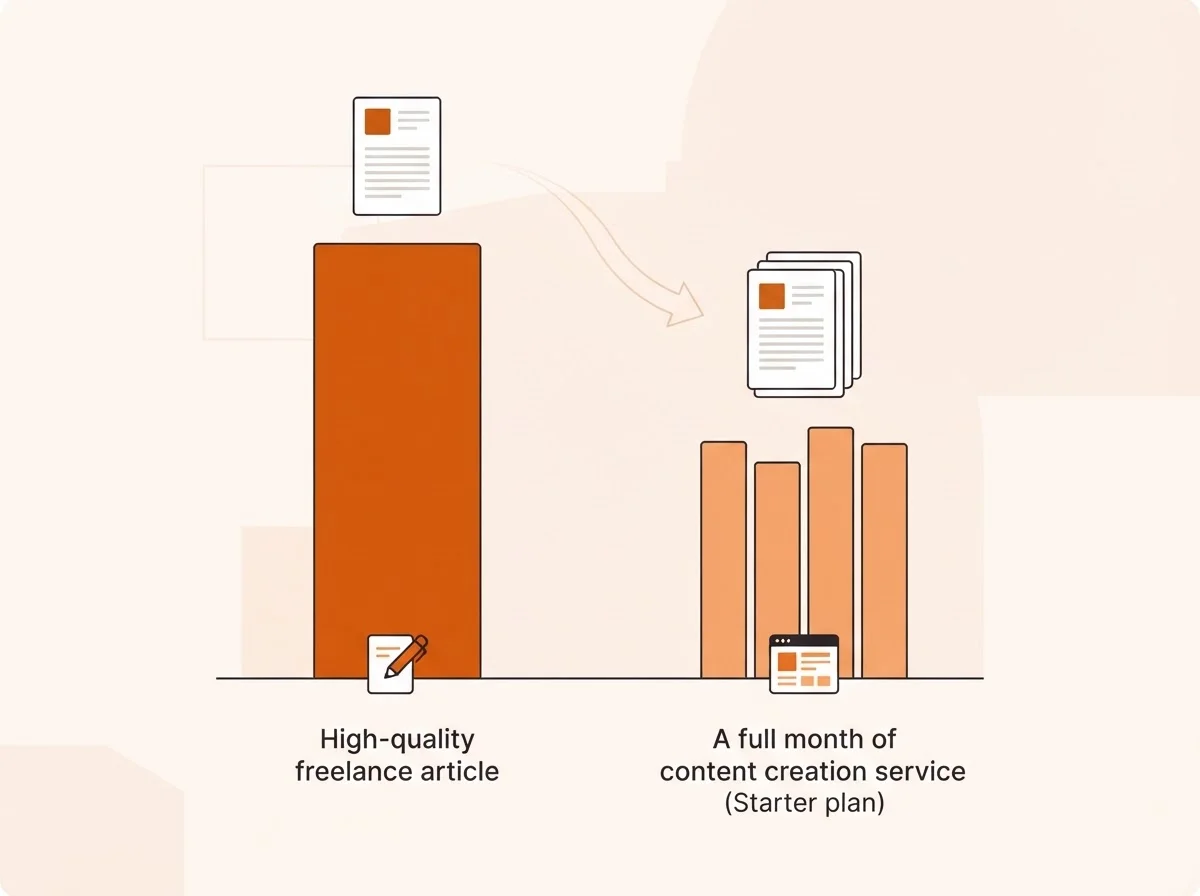
Transitioning from manual content creation to an autonomous platform fundamentally changes the unit economics of SaaS growth. Below is a comparison of the traditional agency-led or manual model versus the autonomous approach used by successful founders.
| Feature | Manual Content Strategy | Blogged Autonomous Platform |
|---|---|---|
| Monthly Cost | High (Freelancers or Agencies) | $99 - $229 |
| Research Method | Manual Keyword Tools | Competitor Blog Watch (Automated) |
| Content Source | Writer Interviews & Briefs | Knowledge Engine (Docs/Links/API) |
| Publishing Speed | Days or Weeks per Article | Minutes (Draft to Review) |
| SEO/GEO Optimization | Manual Tagging & Linking | Autonomous (Internal Links/GEO-ready) |
| CMS Distribution | Manual Formatting & Upload | Ghost, WordPress, Webflow, Next.js |
| Tracking | Often Disconnected | Consented Visits & Conversions |
Technical Integrations: Building a Seamless Discovery Pipeline
For an autonomous content strategy to be effective, it must integrate cleanly with the existing technical architecture of the SaaS product. Blogged provides several integration pathways to ensure that founders can maintain their preferred reader experience while automating the backend work.
- Ghost AI Blog Publishing: By creating a custom integration in Ghost and using an Admin API key, users can manage the entire creation and review process within Blogged while Ghost handles the rendering. This integration is particularly useful for teams who want to collect consented visits and configured conversions for every verified article.
- WordPress Integration: The Blogged Publishing plugin enables a direct connection to self-hosted WordPress sites through an application password. Articles are delivered with internal linking and SEO optimizations already in place, reducing the time from draft to live publication.
- Webflow & Next.js: For products built on modern frontend frameworks, Blogged’s integrations for Webflow and Next.js provide the same tracking of conversions and visits. This ensures that the success of the blog is measurable at the bottom of the funnel, tracking how many readers eventually become paying users.
The Economics of Niche Dominance: Time and ROI
For a SaaS founder, the most valuable asset is time. Manual content management often consumes a significant portion of the work week—time that could be spent on engineering, customer success, or product strategy. By delegating the research, writing, and publishing to Blogged Autopilot, founders can reclaim this time without sacrificing their organic growth trajectory.
The financial ROI is similarly compelling. With Blogged Starter at $99 per month, the platform costs less than a single high-quality freelance article. As a company scales and requires higher topical authority, they can transition to the Growth plan at $169 per month or the Ultra Growth plan at $229 per month. These plans allow for higher volume and more frequent revisions, with 3 revisions per article on higher tiers, enabling the startup to maintain a dominant presence across dozens of niche keyword clusters that competitors simply cannot afford to target manually.
Frequently Asked Questions
Q: How does Competitor Blog Watch identify keywords that traditional tools miss?
Traditional SEO tools rely on historical search data, which often lags for emerging SaaS trends. Competitor Blog Watch analyzes the actual semantic content and pain points discussed on your rivals' blogs in real-time. This allows you to find high-intent, "zero volume" keywords that represent immediate problems your target audience is trying to solve.
Q: Does autonomous blogging negatively impact SEO quality?
No, if you use a product-led approach. Blogged uses the Knowledge Engine to base content on your actual product documentation and API links. This avoids the generic feel of basic AI tools and provides the specific, useful value that search engines and AI discovery platforms now reward.
Q: Can I review the content before it is published?
Yes. Blogged includes a built-in editor and review process. You can set the system to Autopilot for research and drafting, then perform a final verification before the content is pushed to your CMS via your chosen integration.
Q: What happens if I use a custom-built frontend like Next.js?
Blogged offers a Next.js integration that allows you to collect consented visits and track conversions. This ensures that even with a headless CMS or custom frontend, you can still measure the direct impact of your autonomous content on your bottom line.
Dominating niche keywords is not about outspending the competition; it is about out-maneuvering them with superior intelligence and operational efficiency. By leveraging autonomous tools like Competitor Blog Watch, SaaS founders can bypass the typical hurdles of content marketing—high costs, manual labor, and generic output. The journey of companies like InnovateCo proves that even a small, founder-led team can establish massive topical authority and drive sustainable organic growth. If you are ready to stop fighting for vanity metrics and start owning your niche, it is time to put your SaaS blog on Autopilot.