
On this page
For many SaaS founders, the definition of search success is still tied to the traditional ten blue links. However, the modern Search Engine Results Page (SERP) is now a dynamic interface where AI Overviews, featured snippets, and knowledge panels often satisfy a user's query before they ever click through to a website. To maintain organic growth, your SEO strategy must evolve from simple keyword ranking to dominating SERP real estate.
This shift requires moving beyond basic content creation and toward intentional optimization for visual and interactive features. By positioning your software as the primary source of truth for specific queries, you build immediate authority with potential customers. The goal is no longer just to be found; it is to be verified as the definitive answer by the search engine itself.
Understanding the Evolution of Search Discovery
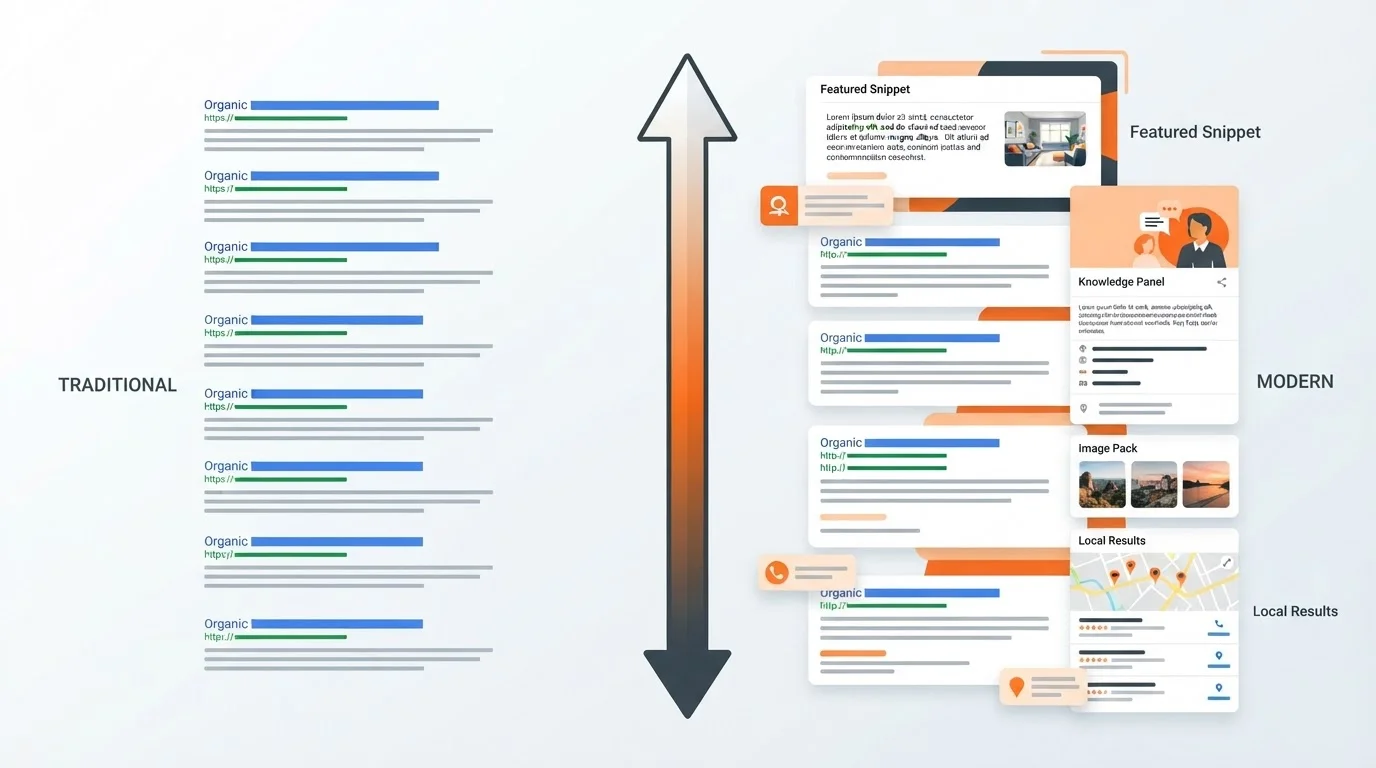
SERP features are specialized elements that provide enhanced information or immediate answers directly within search results. For SaaS companies, these features are high-leverage opportunities to showcase product capabilities and brand expertise. When a search engine pulls a snippet of your content to answer a query, it provides a level of third-party validation that a standard organic listing cannot match.
Optimizing for these features manually is often a significant burden for small teams. Blogged’s Autonomous Blog Publishing for SaaS addresses this by automating the entire content loop, from initial research to final publishing. By ensuring content is consistently structured and technically sound, the platform helps founders maintain visibility without being bogged down in the minutiae of SEO formatting.
Capturing Featured Snippets: The SaaS 'Position 0' Strategy
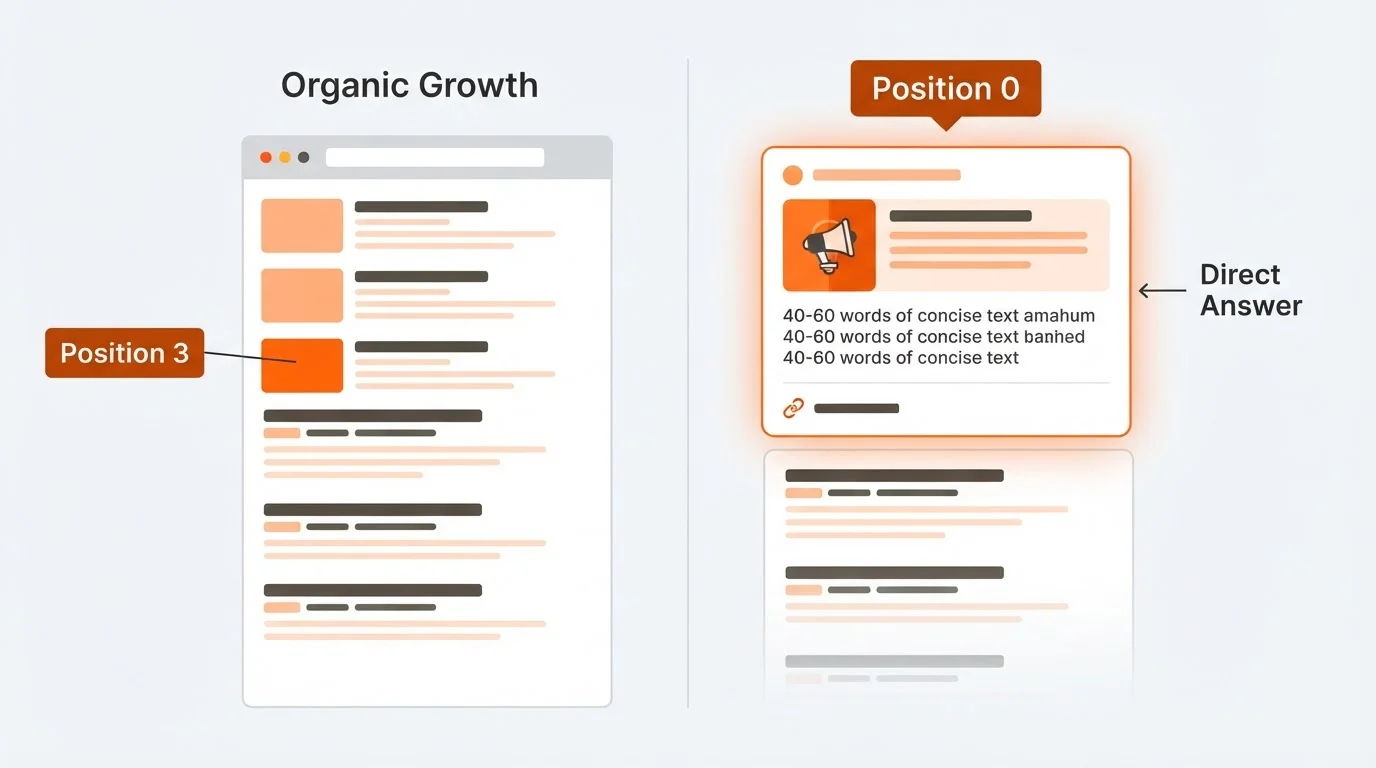
Featured snippets, frequently referred to as "Position 0," sit above the first organic result. They typically appear for informational queries where a user is looking for a definition, a list of steps, or a comparison. For a SaaS product, winning this slot for a problem-solving query—such as "how to automate payroll" or "benefits of headless CMS"—positions your brand as the industry leader.
To capture these snippets, you must provide direct, punchy answers. Paragraph snippets are typically between 40 and 60 words, so your content should lead with a concise explanation immediately following a relevant H2 or H3 heading. Following this with a deeper explanation satisfies both the user’s need for speed and the search engine's need for depth. Blogged allows users to build a durable SaaS content plan, where Autopilot refills the topic queue based on these high-opportunity directions, ensuring you are always targeting new snippet opportunities.
The Strategic Value of Knowledge Panels
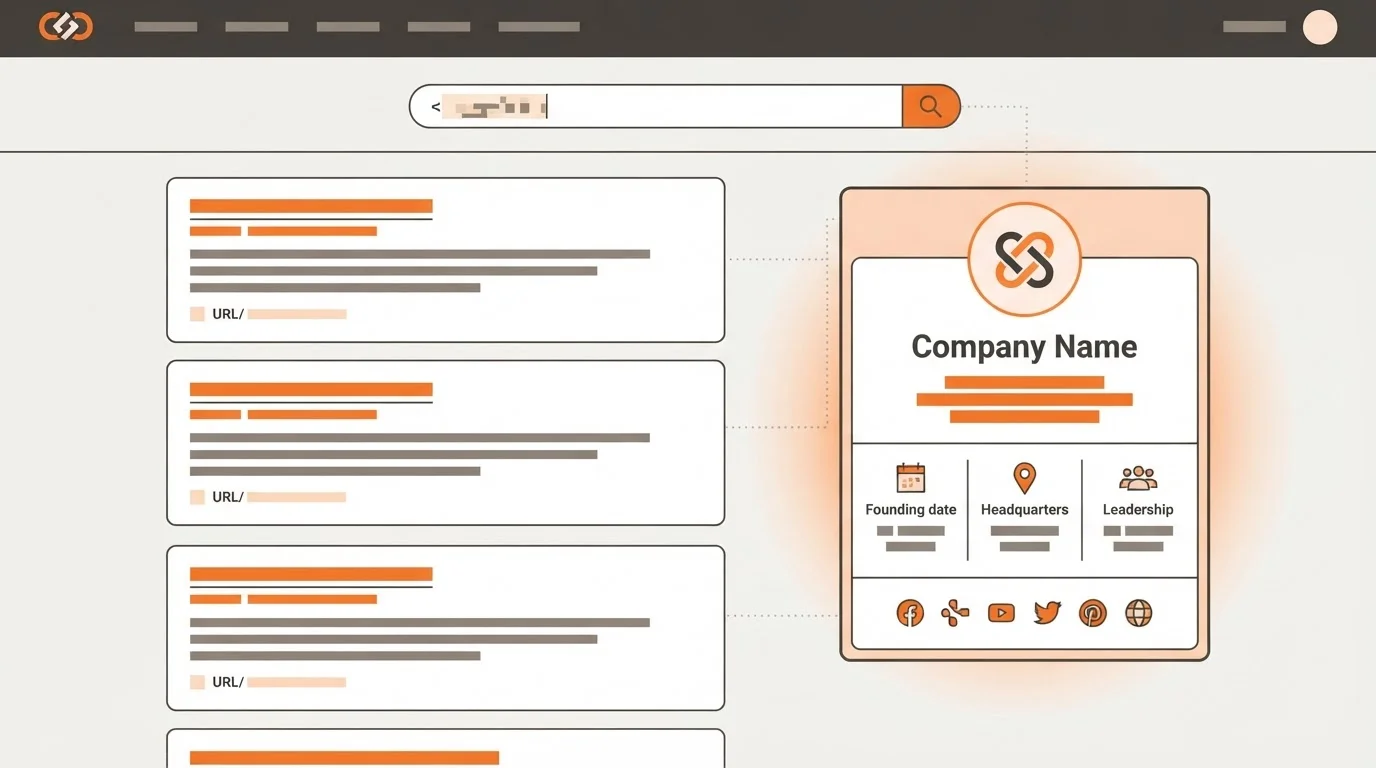
Knowledge Panels provide a detailed summary of a business or entity on the right side of desktop search results. They serve as a critical trust signal during the late consideration stage of the buyer journey. Even for purely digital SaaS products, having a verified entity helps search engines understand who you are, what you build, and who you serve.
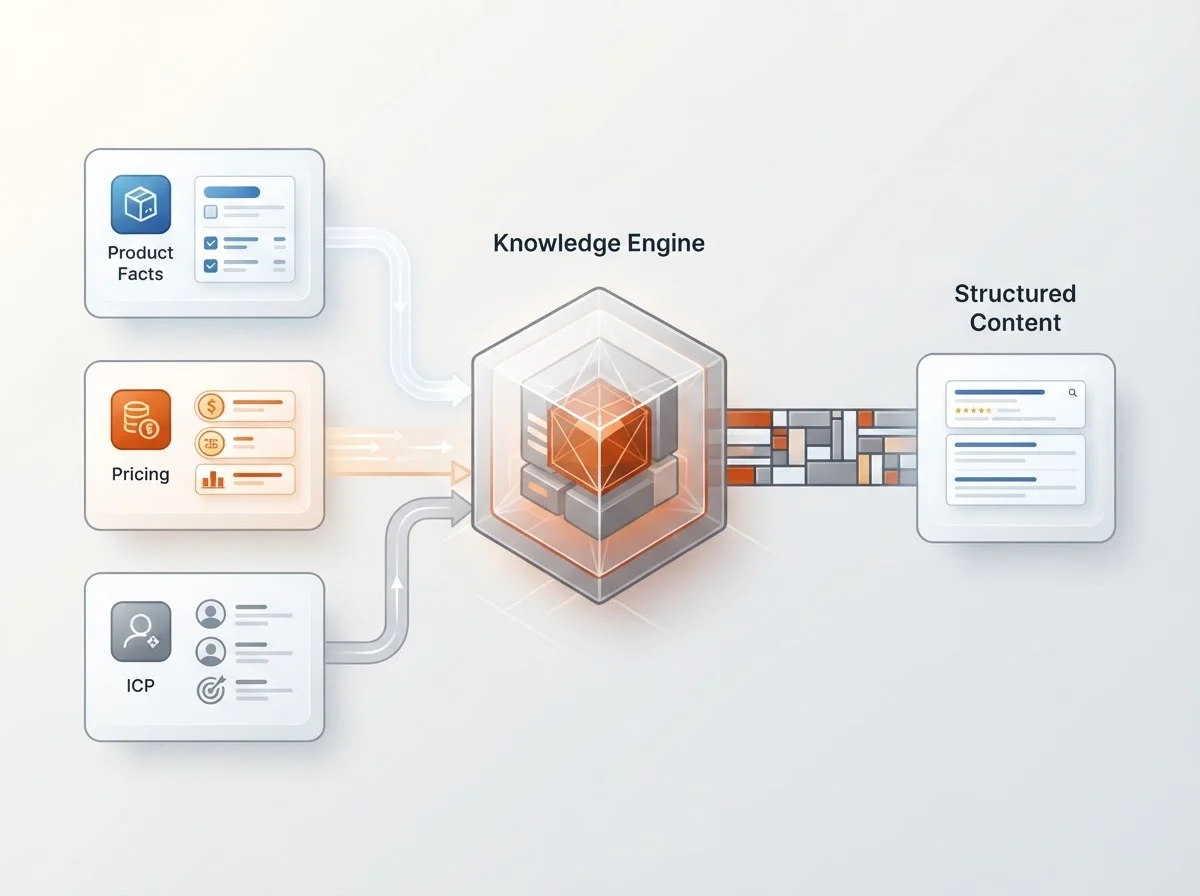
One effective tactic is to map competitor features to the queries they attempt to own, identifying gaps where your product can stand out. Consistency is key to maintaining this entity authority. Blogged’s Knowledge Engine organizes product, competitor, and keyword facts into verified records. This ensures that every piece of content the platform generates is grounded in a centralized source of truth, preventing the brand dilution that often occurs with outsourced or manual writing.
Leveraging Structured Data for Rich Results
Structured data, implemented via JSON-LD, acts as a machine-readable map of your website for search engines. It allows you to feed specific details—like software category, pricing, and ratings—directly into the search results, creating "rich results" that stand out from flat text. For SaaS, this means your listing can display star ratings or subscription tiers directly on the SERP.
Key schema types include SoftwareApplication, which defines your product's purpose, and Product & Offer schema for pricing clarity. While visible FAQ dropdowns have become less common, FAQPage schema remains a vital citation signal for AI assistants like Gemini or ChatGPT. Blogged lets users organize their product description, ICP, and pricing so this context is reused across all content, ensuring technical SEO is baked into every page without requiring manual coding for every new post.
Visual Authority: Assets and Alt Text
Modern search results are increasingly visual, pulling images into galleries and rich snippets. For a software company, your product screenshots are your best selling point. However, search engines need context to understand what these images represent. Optimizing alt text and image filenames is a fundamental but often neglected step in SaaS SEO.
To streamline this, Blogged lets users manage a private SaaS product asset library with review queues and visible approvals. This allows your team to upload high-quality product visuals once and ensure they are deployed across your blog with optimized metadata. This creates a cohesive visual brand presence that helps your product appear in Image Packs and related visual search features, driving discovery through more than just text.
Building Authority Through Internal Context
A site’s internal link structure tells search engines which pages are most important. For SaaS blogs, linking from broad educational posts to specific product features helps pass authority and context. This signaling is essential for winning SERP features, as Google prioritizes sites that demonstrate a clear, logical hierarchy of information.
Maintaining this structure can be difficult as a blog scales. Blogged’s internal linking tool verifies destinations and shows why a link fits a specific section, allowing you to build a dense web of relevance. By automating the placement of these links, you ensure that your most important product pages are always supported by your latest educational content, reinforcing your authority to search crawlers.
Frequently Asked Questions About SaaS SERP Features
Q: What is the most important SERP feature for a new SaaS?
Featured Snippets for "how-to" and informational queries are often the easiest way for new products to gain immediate authority and skip past established competitors.
Q: Does FAQ schema still help with SEO?
Yes. While it may not always show as a dropdown, valid schema helps AI engines and search crawlers categorize your content as a primary source for answering user questions.
Q: How long should a paragraph be for a featured snippet?
Aim for 40 to 60 words to provide a direct answer that fits the standard snippet block size.
Q: Can I automate the technical side of SERP optimization?
Yes. Platforms like Blogged handle the structured data, internal linking, and content formatting required to satisfy search engines, letting you focus on the product.
Dominating the SaaS search market requires moving beyond a simple list of keywords. By optimizing for featured snippets, building entity authority through knowledge panels, and leveraging structured data, you can capture high-intent traffic in an increasingly visual search environment. The key is to transform your product knowledge into a structured, machine-readable asset that search engines can easily cite. Use automation to maintain this consistency, ensuring your SaaS remains discoverable as the search market continues to evolve.