
On this page
For most SaaS founders, the bottleneck to growth isn't a lack of product knowledge—it's the exhaustion of turning that knowledge into discoverable content. Global search competition is fierce, and generic keywords often lead to high bounce rates from users who need localized solutions. Geo blogging offers a more surgical approach. Instead of shouting into a global void, you can plant a flag in specific markets where your product solves unique local problems. By addressing regional compliance laws, local industry trends, or geographic pain points, you capture highly qualified traffic that broad-market competitors often overlook. In an era where search engines reward relevance over sheer volume, localized content serves as a high-leverage tool for market expansion.
What is Geo Blogging and Why It Matters for SaaS
Geo blogging is the practice of creating product-led content designed to rank for location-targeted queries. For a cloud-based SaaS, this does not require a physical office in every city. Rather, it means creating content that speaks to the regional nuances of your user base. When a founder in London searches for payroll software for UK small businesses, they aren't looking for a generic global tool; they want a partner who understands HMRC regulations. By producing content that maps your product features to these specific local needs, you build immediate authority. Search engines increasingly prioritize local relevance, making geo blogging an essential strategy for SaaS brands competing against established incumbents with massive, but generic, SEO footprints.
The Evolution Toward Generative Engine Optimization (GEO)
As AI-driven search becomes standard, traditional SEO is evolving into Generative Engine Optimization (GEO). AI models look for specific, authoritative data points to cite in conversational answers. Geo blogging provides these models with the localized context they need to recommend your product. By answering region-specific questions—such as how your SaaS handles data residency in Germany or CCPA compliance in California—you increase the likelihood that your brand becomes the cited source when users ask AI engines for regional software advice. Providing these granular data points helps AI systems understand exactly which problems you solve for which audiences.
Identifying Geographic Growth Opportunities
Before writing, you must identify where your organic demand is latent. Your existing data and the regulatory environment provide a clear roadmap for market expansion. Start by analyzing customer clusters in your search data to see if you are receiving unexpected traffic from specific countries or cities. These are your primary candidates for geo-targeted content. Next, leverage regulatory triggers. Regional laws are goldmines for SaaS SEO; if your software helps businesses comply with specific state or national regulations, you have a competitive advantage in those territories. Finally, evaluate competitor gaps. Large SaaS companies often rely on broad keywords. You can outmaneuver them by winning long-tail regional keywords that they find too narrow to target individually.
Crafting High-Intent, Product-Led Content
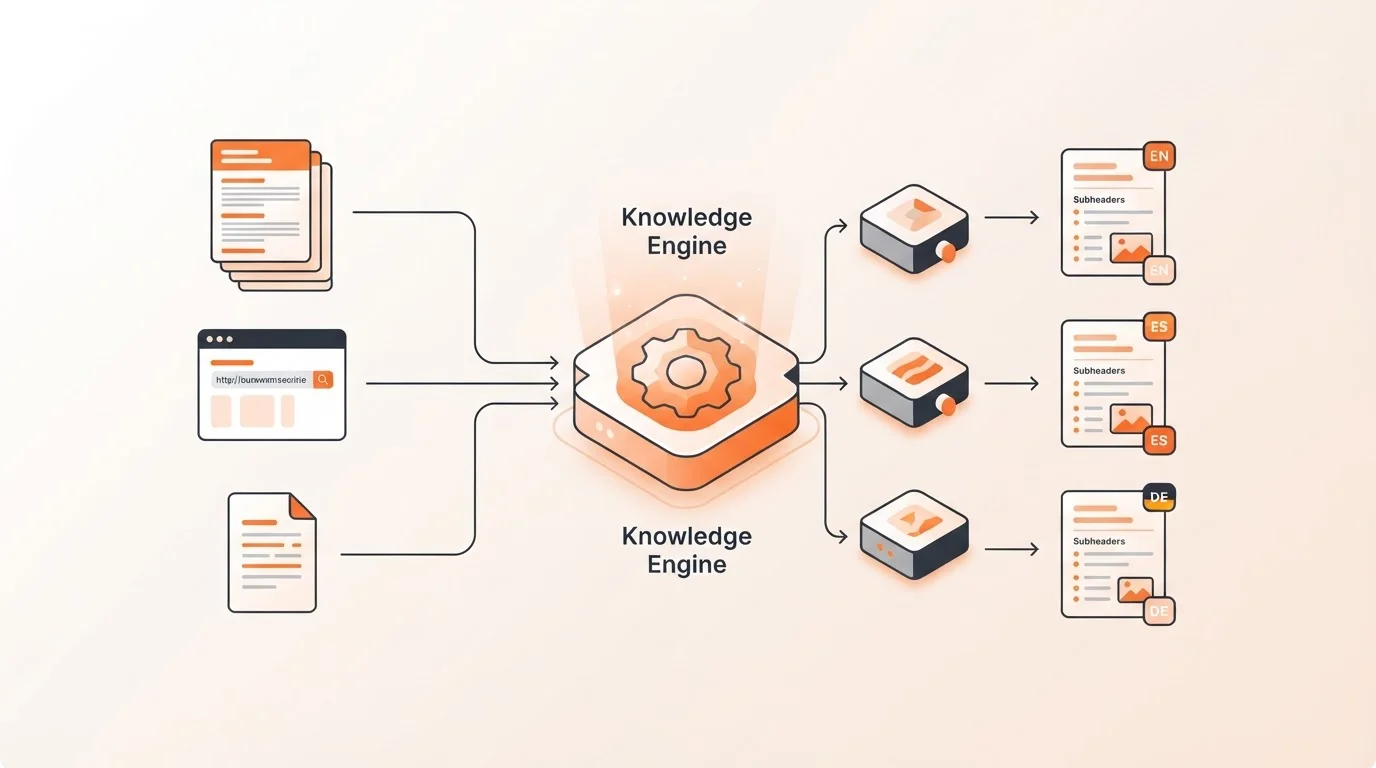
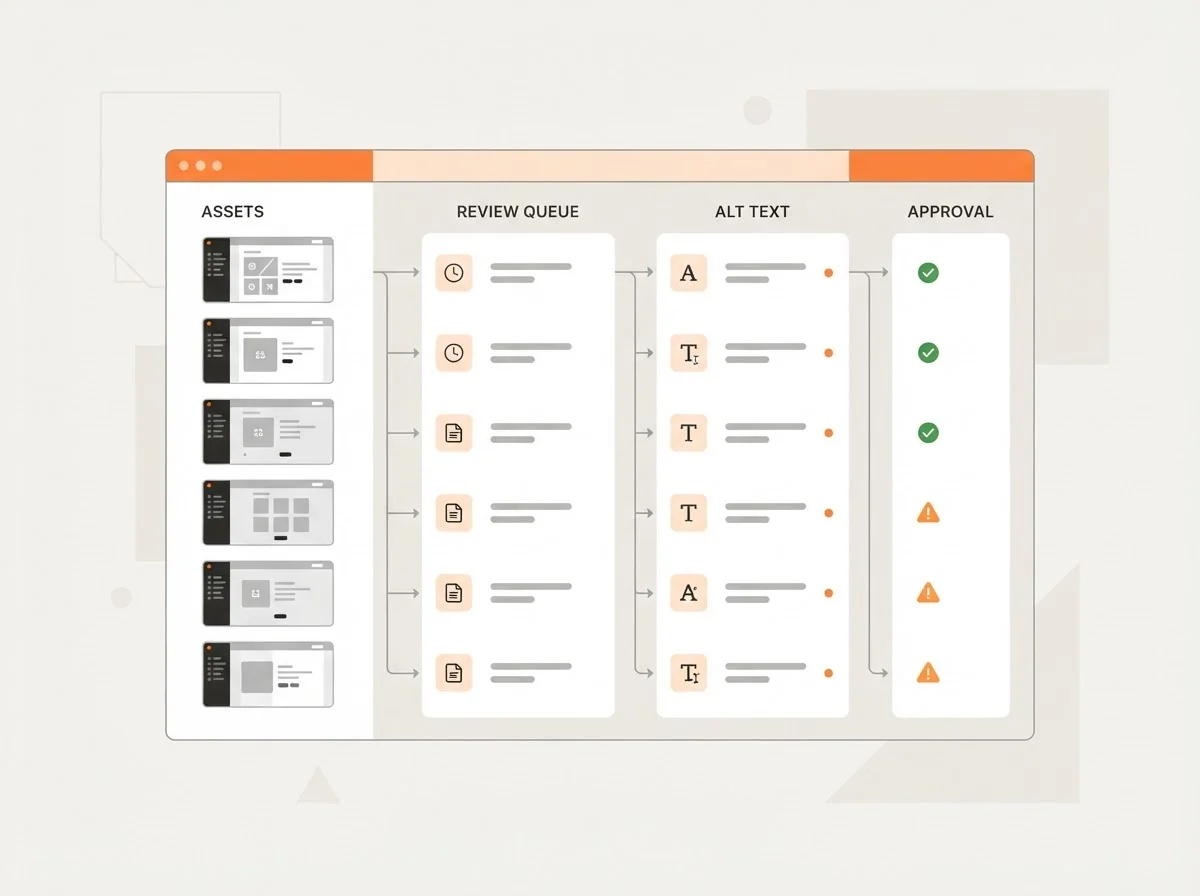
Effective geo blogging requires more than just inserting a city name into a title; it demands product-led storytelling. You want to demonstrate how your software functions within a specific geographic context. Using tools like the Blogged Knowledge Engine, founders can transform public product sources, uploaded documents, and written descriptions into the foundation for these specialized articles. This ensures the content remains technically accurate while addressing local needs. Managing the visuals for this content is equally critical. With a private SaaS product asset library, you can maintain a consistent visual brand by using review queues and visible approvals for every screenshot. This ensures every diagram or interface preview has the correct alt text and provenance for SEO, preventing the brand dilution that often occurs during rapid content scaling.
Automating the Multi-Region Lifecycle
The primary challenge for founders is sustaining research, writing, and optimization while building the company. Autonomous platforms solve this by handling the heavy lifting of SEO and publishing. Integration into your existing tech stack is vital for maintaining this momentum. For example, a WordPress AI blog publishing integration allows you to create and review articles in a specialized environment and deliver them to your site via a dedicated plugin and application password. Similarly, a Ghost AI integration can use an Admin API key to manage content delivery while the platform handles the reader experience. For those using Webflow or Next.js, these systems can even collect consented visits and configured conversions for verified articles. This eliminates manual formatting friction, allowing your organic growth to scale in the background while you focus on product development.
Frequently Asked Questions
Q: Is geo blogging relevant if my SaaS is entirely cloud-based and global?
Yes. Global products still face local competitors and regional search habits. Geo blogging helps you compete in niche searches that would otherwise go to local providers who focus solely on one region.
Q: How do I avoid being penalized for duplicate content across different regions?
Focus on local nuances rather than simple keyword swapping. Address different regional regulations, currency considerations, or local industry trends to ensure each piece provides unique value to the reader.
Q: Can I use geo blogging for international market testing?
It is one of the most cost-effective ways to test demand in a new territory. By analyzing engagement on regional content, you can validate market interest before fully localizing your entire product interface.
Geo blogging is a powerful lever for SaaS founders who need to drive growth without sacrificing their time. By moving from broad, generic SEO to a targeted geographic strategy, you can build deeper trust with niche audiences and capture high-intent leads that competitors miss. With autonomous tools handling the research and publishing lifecycle, your blog becomes a scalable engine for market expansion. This strategic focus allows you to win regional markets while staying focused on what matters most: building a world-class product.