
On this page
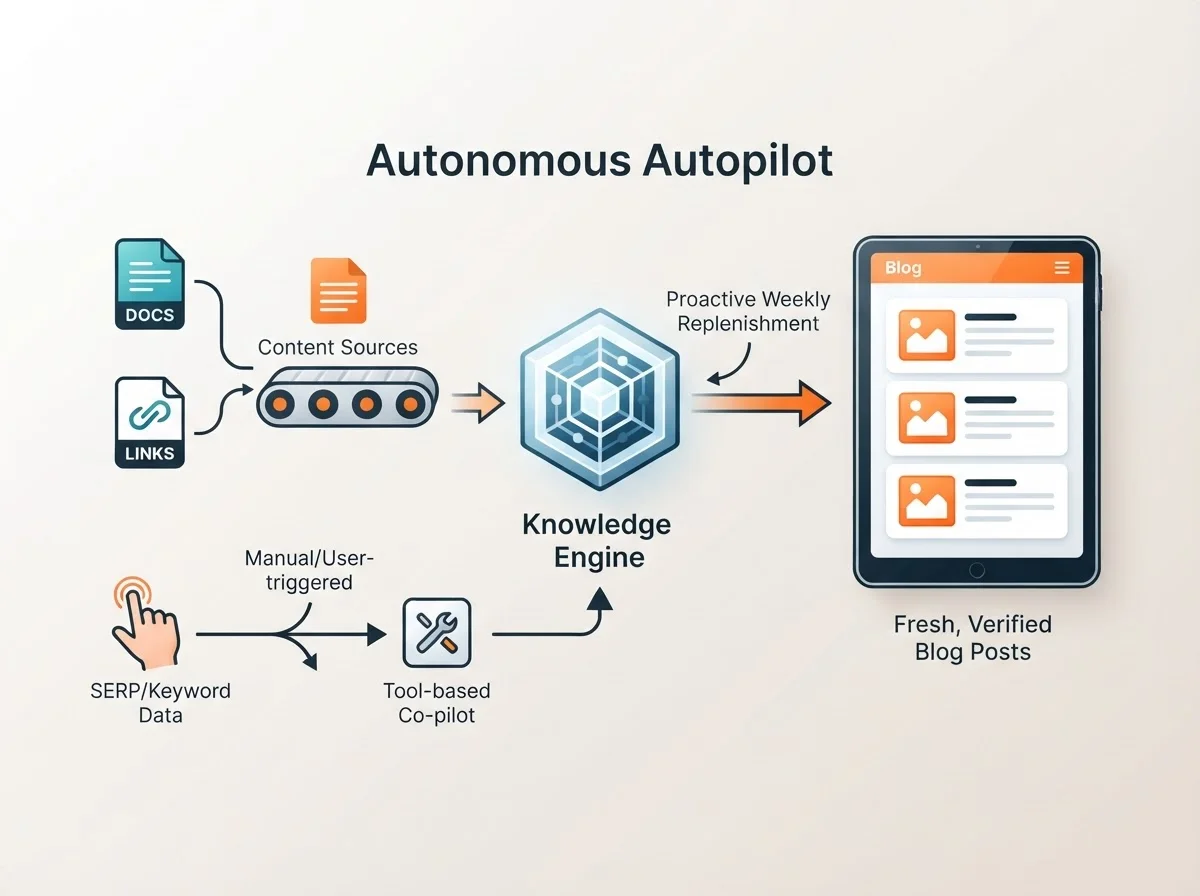
The primary difference between Scalenut and Blogged is how they manage the content lifecycle: Blogged provides an autonomous, proactive system that identifies and fixes content decay using a proprietary Knowledge Engine, while Scalenut offers a tool-based optimization cockpit where users manually trigger updates based on SEO scores. For SaaS founders, this choice represents a trade-off between total manual control and hands-off operational efficiency. While Scalenut helps you optimize what you write, Blogged maintains what you’ve already built on autopilot.
The Challenge of Content Freshness in SaaS SEO
For a SaaS company, content decay isn't just about losing search rankings; it is about providing inaccurate product information. If an article from 2023 mentions a feature that has since been sunset or a pricing model that no longer exists, it damages brand authority and user trust. Search engines prioritize up-to-date information, meaning even high-performing articles lose visibility over time if they are not regularly refreshed.
Traditional content maintenance is resource-intensive. Marketing teams often spend as much time auditing old posts as they do writing new ones. Autonomous SEO platforms aim to solve this by automating parts of the research, rewriting, and republishing phases. However, how they approach this automation determines whether your team stays stuck in a spreadsheet or stays focused on building the product.
Scalenut's Approach to Content Optimization and Refreshing

Scalenut functions as a powerful AI assistant for content creators. Its approach to freshness is centered around the Content Optimizer, a workspace that assigns a "GEO-driven SEO score" to your pages. It provides data-driven insights, but the execution remains largely in the hands of the user.
To refresh a post in Scalenut, you typically paste the URL into the optimizer, let the platform run a SERP analysis, and then follow a prioritized list of gaps. The system highlights missing sections, NLP keywords, and meta tag improvements. While Scalenut offers a "1-click auto-optimize" feature for certain on-page issues, the process is reactive. You must decide which content to audit and when to apply the AI's suggestions.
Scalenut is highly effective for teams that want granular control. If you have a dedicated SEO specialist who enjoys tweaking H-tags and word counts to beat specific competitors, Scalenut’s toolset provides the necessary visibility. However, for a founder seeking to remove content maintenance from their to-do list entirely, the manual requirement of Scalenut’s workflow may still feel like a bottleneck.
Blogged's Autonomous System for Freshness and Authority
Blogged is designed as an autonomous SEO and GEO blogging platform that treats content as a living dataset rather than a static library. Instead of waiting for a user to trigger a refresh, Blogged’s Autopilot system runs a weekly publishing and replenishment loop. This ensures that the blog remains an active, authoritative source without constant human intervention.
The core of Blogged’s freshness capability is its Knowledge Engine. SaaS founders can provide public product sources, uploaded documents, pasted links, or written product descriptions to ground the AI. When product features or pricing change, the Knowledge Engine updates its internal "facts" and can proactively generate updates for existing content. This ensures that your blog never signals "historical data" to AI discovery engines like ChatGPT or Perplexity.
Blogged also emphasizes technical freshness signals. By maintaining a consistent operational cadence and updating dateModified schemas, it forces retrieval systems to recognize content as current. This "hands-off" approach is tailored for SaaS teams that need their product-led content to scale alongside their product updates without adding headcount.
Scalenut vs. Blogged: Verified Comparison
| Comparison Area | Scalenut | Blogged |
|---|---|---|
| Primary Philosophy | Tool-based Co-pilot | Autonomous Autopilot |
| Update Mechanism | Manual/User-triggered Optimizer | Proactive Weekly Replenishment |
| Knowledge Source | SERP/Keyword Data | Proprietary Knowledge Engine |
| SaaS Pricing (Starter) | $24 per month | $99 per month |
| Integration Focus | WordPress, Semrush, Grammarly | Next.js, Ghost, WordPress, Webflow |
| Content Limits | 1000 pages/mo (tracking) | 30 posts per billing period (Starter) |
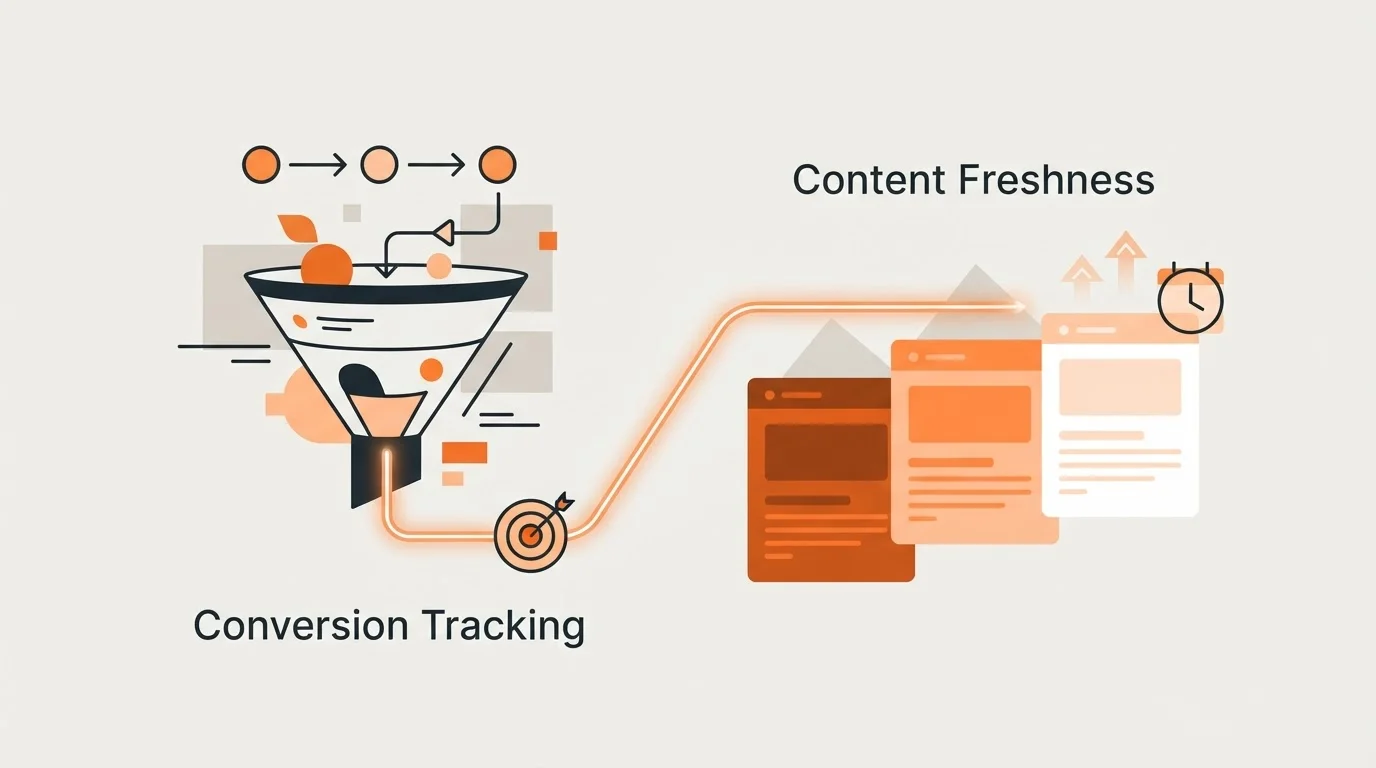
| Conversion Tracking | External tools required | Native Consent/Conversion Tracking |
Key Differentiators: Workflow and SEO Impact
The fundamental distinction lies in autonomy versus assistance. Scalenut empowers your existing writers to do better work, faster. It provides the data, but you provide the direction. For example, Scalenut lets users create successful Instagram Advertisement Campaigns by following AI-guided steps, acting as a smart writing assistant for new and existing copy.
Conversely, Blogged is built to remove the founder from the loop. Its Next.js and Ghost integrations allow for verified articles to be delivered directly to your site, collecting consented visits and conversions automatically. This link between content freshness and business outcomes is built into the platform. If you use Ghost, for instance, Blogged manages the content creation and review while Ghost renders the reader experience, creating a clean separation of concerns.
For SaaS products where information changes frequently, Blogged’s ability to pull from official documentation and private links to verify facts ensures higher accuracy than a platform relying solely on general SERP data.
Choosing the Right Platform for Your SaaS
Selecting between these platforms depends on your current stage of growth and your team's existing bandwidth.
Choose Scalenut if:
- You have a dedicated content team or SEO specialist who wants granular control over every update.
- You prefer a lower entry price point (Starter at $24/mo) and are willing to trade your time for manual optimization.
- Your primary goal is to use AI to speed up the writing of new, occasional articles rather than maintaining a large library.
Choose Blogged if:
- You are a SaaS founder who wants to focus on building product, not managing a content calendar.
- You require your content to be strictly grounded in your product's specific documentation via a Knowledge Engine.
- You need an autonomous system that proactively manages content decay and maintains high-intent, product-led content on autopilot.
- You use modern stacks like Next.js or Webflow and want native conversion tracking for your SEO efforts.
Frequently Asked Questions
Q: Can Scalenut automatically update my WordPress blog?
Scalenut integrates with WordPress, allowing you to push optimized content to your site, but the "refresh" process—auditing the old post and deciding what to change—is a user-driven task inside the Content Optimizer.
Q: Does Blogged require me to review every post?
No. You can choose between Assisted review (where you approve posts) or Full autonomous publishing, where eligible posts are published to your CMS based on your predefined strategy and governance rules.
Q: How does the Knowledge Engine handle private documents?
Blogged’s Knowledge Engine allows you to upload documents or paste links that are kept distinct from public sources, ensuring your autonomous content is grounded in your actual product specs without exposing private files to the public.
Q: Is Scalenut's $24/mo plan sufficient for a growing SaaS?
The Scalenut Starter plan is a cost-effective entry point, but growing teams often require the Professional plan at $80/mo to access more advanced features like the full Content Optimizer and higher limit tracking.
Get practical updates on scalenut vs blogged content freshness
Receive new articles and practical insights by email.
Final Verdict
Sustaining a high-growth SaaS blog requires more than just publishing volume; it requires sustained relevance. Scalenut is an excellent choice for teams that want a sophisticated "cockpit" to manually navigate their SEO strategy with AI assistance. However, for the founder who needs their blog to run as a background process—turning product knowledge into discoverable, updated, and high-converting content—Blogged offers a superior autonomous alternative. By automating the maintenance of product-led content, Blogged ensures your organic growth engine never goes stale.