
On this page
For SaaS founders, the bottleneck to organic growth isn't a lack of ideas—it’s a lack of time. Maintaining a consistent publishing schedule while shipping features and managing a team often leads to a stale blog and missed search opportunities. Autonomous blogging solves this by using automated systems to research, write, and publish high-quality content with minimal human intervention.
Unlike traditional AI writing assistants that simply generate text, an autonomous platform like Blogged manages the entire lifecycle of a post. It transforms your unique product knowledge into discoverable content designed to rank in both traditional search engines (SEO) and the emerging generative engine landscape (GEO). By understanding the core features and workflows of these platforms, you can determine if an autonomous approach is the right fit for your growth stage.
The Core Features of Autonomous Blogging Platforms
Modern autonomous blogging platforms are built to act as a complete content department. They don't just fill a blank page; they manage the architecture that makes content perform. For a SaaS founder, this means the platform must handle technical SEO, internal linking, and asset management automatically.
Key features typically include:
- Knowledge Base Integration: The ability to ingest product documentation, technical specs, and founder insights to ensure the content is product-led rather than generic.
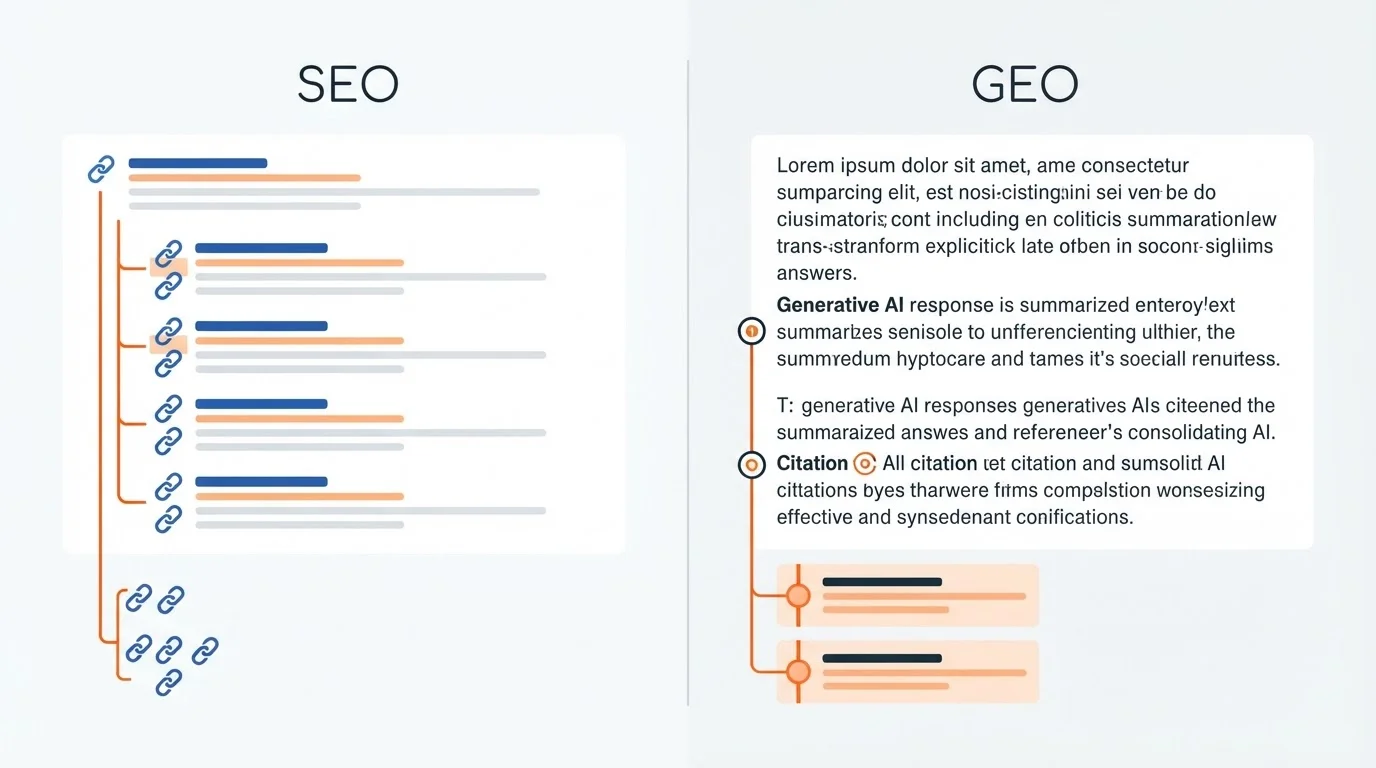
- SEO and GEO Optimization: Beyond simple keyword density, this includes structuring data for AI search engines like Perplexity and ChatGPT to ensure your brand is cited as a source.
- Smart Internal Linking: Automatically connecting new posts to relevant product pages and existing articles to build topical authority and improve crawlability.
- Automated Asset Management: Handling the generation or selection of images and the formatting of meta tags without manual input.
The Autonomous Workflow: From Knowledge to Visibility
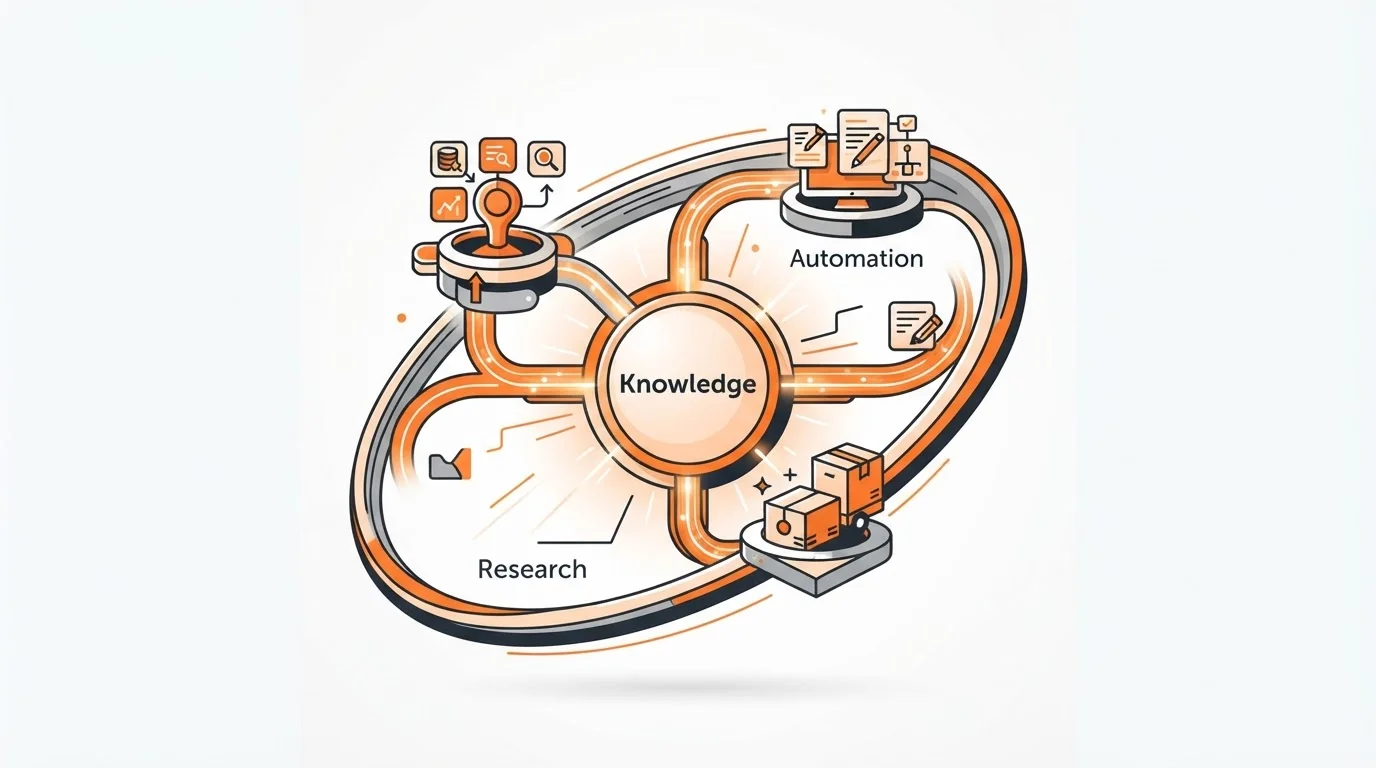
The transition from "manual" to "autonomous" shifts the founder's role from writer to curator. Instead of staring at a blinking cursor, you oversee a system that processes your product's DNA into a marketing engine. This workflow is typically divided into three distinct phases.
1. Research and Strategic Planning
The process begins by defining the parameters. You provide the platform with your target audience, core keywords, and product knowledge. Tools like Blogged use this foundation to perform competitor analysis and identify gaps in your current content. The system then generates a content calendar designed to build topical clusters, ensuring that every post serves a strategic purpose rather than being a standalone piece of filler.
2. Writing and Multi-Layer Optimization
Once the plan is set, the system drafts the articles. This isn't just a single pass; advanced platforms use a multi-agent architecture to research, outline, and refine the text. This stage incorporates GEO (Generative Engine Optimization), which focuses on making the content easy for LLMs to parse, reference, and cite. This ensures your SaaS is the answer when users ask AI tools for recommendations in your niche.
3. Publishing and Interlinking
After a quick review, the platform handles the final mile. It optimizes the meta descriptions, compresses images, and publishes directly to your blog site. Crucially, it manages internal links on autopilot. By linking new articles to your high-converting product pages, the system distributes link equity and guides readers deeper into your sales funnel without you ever touching the CMS.
Evaluating Product Fit: Is Autonomy Right for You?
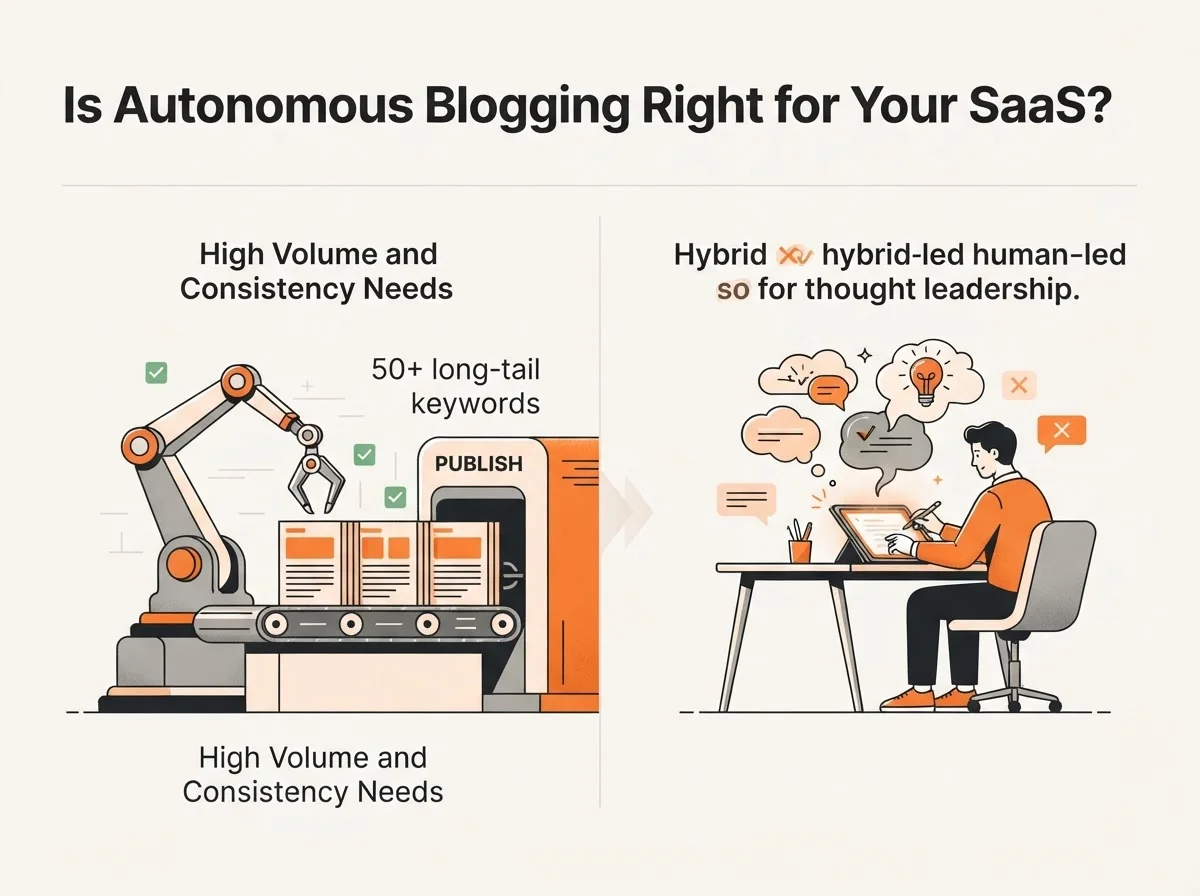
Autonomous blogging is a high-leverage tool, but it is not a universal solution for every brand at every stage. Determining product fit depends on your current volume needs and the complexity of your subject matter.
High Volume and Consistency Needs: If your goal is to dominate 50+ long-tail keywords or maintain a cadence of three posts per week while your team is focused on dev, an autonomous platform provides the necessary scale. It prevents the "content debt" that occurs when you stop publishing to focus on a product launch.
SEO vs. Thought Leadership: Autonomous systems excel at informational content, product-led SEO, and "how-to" guides. However, for highly original, opinion-heavy thought leadership that requires new-to-the-world data or personal anecdotes, you will still need significant human oversight. The best-fit scenario is often a hybrid approach: use autonomy for the bulk of your SEO traffic while saving your creative energy for your most controversial or original ideas.
The ROI of Content Automation
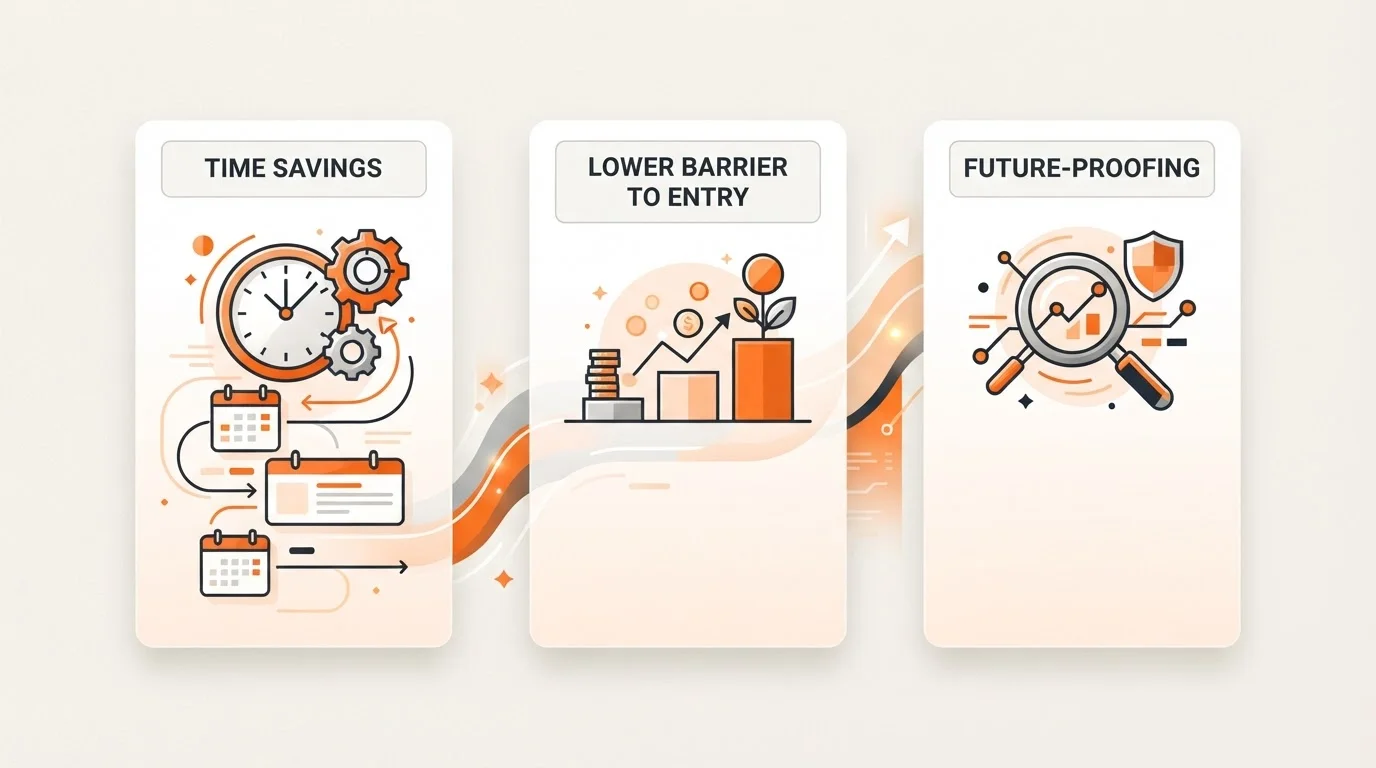
For many founders, the cost-benefit analysis favors automation when comparing it to the expense of a specialized SEO agency or a full-time content hire.
- Time Savings: By automating the operational tasks of research and formatting, founders can reclaim up to 10–15 hours per week.
- Lower Barrier to Entry: Startups can begin ranking for competitive keywords early in their lifecycle without a five-figure marketing budget.
- Future-Proofing: As search evolves toward AI-driven answers, having a platform that natively supports GEO ensures you don't have to retroactively optimize hundreds of posts later.
Frequently Asked Questions
Q: Is autonomous blogging safe for Google rankings?
Yes, provided the content is high-quality and helpful. Google's guidance focuses on the usefulness of content rather than its method of creation. Autonomous platforms that prioritize product-led insights and proper structure tend to perform well.
Q: What is the difference between SEO and GEO?
SEO (Search Engine Optimization) focuses on ranking at the top of traditional search results. GEO (Generative Engine Optimization) focuses on being the cited source when AI engines like ChatGPT or Perplexity synthesize an answer for a user.
Q: Does an autonomous blog require any human oversight?
While the system handles the heavy lifting, we recommend a final review to ensure the tone perfectly matches your brand voice and that any specific technical nuances are accurate.
Q: Can I connect it to my existing website?
Most autonomous blogging platforms offer direct integrations with popular CMS options like WordPress or provide their own optimized blog hosting layer.
Autonomous blogging is transforming how SaaS companies build authority. By moving away from manual drafting and toward a system-led approach, founders can ensure their product remains discoverable in both traditional and AI search environments. If you are ready to stop managing writers and start managing growth, exploring an autonomous solution like Blogged is the logical next step.
Get practical updates on autonomous blogging features and product fit
Receive new articles and practical insights by email.