
On this page
Building a business-to-business (B2B) software-as-a-service (SaaS) platform requires intense focus on technical execution, product architecture, and customer success. Yet, to survive in a competitive marketplace, early-stage and growing software companies must also build a reliable organic acquisition engine. For many lean engineering and product teams, traditional content marketing quickly becomes a profound operational bottleneck. The fundamental challenge is not merely identifying target keywords; it is the sheer difficulty of maintaining consistent research, writing, optimization, and publishing every single week while still developing the core product.
Traditional content production relies heavily on manual hours, meaning search engines receive updates too infrequently to establish topical authority in competitive technical niches. Shifting from a manual human writing workflow to an autonomous blogging framework fundamentally alters this dynamic. By utilizing structured product context and automated distribution networks, software companies can achieve a critical advantage: a saas faster seo ranking improvement. This strategic guide breaks down how automating the content lifecycle eliminates the traditional production bottleneck, structures engineering context for modern search engines, and accelerates keyword ranking velocity.
The Search Engine Optimization Bottleneck in Technical Teams
For most B2B SaaS organizations, relying entirely on manual content creation introduces massive latency into growth marketing initiatives. Creating a technically accurate, product-led article typically demands extensive keyword mapping, long hours of drafting, strategic internal link building, and manual entry into a Content Management System (CMS). When engineering priorities shift or critical deployment deadlines approach, the corporate blog is almost always the first asset to experience stagnation.
This inconsistency leads directly to specific optimization challenges that hinder visibility:
- Sub-optimal Content Velocity: Search engines reward domains that consistently display depth and expertise across related topic areas. Low publication frequency means it takes a long time to build the breadth of topical coverage required to compete for high-intent queries.
- Neglected Interlinking Networks: Internal hyperlinking passes page authority from existing pages to new articles, signaling clear structural relevance to crawling search bots. In manual workflows, updating historical articles to include links to new content is a tedious step that is frequently abandoned.
- Stale Asset Depreciation: Search queries and product features evolve over time. When older articles sit unrevised, their topical accuracy drops, resulting in a slow decay of existing search visibility.
To see a faster SEO ranking improvement, companies must transition away from human-dependent drafting cycles and instead implement systematic automation across the entire content lifecycle.
Transitioning to Autonomous Workflows with Blogged
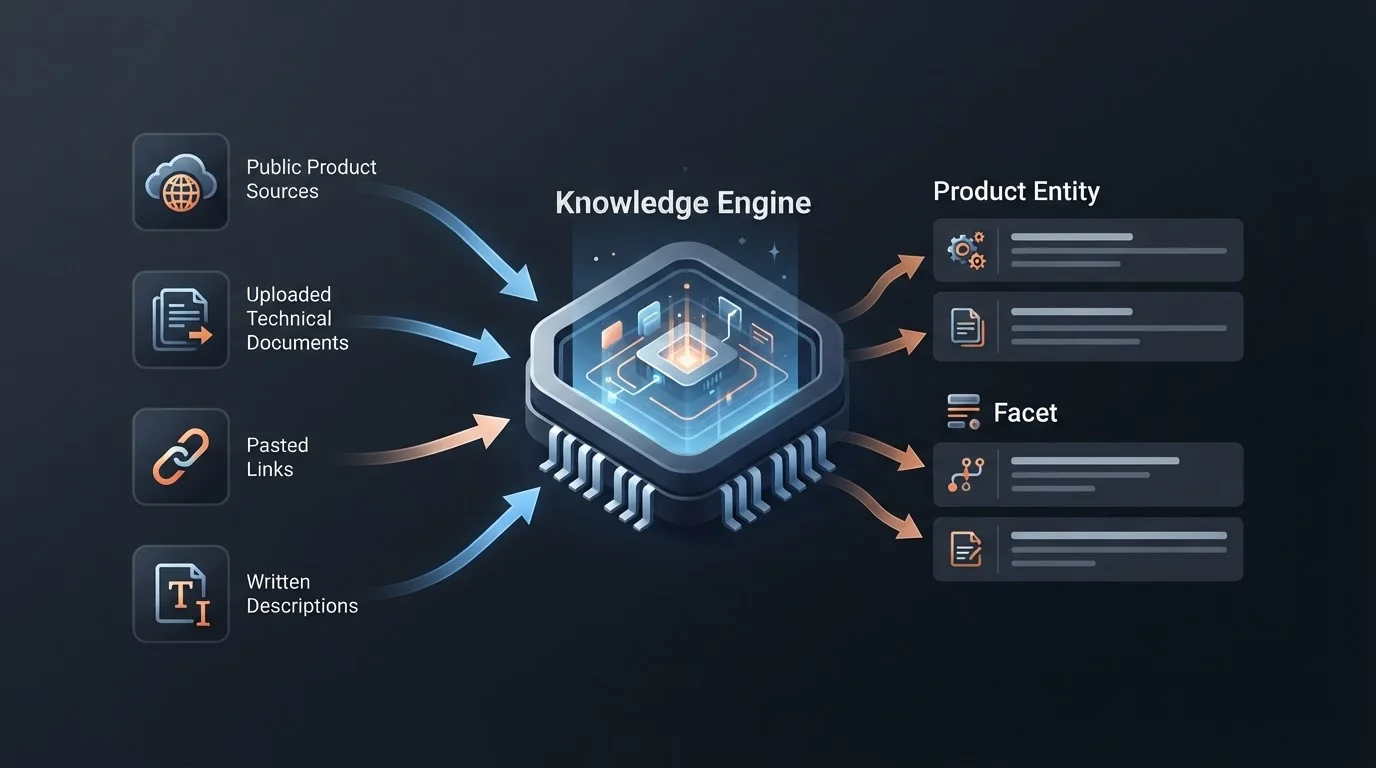
To build a high-performing organic growth engine without expanding marketing overhead, founders are turning to autonomous solutions like Blogged. The platform runs your SaaS blog on autopilot, executing research, writing, search engine optimization (SEO), generative engine optimization (GEO), internal linking, and publishing for growth. This technology shifts the operational focus from a writing-first approach to a knowledge-first approach.
Instead of assigning manual briefs to freelance writers who may lack structural knowledge of your codebase, software companies utilize the Blogged Knowledge Engine. This capability allows technical teams to supply public product sources, uploaded documents, pasted links, or a written product description directly to the platform. By organizing facts systematically by product entity and facet, the system ensures that every piece of published content remains technically grounded in actual product capabilities rather than generic industry text.
Seamless CMS Architecture Integration
A common operational roadblock when adopting marketing automation is the friction of a website migration or a custom backend rebuild. Blogged avoids this overhead entirely by integrating natively with standard web platforms. For instance, the platform features a dedicated WordPress AI Blog Publishing integration. This allows users to create and review articles completely within Blogged and then deliver them directly to a self-hosted WordPress website.
Connecting to a self-hosted WordPress site requires zero custom code, utilizing the native Blogged Publishing plugin alongside an application password. This preserves existing design frameworks and allows software developers to keep their core infrastructure completely intact while automating production.
Extensible Integration Options for Modern Stacks
For software companies that prefer other content frameworks, alternative publishing connections provide identical functionality. The platform's Ghost AI Blog Publishing integration manages content creation and review internally while Ghost renders the reader experience. Establishing this connection involves creating a custom integration inside Ghost, copying its Admin API key, and verifying the Ghost connection in Blogged.
Similar integrations exist for Webflow and Next.js platforms. Furthermore, teams with highly custom or headless tech stacks can utilize the Signed Webhook and Content API for AI Blog Publishing. Regardless of the integration choice, the platform allows companies to collect consented visits and track configured conversions for every single verified article, linking indexing progress directly to user engagement data.
How Automated Indexing and Interlinking Drive Ranking Velocity
Achieving a faster SEO ranking improvement requires both strategic content volume and precise structural coordination. Search engine crawlers index new URLs much more efficiently when they can follow a well-mapped web of relevant internal hyperlinking. Blogged executes automated optimization by inserting contextual links across your blog directory dynamically, ensuring older high-authority pages naturally pass ranking equity down to newly generated product-led content.
Quality assurance remains central to maintaining high search relevance. The platform incorporates a built-in revision feature, including 3 revisions per article on its standard pricing tiers. This capability gives product teams the flexibility to edit, update, or refine drafts based on feature updates or product capability shifts. This iterative maintenance ensures that your content footprint stays accurate, fresh, and fully aligned with modern search engine evaluation guidelines.
Hypothetical Case Workflow: Streamlining an Engineering Blog
To visualize how these features function in a live software environment, consider a hypothetical B2B SaaS setup named GrowthEngine. Managing an optimization suite with a lean engineering team, GrowthEngine initially struggled to publish more than one article per month due to code sprint pressures. Their search impressions remained flat, and indexing new product landing pages took considerable time.
By adopting an autonomous content planning model, the hypothetical team could optimize their strategy through a structured workflow:
- Knowledge Base Training: The team uploads their product documentation, feature release logs, and user onboarding guides directly into the central platform.
- Queue Configuration: Using the platform's Full Autopilot feature, they establish a durable content plan. They select their preferred publishing cadence and allow the autopilot mechanism to continuously refill a short topic queue from pre-approved content directions.
- Cross-Departmental Review: Because every paid plan includes unlimited team seats, GrowthEngine invites both technical product managers and customer success leads to collaborate. This allows multiple stakeholders to audit drafts and check technical specifications simultaneously without paying extra platform seat fees.
- Automated Publishing: Approved articles move instantly to their CMS via secure connections, immediately updating their internal link architectures.
Through this systematic approach, the workflow demonstrates how a technical team can eliminate manual content debt, scale their publishing velocity, and successfully secure faster keyword validation across multiple long-tail queries without dedicating engineering hours to writing.
Strategic Advantages: Reclaiming Developer Time for Core Product
The direct return on investment for an autonomous blogging architecture extends far beyond traffic acquisition; it heavily impacts internal developer resource allocation. When early-stage founders and engineers spend substantial time drafting blog posts, they incur a heavy opportunity cost on their product roadmap. Offloading keyword mapping, semantic modeling, and optimization tasks to an autonomous engine allows technical talent to focus entirely on core feature releases that improve user retention.
Furthermore, automation shifts your marketing strategy from reactive content creation to data-driven strategic iteration. Rather than spending valuable cycles managing external writing agencies, internal teams focus on analyzing on-site performance. Users can track Search Console performance, homepage engagement, on-site searches, CTA and lead outcomes, overall lead growth, and direct reader feedback directly inside the system. This steady flow of first-party interaction data allows founders to continually refine their product positioning while search visibility grows independently in the background.
Frequently Asked Questions
Q: How do autonomous blogging platforms connect to an existing SaaS CMS?
Platforms connect via native integrations or secure application endpoints. For instance, Blogged connects to self-hosted WordPress using the Blogged Publishing plugin and an application password. It also supports Ghost using an Admin API key, alongside native Webflow, Next.js, and custom API connections.
Q: Can product managers review content before it goes live to ensure accuracy?
Yes. The system allows users to create and review articles within the platform before publication. Additionally, every paid plan includes unlimited team seats, allowing product managers, engineers, and marketers to participate in the review and approval process without incurring extra fees.
Q: How does the system ensure the content is tailored to specific product features?
The platform relies on a product knowledge base rather than scraping generic internet text. By providing public product sources, uploaded documents, pasted links, or written descriptions, the system organizes facts by product entity and facet to ensure technical precision.
Q: Does the platform support editing or revising generated drafts?
Yes. The platform includes a revision system to help teams refine content quality and align it with search intent, offering 3 revisions per article on its standard pricing plans.
Q: What analytics can be monitored within an autonomous blogging setup?
Users can actively track Search Console performance, homepage engagement, on-site searches, CTA and lead outcomes, lead growth, and reader feedback directly inside the interface to measure exact product-led content performance.
Sustaining a manual content engine while simultaneously scaling a software platform creates an operational bottleneck that slows down organic traffic growth. Transitioning to an autonomous blogging framework allows SaaS founders to transform internal product documentation into discoverable, highly optimized content that ranks efficiently. By integrating deeply with standard CMS tools and leveraging structured knowledge engines, technical teams can achieve a faster SEO ranking improvement while keeping their core focus exactly where it belongs: building an exceptional product.
If you are ready to stop managing writing queues and start scaling your organic search presence on autopilot, explore how automation can change your growth trajectory. Start Blogged Free today to begin driving product-led growth through autonomous SEO.
Get practical updates on saas faster seo ranking improvement
Receive new articles and practical insights by email.